


Comparison of Investing in Houses, Apartments, and Land
Property investment remains one of the most popular ways to build long-term wealth. Among the major options houses, apartments, and land each offers unique advantages, risks, and potential returns. Understanding these differences is essential for making a strategic investment decision.
1. Houses (Landed Property)
Advantages:
High demand: Houses are often preferred by families, leading to stable long-term demand. Capital appreciation: Land value increases over time, which generally boosts the overall property price. Rental stability: Houses can generate steady rental income, especially in suburban or family-friendly areas. Flexibility for renovation: Owners can renovate or expand the building to increase value.
Disadvantages:
Higher maintenance costs: Larger repairs (roofing, plumbing, exterior work) can be expensive. Higher purchase price: Houses usually require larger upfront capital compared to apartments. Location dependent: Houses in less strategic areas may be harder to rent out. Suitable for: Long-term investors looking for stable capital growth and consistent rental income.
2. Apartments
Advantages:
Lower entry cost: Apartments are generally more affordable than houses. High rental demand: Especially in urban centers with young professionals, students, or expatriates. Low maintenance burden: Building management handles most maintenance and security. Amenities: Facilities like gyms, pools, and security can increase rental attractiveness.
Disadvantages:
Service charges: Monthly maintenance or service fees reduce net rental income. Limited capital appreciation: Apartment values grow slower than landed houses because the land portion is small. Depreciation risk: Buildings age, and older units can lose appeal unless renovated. Strata regulations: Owners must follow building rules and have less control over renovations. Suitable for: Investors seeking affordable entry, high rental yield, and low maintenance involvement.
3. Land
Advantages:
Strong capital appreciation: Land tends to increase significantly in value, especially in developing areas. Low maintenance: No building means no maintenance costs. Flexibility of use: Can be developed, sold, or leased depending on market conditions. Scarcity factor: Land becomes more valuable over time due to limited supply.
Disadvantages:
No rental income: Unless used for commercial leasing, land does not generate immediate cash flow. Liquidity challenge: Selling land can take longer compared to houses or apartments. Risk of land disputes: Requires careful legal checks, especially regarding ownership and zoning. Infrastructure dependency: Value is highly influenced by road access, utilities, and nearby development. Suitable for: Investors focused on long-term capital gain and willing to wait for area development.
In Conclusion, there is no single “best” property investment option; the right choice depends on your financial goals, capital availability, and risk preference. Choose a house if you want strong appreciation and stable rental income. Choose an apartment if you prefer a more affordable, low-maintenance investment with fast rental turnover. Choose land if your priority is long-term capital growth and you don't need immediate cash flow. Understanding these differences will help you craft a balanced property portfolio and make informed investment decisions.
Date: April 01, 2026
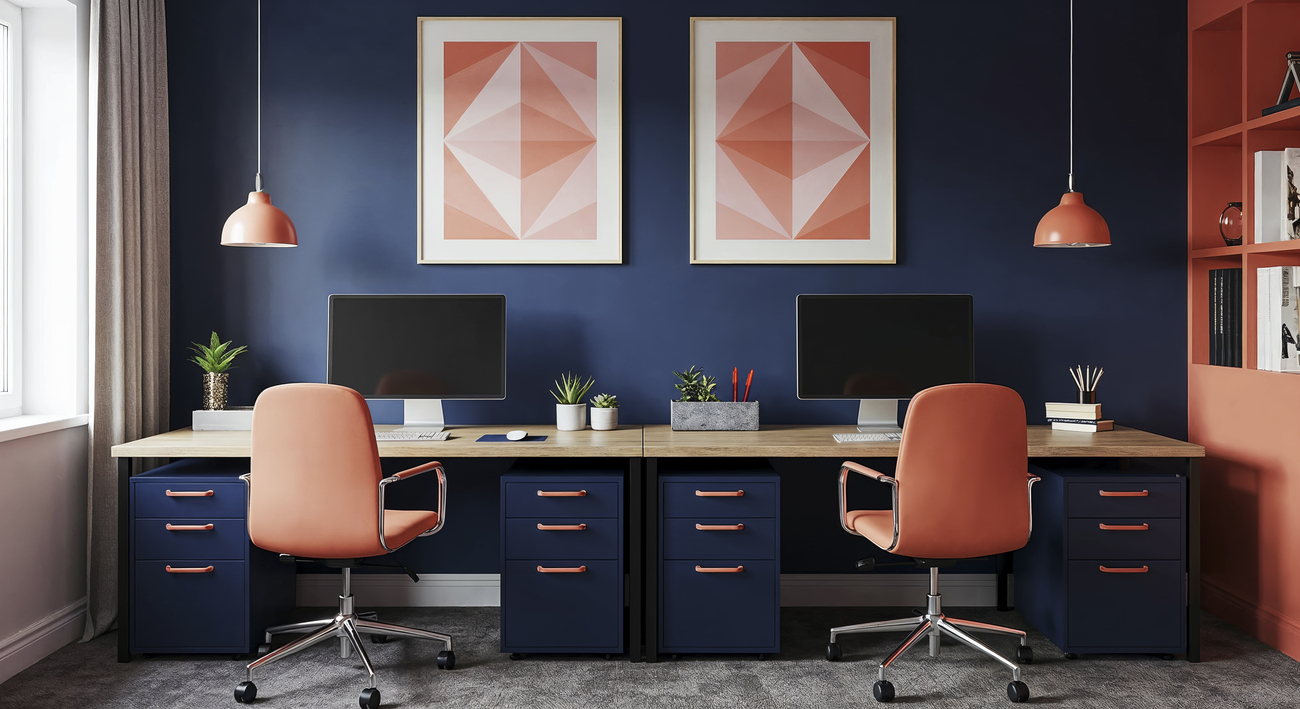
In recent years, the way people live, work, and interact within their homes has undergone a significant transformation. Driven by technological advancements, remote work trends, and evolving family dynamics, the concept of a home is no longer limited to a place for rest. Today, homes are expected to ...
Date: April 02, 2026
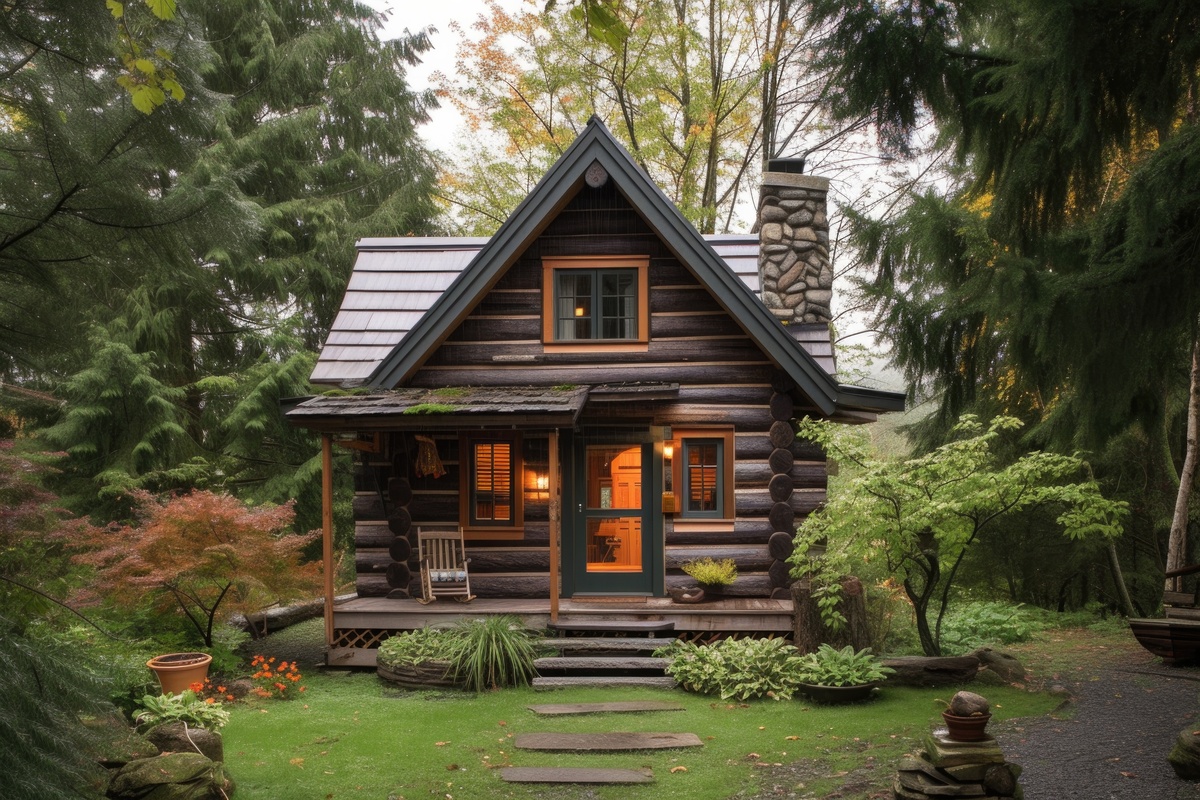
In recent years, a noticeable shift has occurred in the way people design and inhabit their living spaces. Across cities and even suburban areas, homes are becoming smaller. This trend, often referred to as compact living, reflects changing economic realities, evolving lifestyles, and growing enviro ...
Date: April 03, 2026
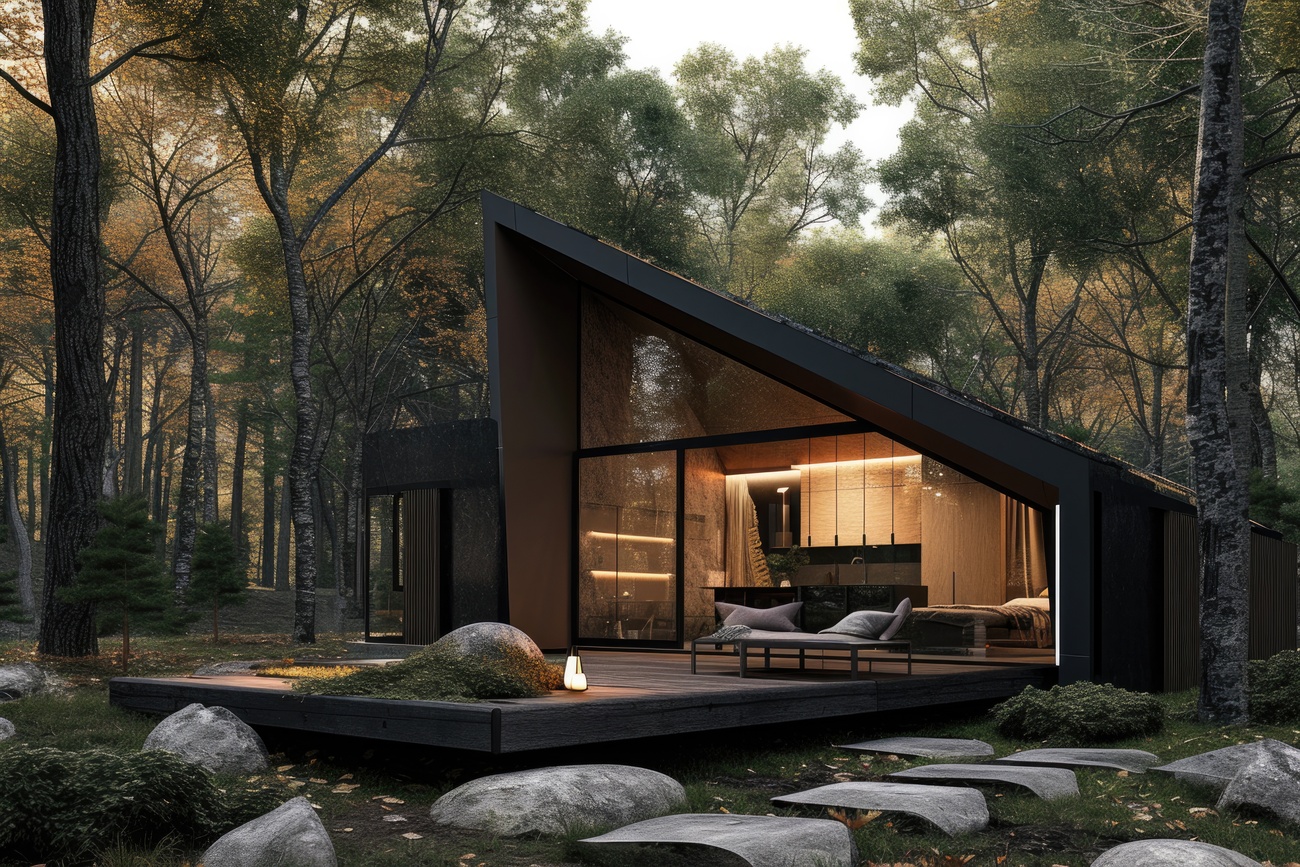
In recent years, the housing market has undergone significant transformation, giving rise to innovative models that respond to shifting economic realities and lifestyle preferences. One of the most notable developments is the “Build-to-Rent” (BTR) trend a housing concept where properties are ...
Date: March 21, 2026
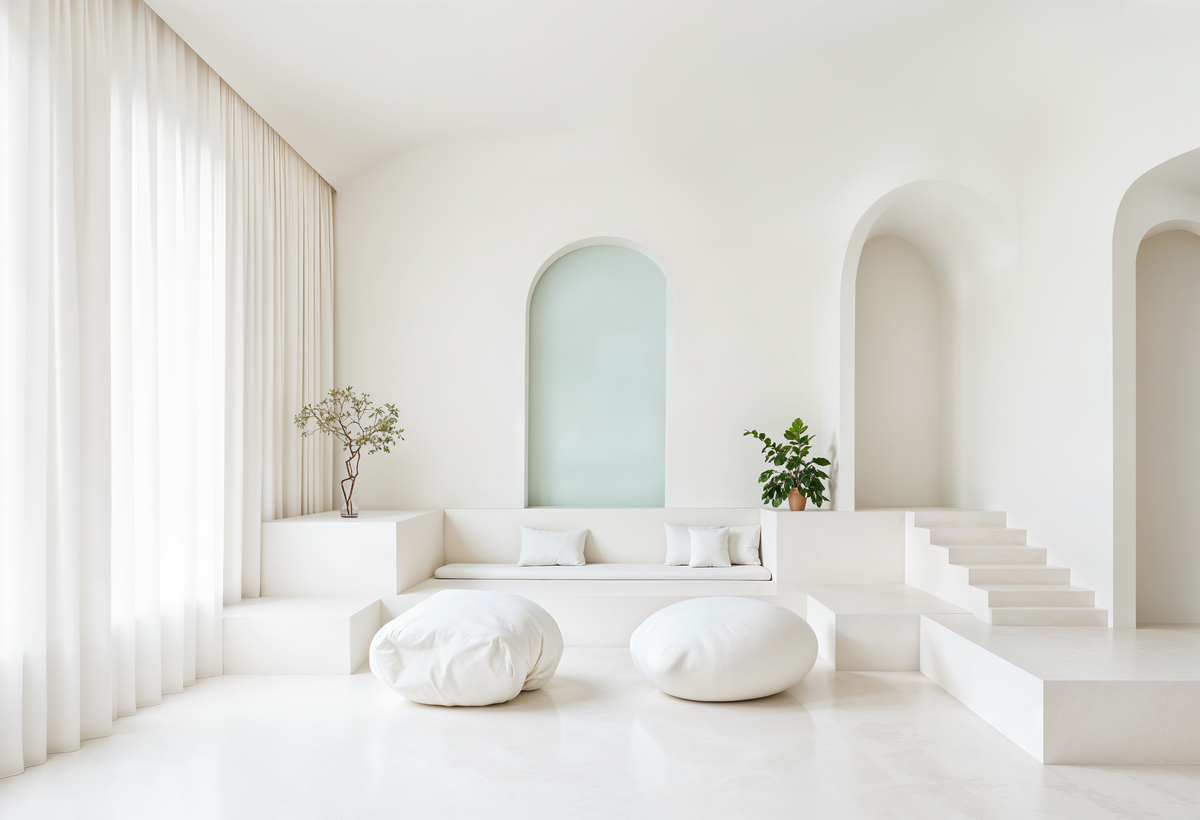
Choosing the right paint color can dramatically change how a house looks and feels. Even with simple furniture and décor, the right color palette can make a home appear elegant, luxurious, and high-end. Many interior designers agree that certain colors have a natural ability to create a sophisticat ...

Date: March 22, 2026
A minimalist living room is all about simplicity, functionality, and elegance. By focusing on clean lines, neutral colors, and carefully selected furniture, you can create a space that feels calm, modern, and comfortable. Minimalist design doesn’t mean empty or boring it means choosing items inten ...
Ala Land Bali — a magical place for the real you
BECOME PART OF THE HISTORY Share your contact details, and our manager will reach out
with full project details