


Facing Vacant Properties: Strategies for Investors to Survive
Vacant properties are one of the most challenging realities faced by real estate investors. Whether caused by economic downturns, oversupply, poor location choices, or shifting tenant preferences, empty units can quickly erode cash flow and profitability. However, vacant properties do not have to signal failure. With the right strategies, investors can minimize losses, stabilize income, and even turn vacancies into long-term opportunities.
Understanding the Impact of Vacancy
A vacant property generates expenses without producing income. Mortgage payments, property taxes, maintenance costs, utilities, and security expenses continue regardless of occupancy. Prolonged vacancies can also lead to property deterioration, vandalism, or a decline in neighborhood perception. Understanding these risks is the first step toward building an effective response strategy.
Improving Property Appeal
One of the most direct ways to reduce vacancy is to enhance the property’s attractiveness. This may include minor renovations, fresh paint, improved lighting, or better landscaping. Modern tenants often value functional layouts, energy efficiency, and reliable internet connectivity. Small upgrades that align with market preferences can significantly increase demand without requiring excessive capital.
Adjusting Pricing and Lease Terms
Rigid pricing is a common cause of prolonged vacancies. Investors should regularly analyze local market conditions and compare rental rates with similar properties. Offering competitive pricing, flexible lease terms, or limited-time incentives such as discounted rent for the first few months can attract tenants more quickly while preserving long-term income potential.
Expanding the Target Market
Vacancies sometimes occur because a property is marketed too narrowly. Investors can explore alternative tenant segments, such as short-term renters, co-living arrangements, students, or small businesses, depending on zoning regulations. Diversifying the target market reduces reliance on a single tenant profile and improves resilience during market fluctuations.
Strengthening Marketing Strategies
Effective marketing plays a crucial role in reducing vacancy periods. High-quality photos, virtual tours, and clear property descriptions increase visibility and interest. Listing properties across multiple platforms and leveraging social media can further expand reach. Prompt responses to inquiries and professional tenant screening also create a positive first impression.
Managing Costs During Vacancy
While waiting for tenants, investors should actively control expenses. This includes negotiating with service providers, postponing non-essential upgrades, and ensuring regular maintenance to prevent costly repairs later. Proper budgeting and maintaining a reserve fund can help investors withstand temporary income gaps without financial distress.
Repositioning the Asset
In some cases, persistent vacancy indicates a deeper issue with the property’s positioning. Investors may need to consider repurposing the asset for example, converting residential units into office spaces, storage facilities, or mixed-use properties. Strategic repositioning can unlock new revenue streams and better align the property with market demand.
Vacant properties are an unavoidable part of real estate investing, but they do not have to threaten long-term success. By improving property appeal, adjusting pricing strategies, expanding target markets, and managing costs effectively, investors can navigate vacancy periods with greater confidence. Ultimately, those who approach vacant properties with flexibility, data-driven decisions, and a long-term perspective are better positioned to survive challenges and achieve sustainable growth in the real estate market.

Date: April 01, 2026
In recent years, the way people live, work, and interact within their homes has undergone a significant transformation. Driven by technological advancements, remote work trends, and evolving family dynamics, the concept of a home is no longer limited to a place for rest. Today, homes are expected to ...
Date: April 02, 2026
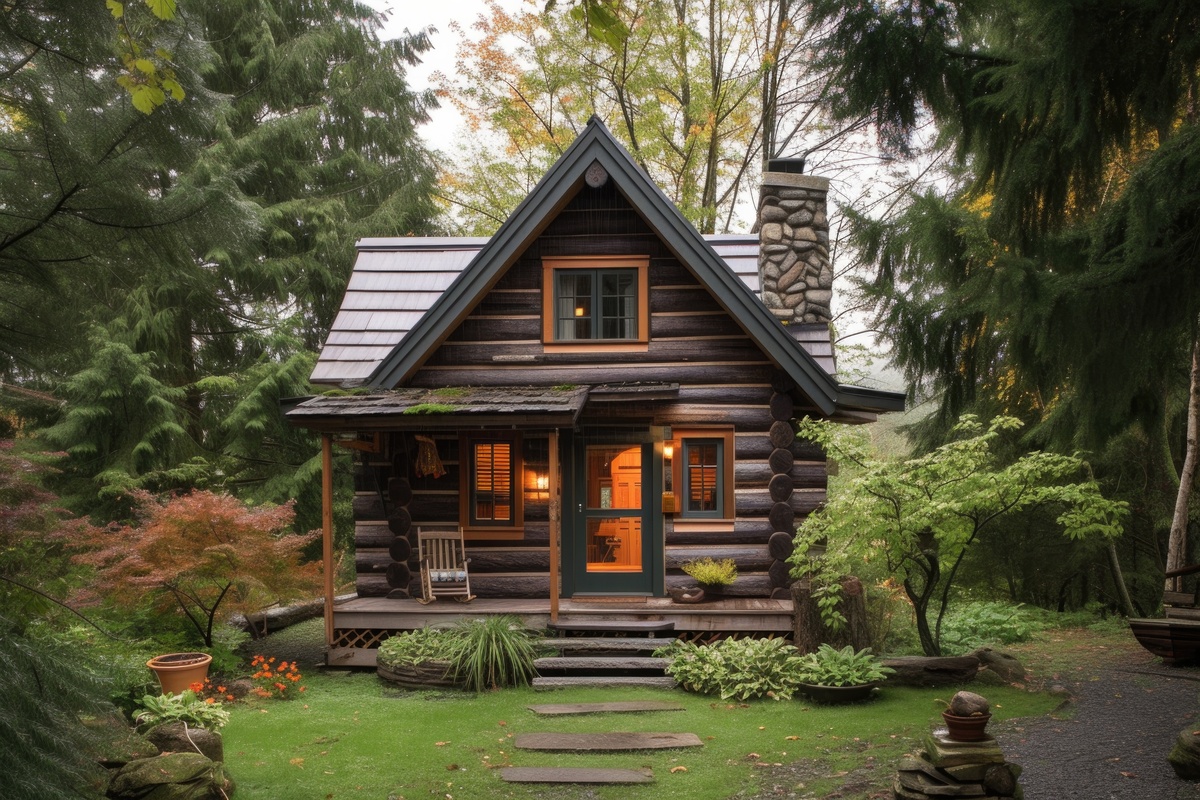
In recent years, a noticeable shift has occurred in the way people design and inhabit their living spaces. Across cities and even suburban areas, homes are becoming smaller. This trend, often referred to as compact living, reflects changing economic realities, evolving lifestyles, and growing enviro ...

Date: April 03, 2026
In recent years, the housing market has undergone significant transformation, giving rise to innovative models that respond to shifting economic realities and lifestyle preferences. One of the most notable developments is the “Build-to-Rent” (BTR) trend a housing concept where properties are ...

Date: March 21, 2026
Choosing the right paint color can dramatically change how a house looks and feels. Even with simple furniture and décor, the right color palette can make a home appear elegant, luxurious, and high-end. Many interior designers agree that certain colors have a natural ability to create a sophisticat ...

Date: March 22, 2026
A minimalist living room is all about simplicity, functionality, and elegance. By focusing on clean lines, neutral colors, and carefully selected furniture, you can create a space that feels calm, modern, and comfortable. Minimalist design doesn’t mean empty or boring it means choosing items inten ...
Ala Land Bali — a magical place for the real you
BECOME PART OF THE HISTORY Share your contact details, and our manager will reach out
with full project details