


Hidden Costs When Buying a House That Many People Don’t Know
Buying a house is one of the biggest financial decisions most people will ever make. While many buyers focus on the down payment and monthly mortgage, there are several hidden costs that often catch them by surprise. Understanding these expenses can help homebuyers prepare more accurately and avoid unexpected financial stress.
1. Property Taxes
Property taxes vary depending on the location, but they can add a significant amount to your annual housing expenses. Some buyers only calculate mortgage payments and forget that taxes must also be paid yearly sometimes even upfront during the closing process.
2. Homeowners Insurance
Most lenders require home owner insurance before approving a mortgage. The cost depends on factors like home value, location, and risk of natural disasters. Buyers often underestimate how quickly insurance premiums add up.
3. Closing Costs
Closing costs typically range between 2%–5% of the home’s purchase price. These may include: Loan origination fees, Appraisal fees, Title search and title insurance, Attorney fees, Escrow fees. Many first-time buyers don’t expect these additional charges, making the final amount due at closing much higher than they imagined.
4. Home Inspection and Appraisal
A home inspection is essential to detect structural issues or hidden damage. Although optional in some cases, skipping it can lead to bigger problems later. Appraisals, which are required by lenders, also come with fees that buyers must pay.
5. Maintenance and Repairs
Once you own a home, all maintenance and repairs become your responsibility. Common costs include: Plumbing issues, Roofing repairs, Electrical fixes, Regular upkeep like painting or garden maintenance, Experts often recommend setting aside at least 1% of the home’s value per year for maintenance.
6. Homeowners Association (HOA) Fees
If the property is part of a housing complex or condominium, monthly or annual HOA fees may apply. These fees cover shared facilities, security, cleaning, and building upgrades. HOA costs can be low or surprisingly high depending on the community.
7. Utility Upgrades and Deposits
New homeowners may need to pay deposits for utilities such as electricity, water, gas, and internet. Additionally, older houses may require upgrading outdated systems to meet modern standards.
8. Moving Costs
People often forget that moving itself can be expensive. Professional movers, packing materials, transportation, and temporary storage all add up especially if relocating long-distance.
9. Furnishing and Renovations
A new home often requires new furniture, appliances, curtains, or even renovations. Even small changes like repainting or replacing light fixtures can significantly increase initial expenses.
10. Mortgage Insurance
If your down payment is below 20%, lenders may require private mortgage insurance (PMI). This monthly cost protects the lender, not the buyer, and can continue for years until the loan’s principal decreases enough.
Buying a house involves much more than paying the advertised price. Hidden costs such as closing fees, taxes, insurance, and maintenance can impact long-term affordability. Being aware of these expenses helps buyers plan better, budget more accurately, and avoid financial surprises.

Date: April 01, 2026
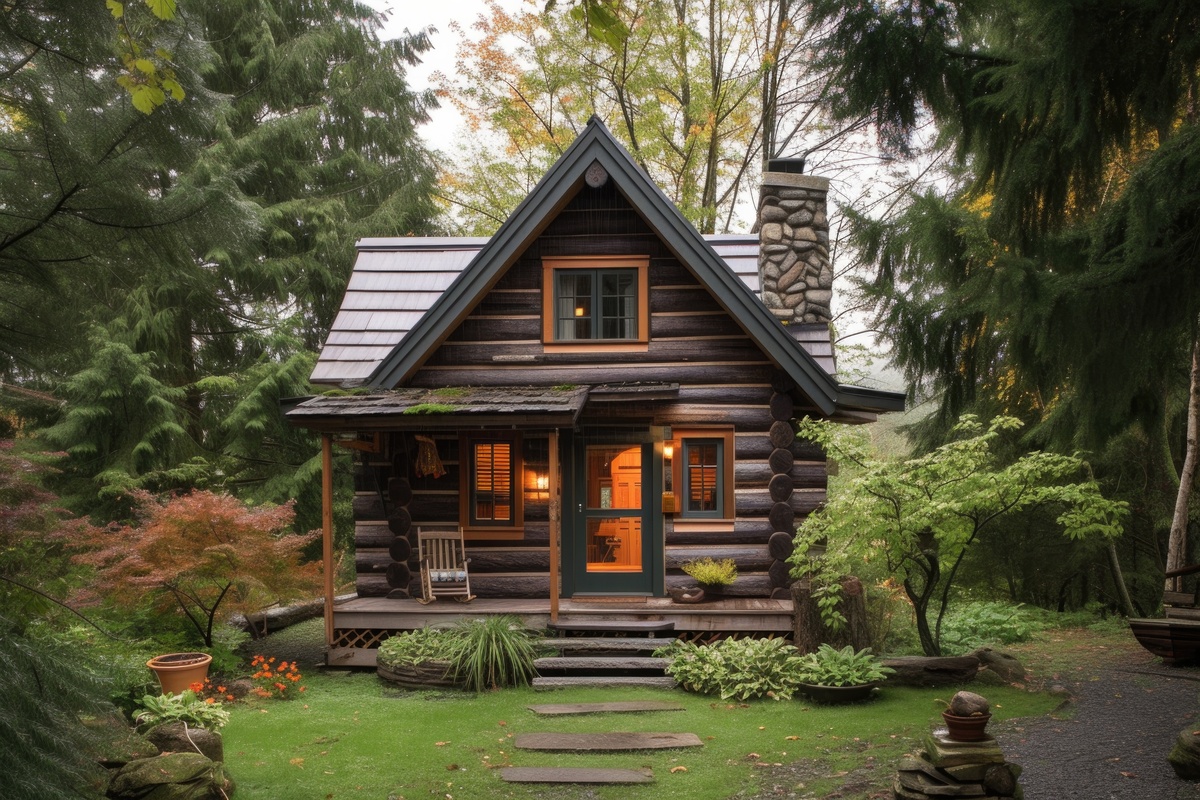
In recent years, the way people live, work, and interact within their homes has undergone a significant transformation. Driven by technological advancements, remote work trends, and evolving family dynamics, the concept of a home is no longer limited to a place for rest. Today, homes are expected to ...
Date: April 02, 2026
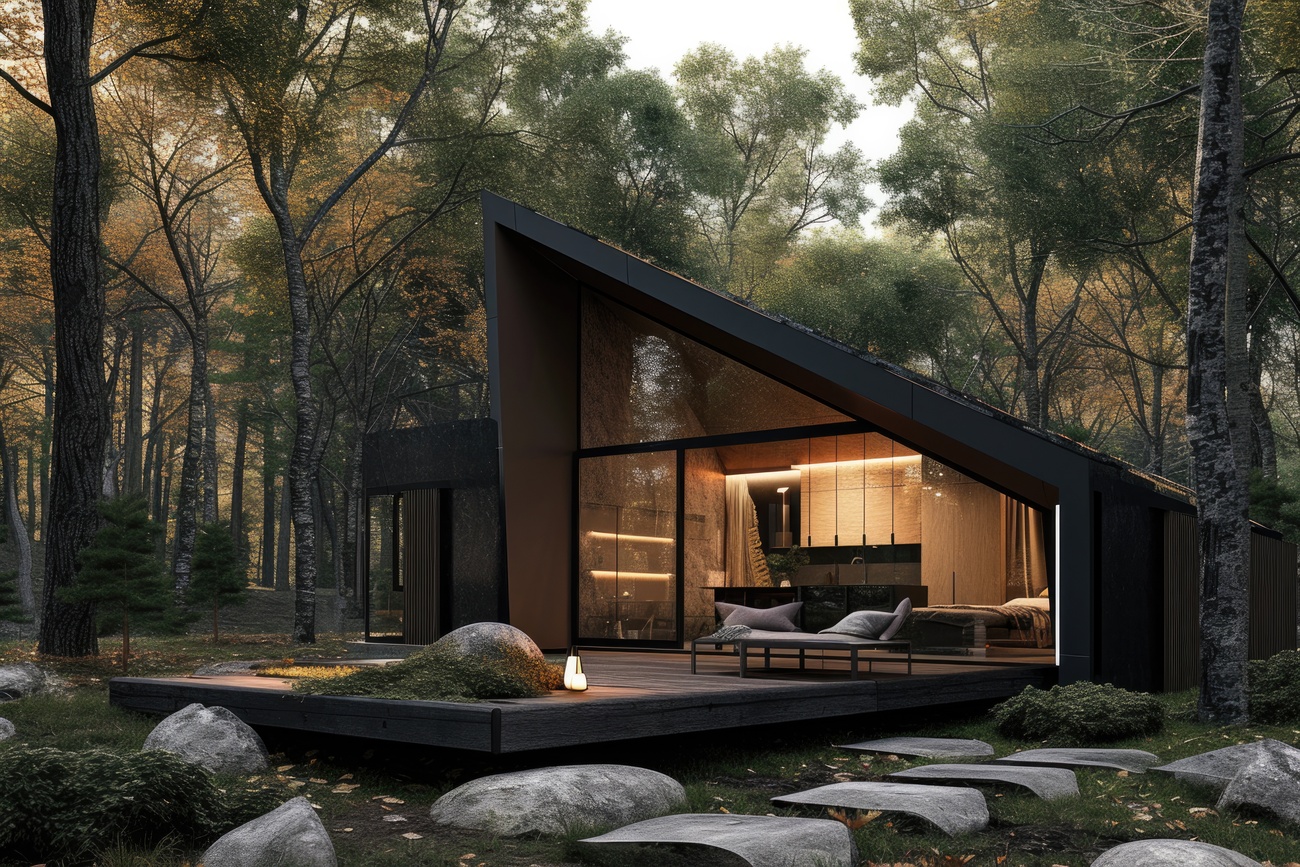
In recent years, a noticeable shift has occurred in the way people design and inhabit their living spaces. Across cities and even suburban areas, homes are becoming smaller. This trend, often referred to as compact living, reflects changing economic realities, evolving lifestyles, and growing enviro ...
Date: April 03, 2026
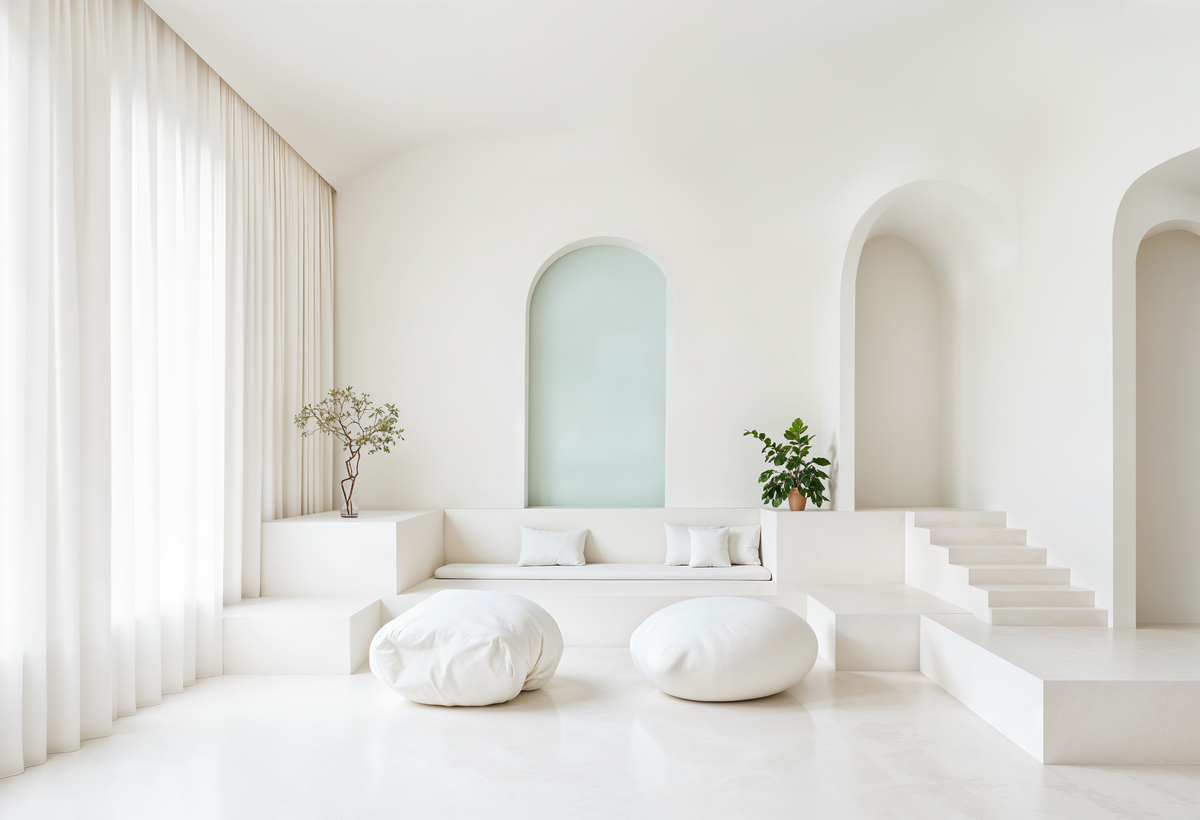
In recent years, the housing market has undergone significant transformation, giving rise to innovative models that respond to shifting economic realities and lifestyle preferences. One of the most notable developments is the “Build-to-Rent” (BTR) trend a housing concept where properties are ...
Date: March 21, 2026
Choosing the right paint color can dramatically change how a house looks and feels. Even with simple furniture and décor, the right color palette can make a home appear elegant, luxurious, and high-end. Many interior designers agree that certain colors have a natural ability to create a sophisticat ...

Date: March 22, 2026
A minimalist living room is all about simplicity, functionality, and elegance. By focusing on clean lines, neutral colors, and carefully selected furniture, you can create a space that feels calm, modern, and comfortable. Minimalist design doesn’t mean empty or boring it means choosing items inten ...
Ala Land Bali — a magical place for the real you
BECOME PART OF THE HISTORY Share your contact details, and our manager will reach out
with full project details