

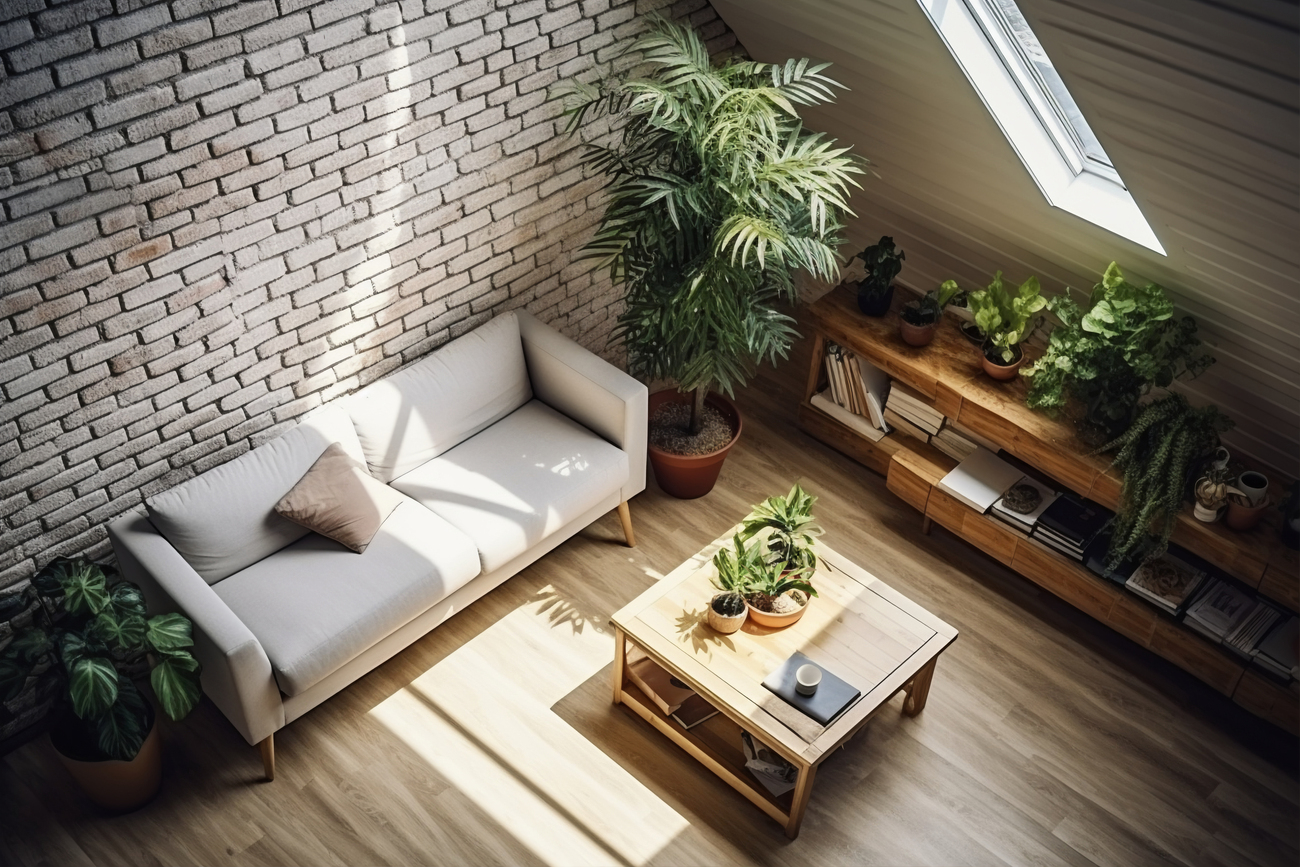
How Airbnb and Co-Living Are Transforming Urban Living Patterns
In recent years, major cities around the world have witnessed a significant transformation in the way people live, travel, and interact with urban spaces. Two major forces driving this change are Airbnb and the co-living movement. These platforms and living arrangements are reshaping housing markets, community structures, and even the cultural identity of cities.
1. The Rise of Flexible Living
Airbnb has revolutionized the concept of temporary accommodation. What began as a platform for short-term stays has evolved into a global phenomenon promoting flexibility and mobility. Urban residents, especially digital nomads and young professionals, now view housing as something adaptable a resource that can be shared, rented, or monetized easily. This flexibility allows people to live in multiple cities throughout the year, blending work and leisure in ways that were once unimaginable.
Co-living spaces, on the other hand, cater to those seeking affordable, community-driven long-term housing. With rising rents and shrinking apartment sizes in cities like New York, London, and Jakarta, co-living offers an appealing alternative: private rooms combined with shared kitchens, lounges, and coworking areas. Residents pay a single fee that covers rent, utilities, and amenities making city living simpler and more social.
2. Redefining the Meaning of “Home”
Traditional housing emphasizes ownership and permanence. Airbnb and co-living challenge this idea by emphasizing experience, convenience, and connection. For many urban dwellers today, home is not necessarily where one stays the longest, but where one feels most connected whether that’s a cozy Airbnb in Tokyo or a co-living hub in Berlin.
This shift reflects a broader cultural trend: the prioritization of lifestyle over location. Younger generations are less focused on owning property and more interested in living dynamically moving where opportunities, friends, and inspiration are.
3. Economic and Social Impacts
While these models have unlocked new opportunities, they also bring challenges. Airbnb’s growth has been linked to rising rental prices and reduced housing availability for locals in some cities. Policymakers are responding with stricter regulations to balance tourism and residential needs.
Co-living spaces, meanwhile, have drawn criticism for their high costs and for sometimes creating exclusive bubbles rather than genuine communities. However, many operators are experimenting with more inclusive models, integrating local events, wellness programs, and cultural exchange to foster meaningful interaction among residents.
4. The Future of Urban Living
Looking ahead, the boundaries between living, working, and traveling will continue to blur. Hybrid lifestyles part resident, part traveler are becoming the norm. Cities must adapt by rethinking zoning, housing policy, and infrastructure to accommodate this new mobility.
Airbnb and co-living are not just trends; they are symptoms of a deeper urban evolution. They highlight humanity’s growing desire for flexibility, connection, and purpose in how we inhabit space. As cities evolve, so too will our understanding of what it means to call a place “home.”
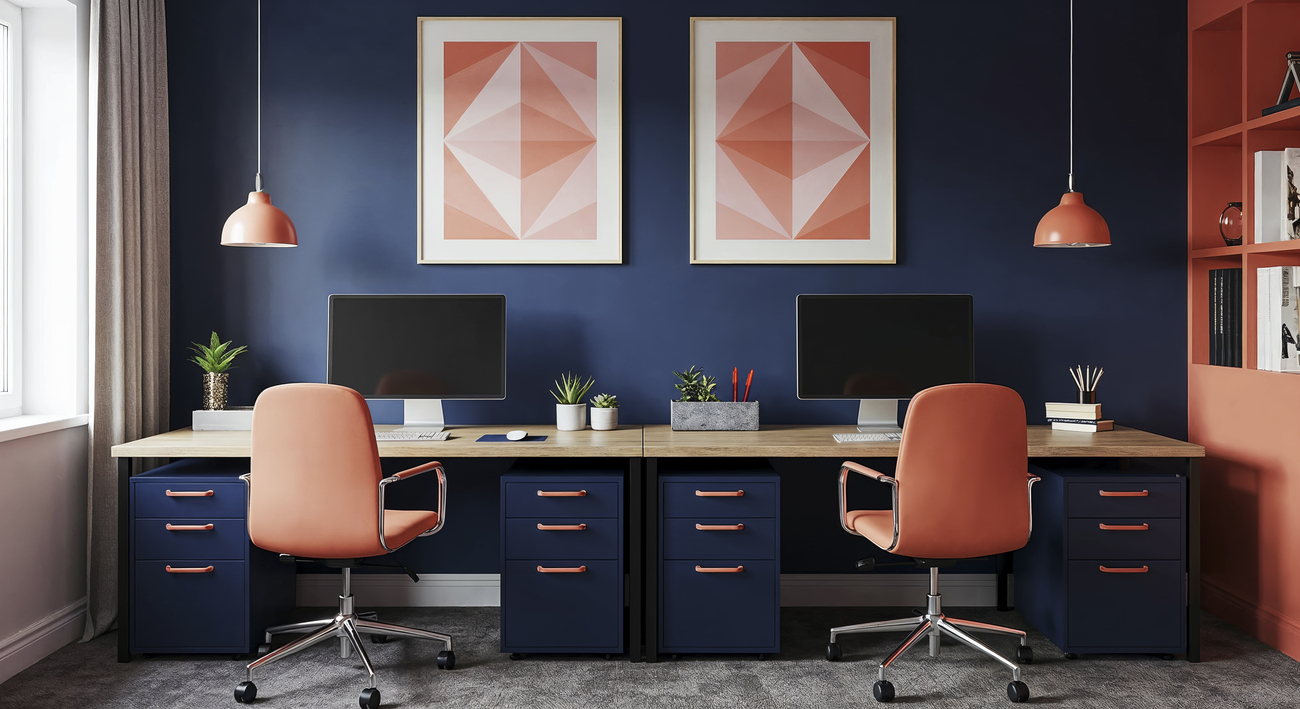
Date: April 01, 2026
In recent years, the way people live, work, and interact within their homes has undergone a significant transformation. Driven by technological advancements, remote work trends, and evolving family dynamics, the concept of a home is no longer limited to a place for rest. Today, homes are expected to ...
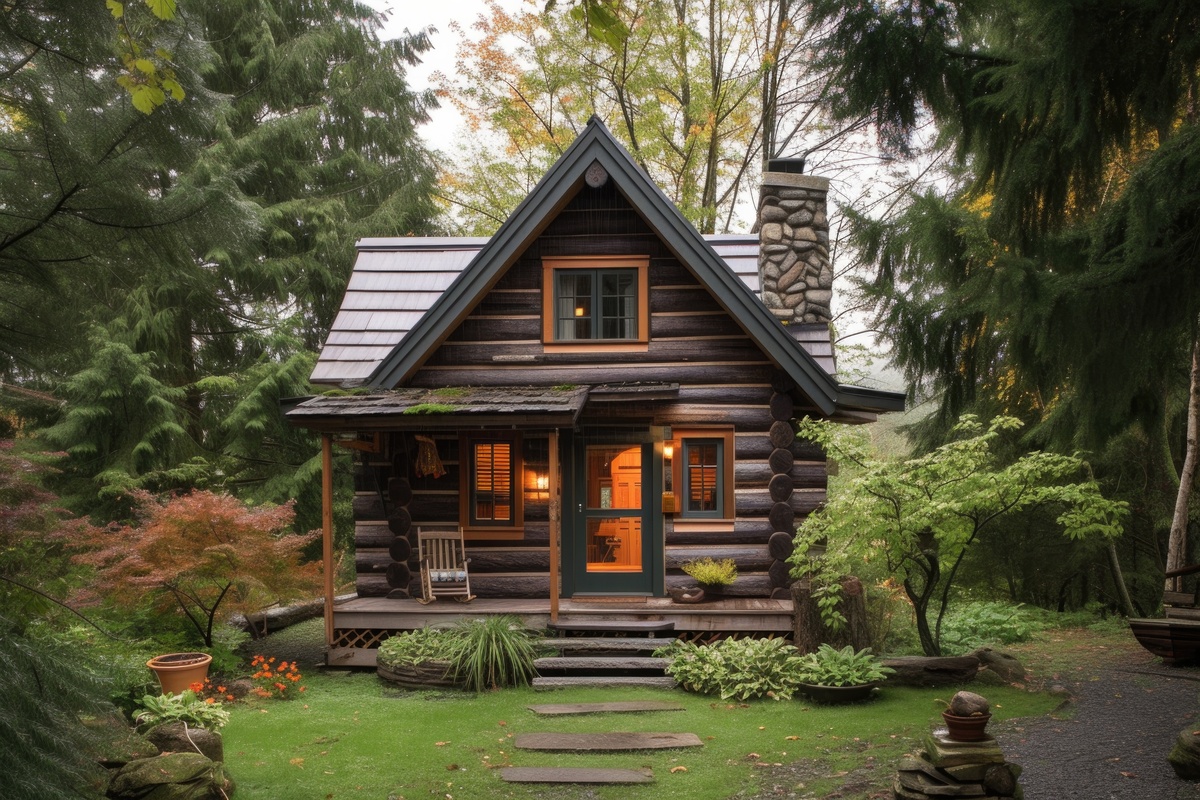
Date: April 02, 2026
In recent years, a noticeable shift has occurred in the way people design and inhabit their living spaces. Across cities and even suburban areas, homes are becoming smaller. This trend, often referred to as compact living, reflects changing economic realities, evolving lifestyles, and growing enviro ...
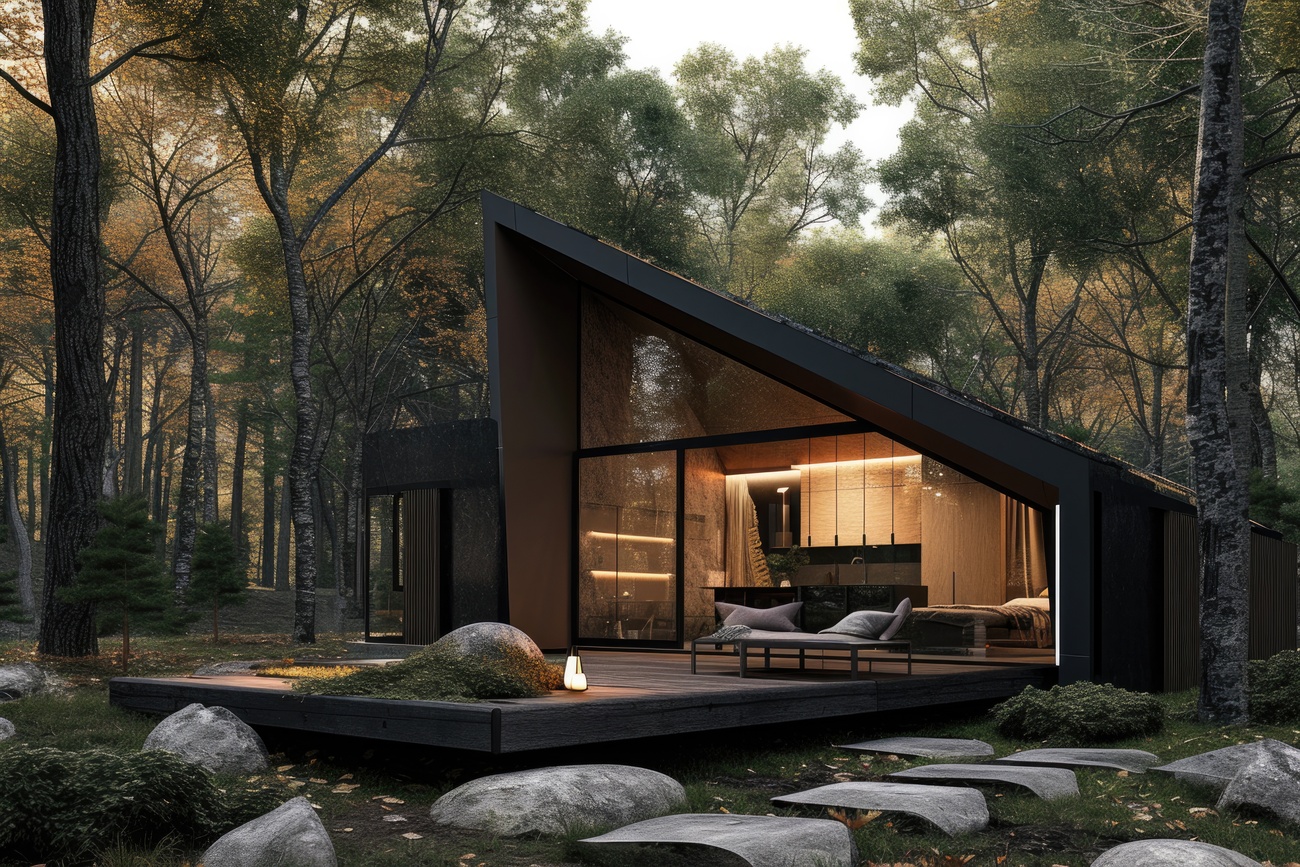
Date: April 03, 2026
In recent years, the housing market has undergone significant transformation, giving rise to innovative models that respond to shifting economic realities and lifestyle preferences. One of the most notable developments is the “Build-to-Rent” (BTR) trend a housing concept where properties are ...
Date: March 21, 2026
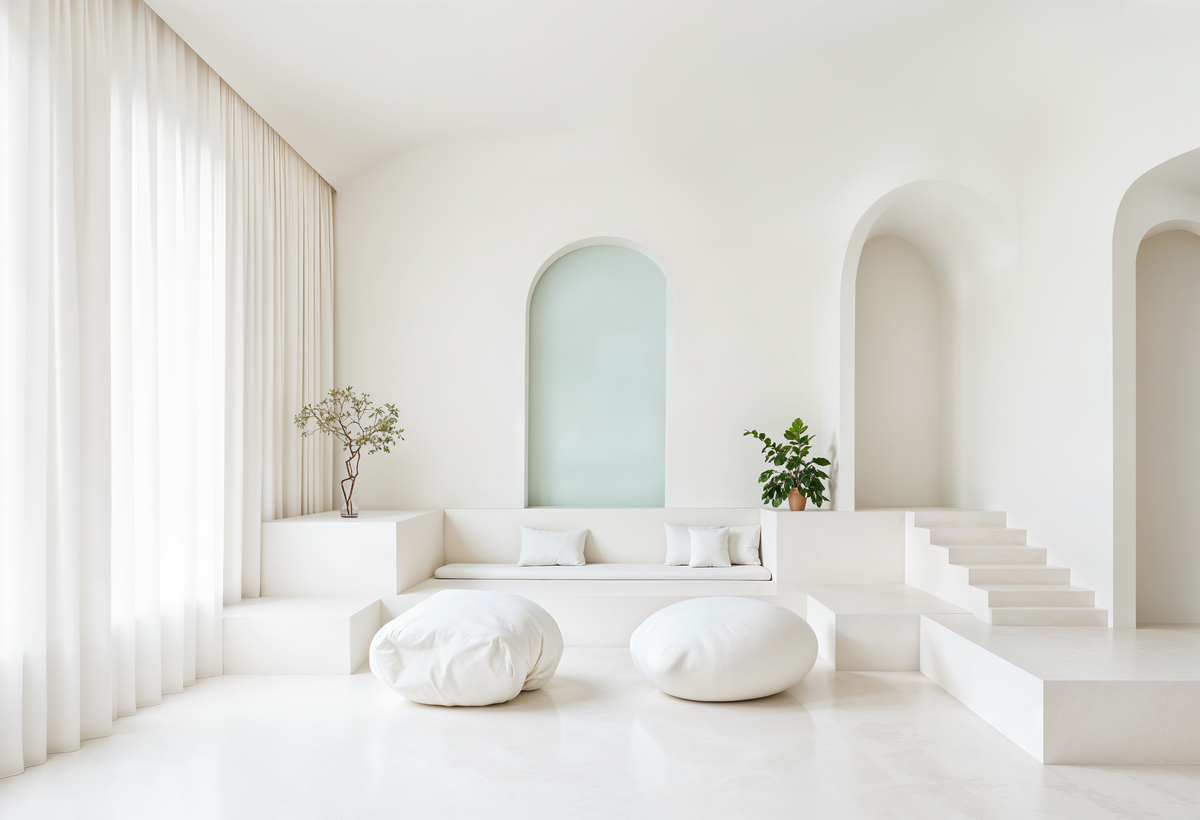
Choosing the right paint color can dramatically change how a house looks and feels. Even with simple furniture and décor, the right color palette can make a home appear elegant, luxurious, and high-end. Many interior designers agree that certain colors have a natural ability to create a sophisticat ...
Date: March 22, 2026
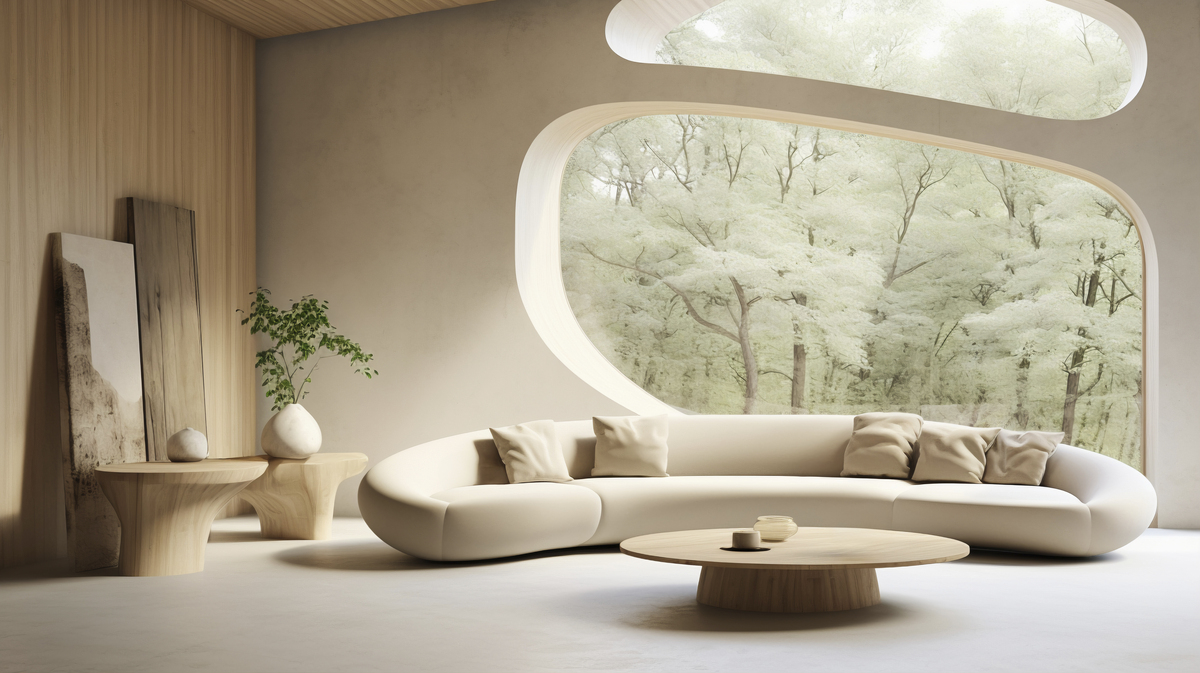
A minimalist living room is all about simplicity, functionality, and elegance. By focusing on clean lines, neutral colors, and carefully selected furniture, you can create a space that feels calm, modern, and comfortable. Minimalist design doesn’t mean empty or boring it means choosing items inten ...
Ala Land Bali — a magical place for the real you
BECOME PART OF THE HISTORY Share your contact details, and our manager will reach out
with full project details