


Major Challenges in the Property Sector in 2026
The global property sector is entering 2026 with a complex mix of opportunities and structural challenges. As markets recover unevenly from economic disruptions of the early 2020s, developers, investors, and policymakers must confront new realities shaped by shifting demographics, technological advances, and changing consumer expectations. Below are the major challenges expected to define the real estate landscape in 2026.
1. High Interest Rates and Financing Pressures
Although inflation is stabilizing in many regions, interest rates remain relatively high compared with pre-2020 levels. This environment continues to pressure both property developers and homebuyers. Financing costs for construction projects have risen, leading to delays, reduced project scopes, or canceled developments. Potential buyers especially first-time homeowners are facing tighter credit standards and increased mortgage burdens, suppressing demand in residential markets.
2. Housing Affordability Crisis
Affordable housing remains one of the sector’s most persistent challenges. Urban areas in both developed and emerging economies are struggling to meet demand for reasonably priced homes. Stagnant wage growth, limited land availability, and increased construction costs have intensified the affordability gap. By 2026, governments and private developers face mounting pressure to create innovative housing solutions, such as modular construction and public-private partnerships.
3. Rising Construction Costs and Supply Chain Volatility
Despite improvements since the global supply chain disruptions of 2021–2023, prices of key materials such as cement, steel, and energy remain elevated. Labor shortages in the construction industry continue to hinder project timelines. These pressures increase the overall risk for developers and result in higher prices for end consumers.
4. Demand Shift Toward Sustainable and Smart Buildings
Sustainability is no longer optional in 2026. Governments worldwide are enforcing stricter green building standards and carbon-reduction targets. Property developers must invest in energy-efficient materials, renewable energy systems, and smarter building technology. While these upgrades help long-term value and reduce environmental impact, the upfront costs pose a major challenge, particularly for small and mid-sized developers.
5. Declining Office Space Demand
The hybrid work model firmly established after the pandemic continues to reshape the commercial real estate sector. Companies are reducing their physical office footprints, focusing instead on flexible, collaborative, and tech-enabled spaces. Older office buildings face declining occupancy rates and may require expensive renovations or conversions into residential units to remain viable.
6. Urban Migration and Shifting Demographics
Changing demographic patterns such as younger generations preferring flexible living arrangements and the migration of workers from major cities to suburban or secondary locations are forcing developers to rethink planning strategies. Demand is increasing for mixed-use developments that integrate housing, retail, and leisure. Meanwhile, aging populations in many countries are creating a growing need for specialized housing such as senior living and healthcare-oriented facilities.
7. Increasing Regulatory Complexity
Property markets in 2026 face tighter regulations related to environmental impact, land use, foreign investment, and tax policies. Compliance has become more costly and time-consuming. In some countries, restrictive zoning laws limit new development, further constraining supply and worsening affordability issues.
The property sector in 2026 stands at a critical crossroads. While technological innovation and sustainability initiatives offer promising opportunities, the industry must navigate high financing costs, affordability challenges, regulatory pressures, and rapidly changing consumer preferences. Stakeholders who embrace adaptability, digital transformation, and sustainable practices will be better positioned to thrive in a landscape marked by both disruption and innovation.
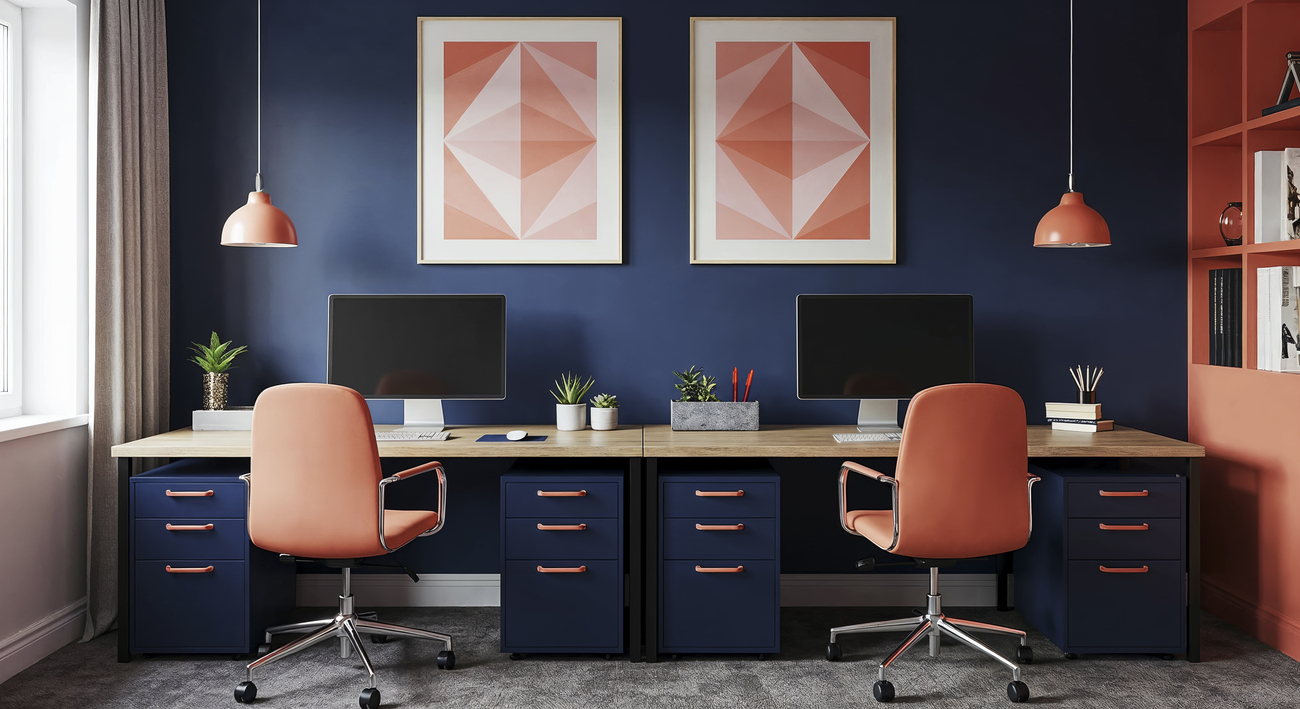
Date: April 01, 2026
In recent years, the way people live, work, and interact within their homes has undergone a significant transformation. Driven by technological advancements, remote work trends, and evolving family dynamics, the concept of a home is no longer limited to a place for rest. Today, homes are expected to ...
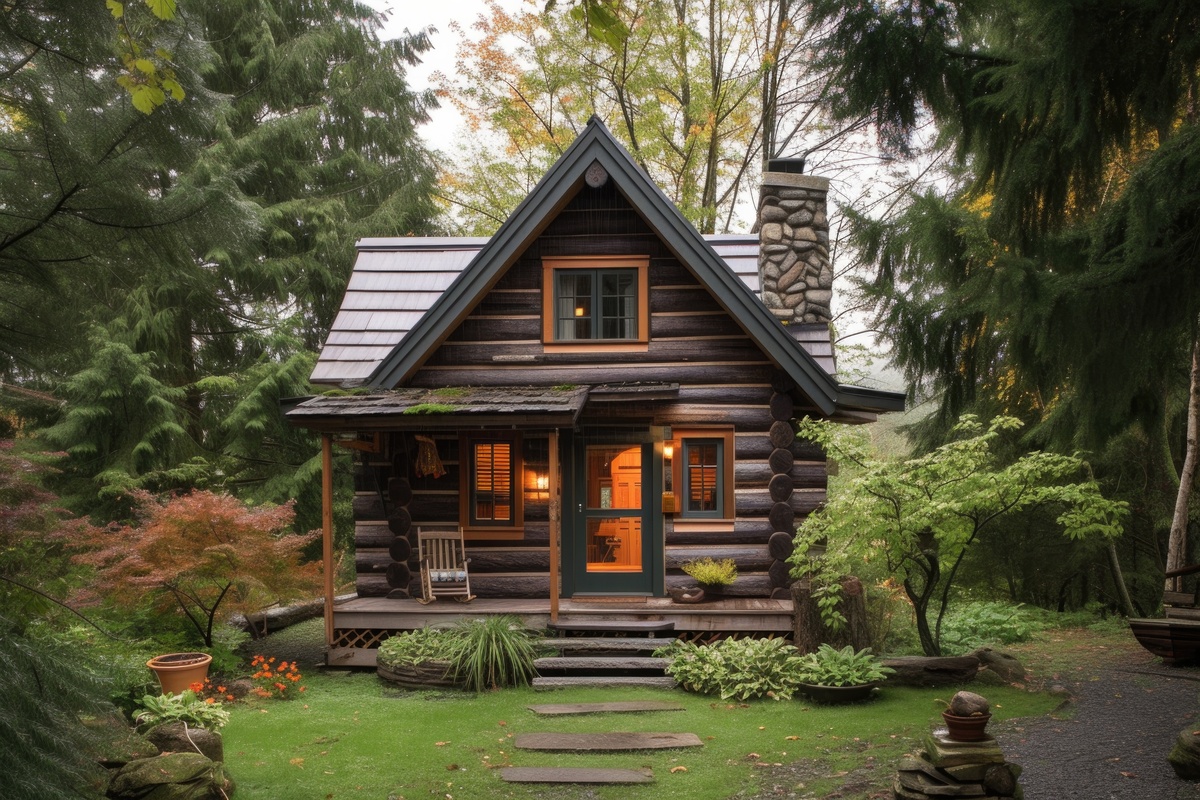
Date: April 02, 2026
In recent years, a noticeable shift has occurred in the way people design and inhabit their living spaces. Across cities and even suburban areas, homes are becoming smaller. This trend, often referred to as compact living, reflects changing economic realities, evolving lifestyles, and growing enviro ...
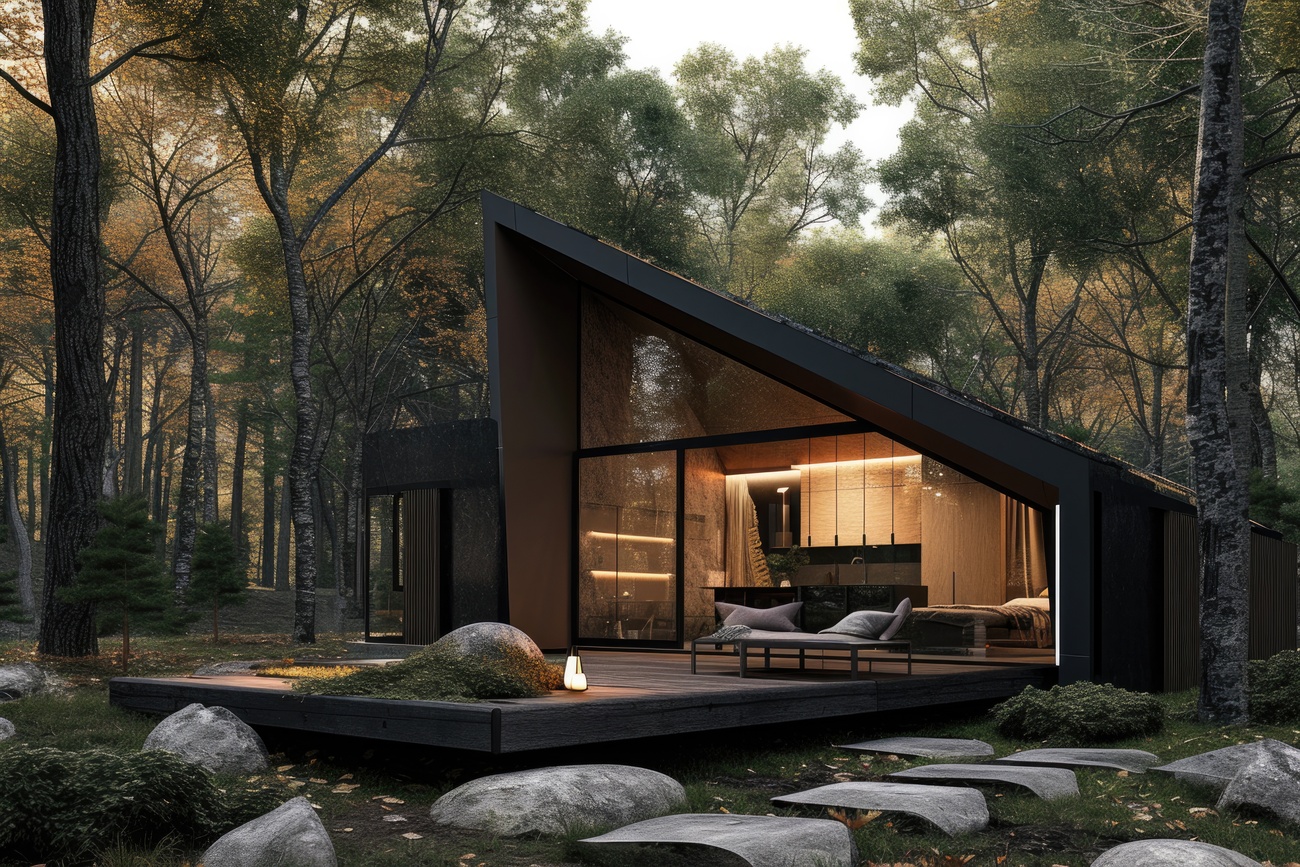
Date: April 03, 2026
In recent years, the housing market has undergone significant transformation, giving rise to innovative models that respond to shifting economic realities and lifestyle preferences. One of the most notable developments is the “Build-to-Rent” (BTR) trend a housing concept where properties are ...

Date: March 21, 2026
Choosing the right paint color can dramatically change how a house looks and feels. Even with simple furniture and décor, the right color palette can make a home appear elegant, luxurious, and high-end. Many interior designers agree that certain colors have a natural ability to create a sophisticat ...

Date: March 22, 2026
A minimalist living room is all about simplicity, functionality, and elegance. By focusing on clean lines, neutral colors, and carefully selected furniture, you can create a space that feels calm, modern, and comfortable. Minimalist design doesn’t mean empty or boring it means choosing items inten ...
Ala Land Bali — a magical place for the real you
BECOME PART OF THE HISTORY Share your contact details, and our manager will reach out
with full project details