


Preferences of Young Family Property Buyers
In recent years, the property market has experienced a noticeable shift driven by the growing influence of young families as primary homebuyers. Typically consisting of married couples in their late 20s to early 40s, often with young children, this demographic has distinct preferences shaped by lifestyle changes, financial considerations, and long-term planning. Understanding these preferences is essential for property developers, real estate agents, and policymakers aiming to meet market demand effectively.
1. Location and Accessibility
Location remains one of the most important factors for young family property buyers. Proximity to workplaces, schools, healthcare facilities, and shopping centers is highly valued. Easy access to public transportation and major roads is also a priority, as it helps reduce daily commuting time and supports work–life balance. Young families often prefer residential areas that are not necessarily in city centers but still offer good connectivity. Suburban neighborhoods with developing infrastructure are particularly attractive because they combine affordability with accessibility.
2. Safety and Neighborhood Environment
Safety is a top concern for families with young children. Buyers tend to favor properties located in secure neighborhoods with low crime rates, gated access, and 24-hour security systems. A family-friendly environment, including quiet streets and a strong sense of community, significantly influences purchasing decisions. In addition, neighborhoods with green spaces, playgrounds, and pedestrian-friendly areas are especially appealing, as they provide safe outdoor activities for children and promote a healthier lifestyle.
3. Property Size and Layout
Young families generally look for homes that can accommodate both current and future needs. Properties with two to three bedrooms, flexible living spaces, and sufficient storage are preferred. An efficient layout that separates private areas (such as bedrooms) from shared spaces (living and dining areas) is also important. As remote and hybrid working models become more common, many buyers now seek additional rooms or multipurpose spaces that can function as home offices or study areas.
4. Affordability and Financing Options
Affordability plays a critical role in property selection. Young families are often first-time buyers with limited savings, making price sensitivity a key consideration. Competitive pricing, reasonable down payments, and access to mortgage financing greatly influence buying decisions. Flexible payment schemes, government housing incentives, and partnerships with financial institutions can make properties more attractive to this segment. Buyers also consider long-term costs, such as maintenance fees, utility expenses, and property taxes.
5. Facilities and Amenities
Modern facilities are increasingly important for young family buyers. Amenities such as parks, jogging tracks, community centers, childcare facilities, and nearby schools add significant value. Integrated residential developments that offer retail outlets, fitness centers, and recreational areas within the complex are particularly appealing. These amenities not only improve daily convenience but also support social interaction and community building among residents.
6. Sustainability and Smart Features
Environmental awareness is growing among young families. Energy-efficient designs, good natural lighting, proper ventilation, and eco-friendly building materials are becoming important considerations. Properties that reduce energy consumption can help lower monthly expenses while supporting sustainable living. Smart home features, such as security systems, smart lighting, and energy management tools, are also gaining popularity, as they offer convenience, safety, and efficiency.
Young family property buyers represent a dynamic and influential segment of the real estate market. Their preferences reflect a balance between practicality, affordability, and long-term lifestyle aspirations. Key factors such as location, safety, functional design, financial accessibility, and modern amenities strongly shape their purchasing decisions. By understanding and addressing these preferences, property developers and real estate professionals can create housing solutions that not only meet market demand but also contribute to sustainable and family-oriented communities.

Date: April 01, 2026
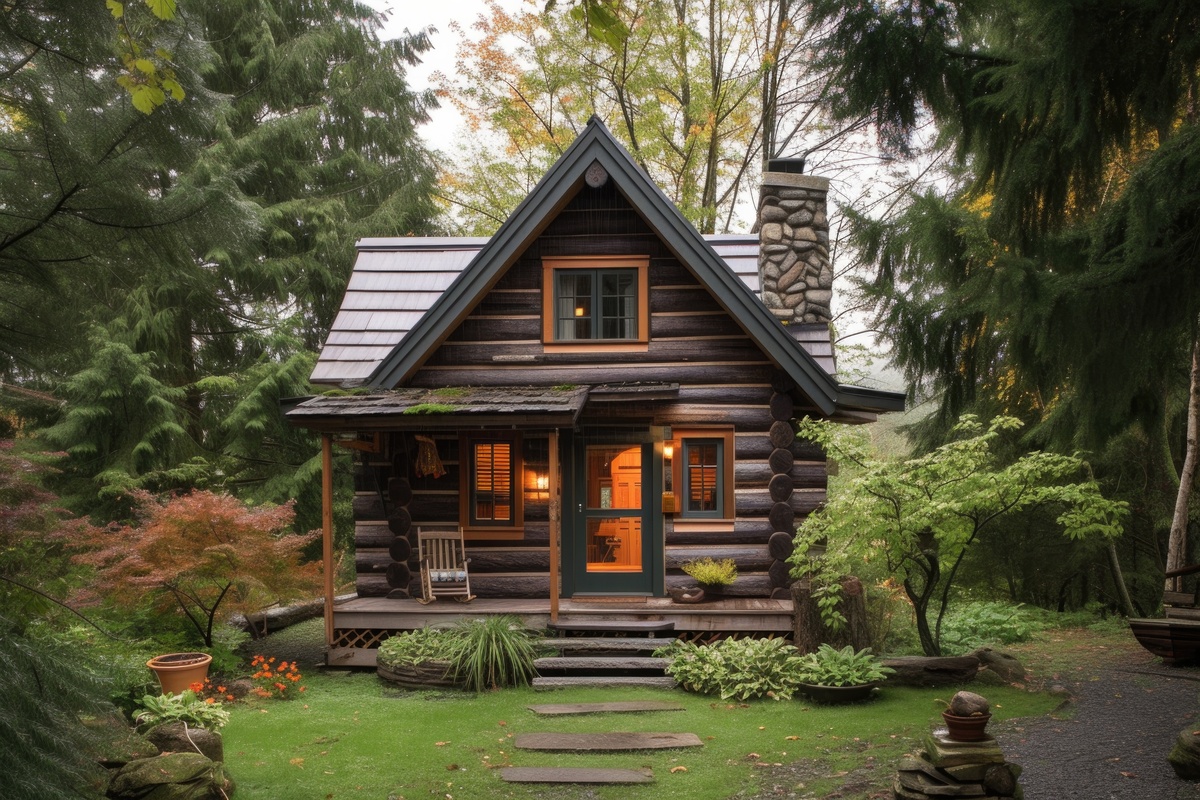
In recent years, the way people live, work, and interact within their homes has undergone a significant transformation. Driven by technological advancements, remote work trends, and evolving family dynamics, the concept of a home is no longer limited to a place for rest. Today, homes are expected to ...
Date: April 02, 2026
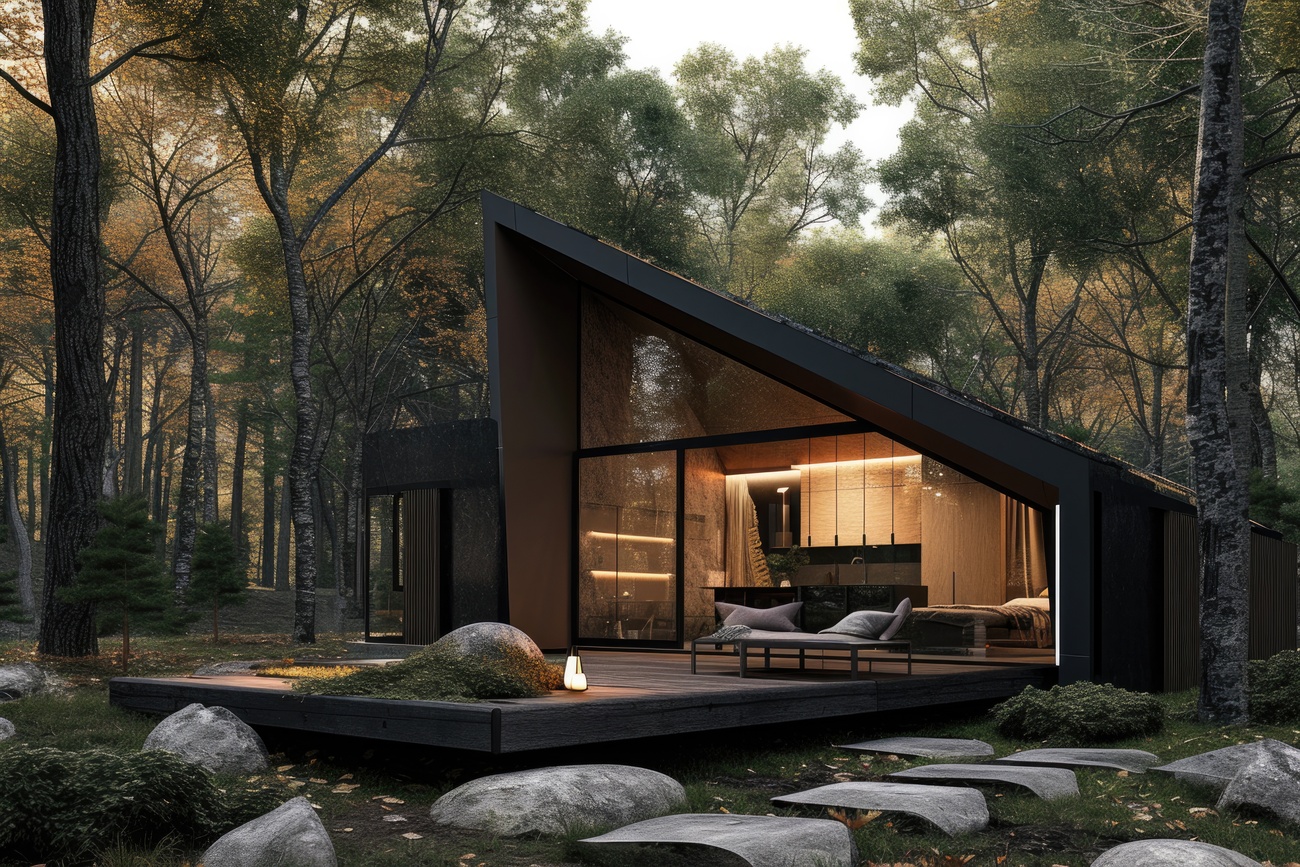
In recent years, a noticeable shift has occurred in the way people design and inhabit their living spaces. Across cities and even suburban areas, homes are becoming smaller. This trend, often referred to as compact living, reflects changing economic realities, evolving lifestyles, and growing enviro ...
Date: April 03, 2026
In recent years, the housing market has undergone significant transformation, giving rise to innovative models that respond to shifting economic realities and lifestyle preferences. One of the most notable developments is the “Build-to-Rent” (BTR) trend a housing concept where properties are ...

Date: March 21, 2026
Choosing the right paint color can dramatically change how a house looks and feels. Even with simple furniture and décor, the right color palette can make a home appear elegant, luxurious, and high-end. Many interior designers agree that certain colors have a natural ability to create a sophisticat ...

Date: March 22, 2026
A minimalist living room is all about simplicity, functionality, and elegance. By focusing on clean lines, neutral colors, and carefully selected furniture, you can create a space that feels calm, modern, and comfortable. Minimalist design doesn’t mean empty or boring it means choosing items inten ...
Ala Land Bali — a magical place for the real you
BECOME PART OF THE HISTORY Share your contact details, and our manager will reach out
with full project details