

Short-Term vs Long-Term Property Investment Strategies
Investing in property can be one of the most rewarding ways to build wealth, but the success of your investment largely depends on the strategy you choose. Broadly speaking, property investments can be categorized into short-term and long-term strategies. Each has its own opportunities, risks, and suitability depending on the investor’s goals.
Short-Term Property Investment Strategies
Short-term investments are focused on generating quick profits within a relatively brief period, often ranging from a few months to a couple of years.
Common Approaches
House Flipping – Buying undervalued properties, renovating them, and selling for a profit.
Short-Term Rentals – Leveraging platforms like Airbnb to maximize rental yields in tourist-friendly or high-demand urban areas.
Speculative Buying – Purchasing property in emerging areas with the expectation of rapid price appreciation.
Advantages
Faster capital growth potential.
Higher returns if market conditions are favorable.
Flexibility to reinvest in new opportunities.
Risks
High transaction and renovation costs.
Market volatility can reduce expected profits.
Requires active management and quick decision-making.
Short-term property investments are best for investors with a higher risk appetite, sufficient capital for renovations or marketing, and the ability to act quickly in fluctuating markets.
Long-Term Property Investment Strategies
Long-term investments focus on holding property for extended periods often 10 years or more allowing value appreciation and steady rental income.
Common Approaches
Buy-and-Hold Residential Property – Purchasing homes or apartments and renting them out over the years.
Commercial Real Estate – Investing in office spaces, warehouses, or retail properties with long leases.
Land Banking – Acquiring land in growth corridors and holding it until demand increases significantly.
Advantages
Steady rental income provides financial security.
Property values generally appreciate over time.
Lower transaction costs compared to frequent buying and selling.
Passive wealth-building with compounding returns.
Risks
Requires patience and long-term financial commitment.
Market downturns can impact property value temporarily.
Property management and maintenance responsibilities.
Long-term investments are suitable for investors seeking stability, passive income, and long-term wealth preservation rather than immediate profits.
Which Strategy Is Right for You?
The decision between short-term and long-term property investment depends on your financial goals, risk tolerance, and investment horizon:
Choose short-term strategies if you want quick returns, have the expertise to manage projects actively, and can handle higher risks.
Choose long-term strategies if you prioritize stability, consistent cash flow, and gradual wealth accumulation.
In many cases, seasoned investors build a balanced portfolio, combining both strategies to optimize returns and mitigate risks.
Date: April 01, 2026
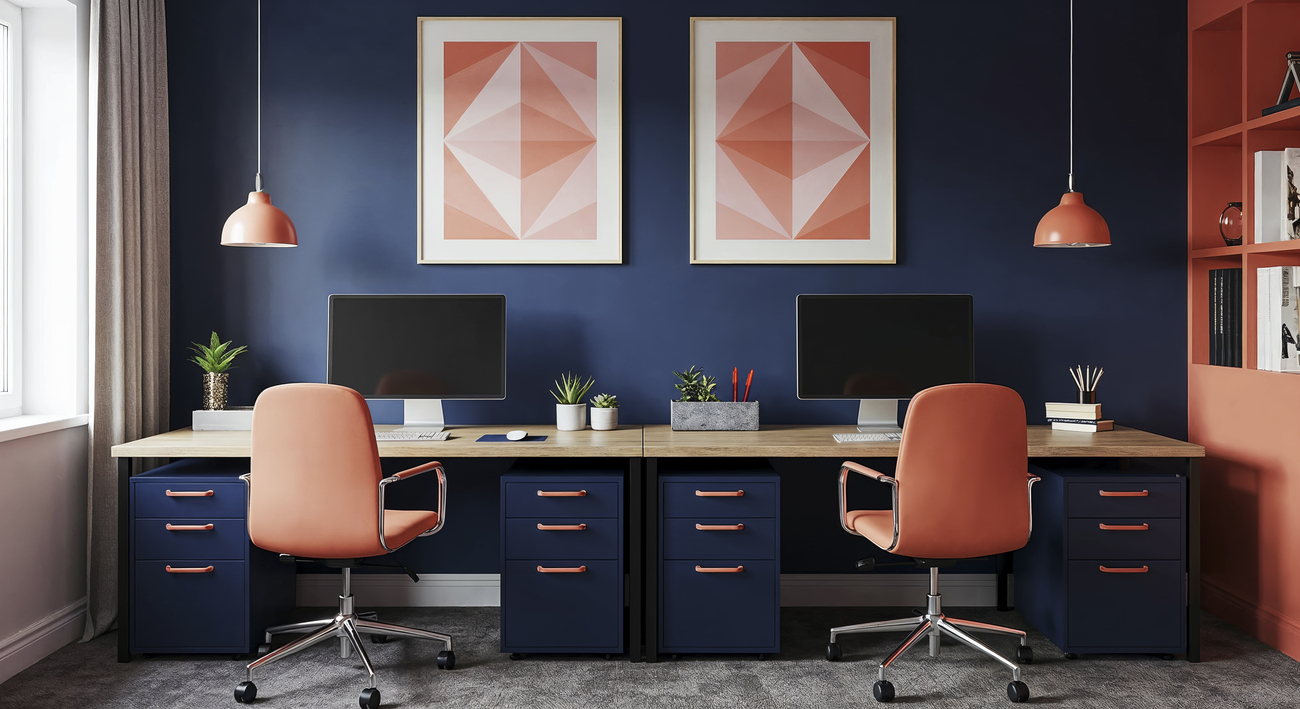
In recent years, the way people live, work, and interact within their homes has undergone a significant transformation. Driven by technological advancements, remote work trends, and evolving family dynamics, the concept of a home is no longer limited to a place for rest. Today, homes are expected to ...
Date: April 02, 2026
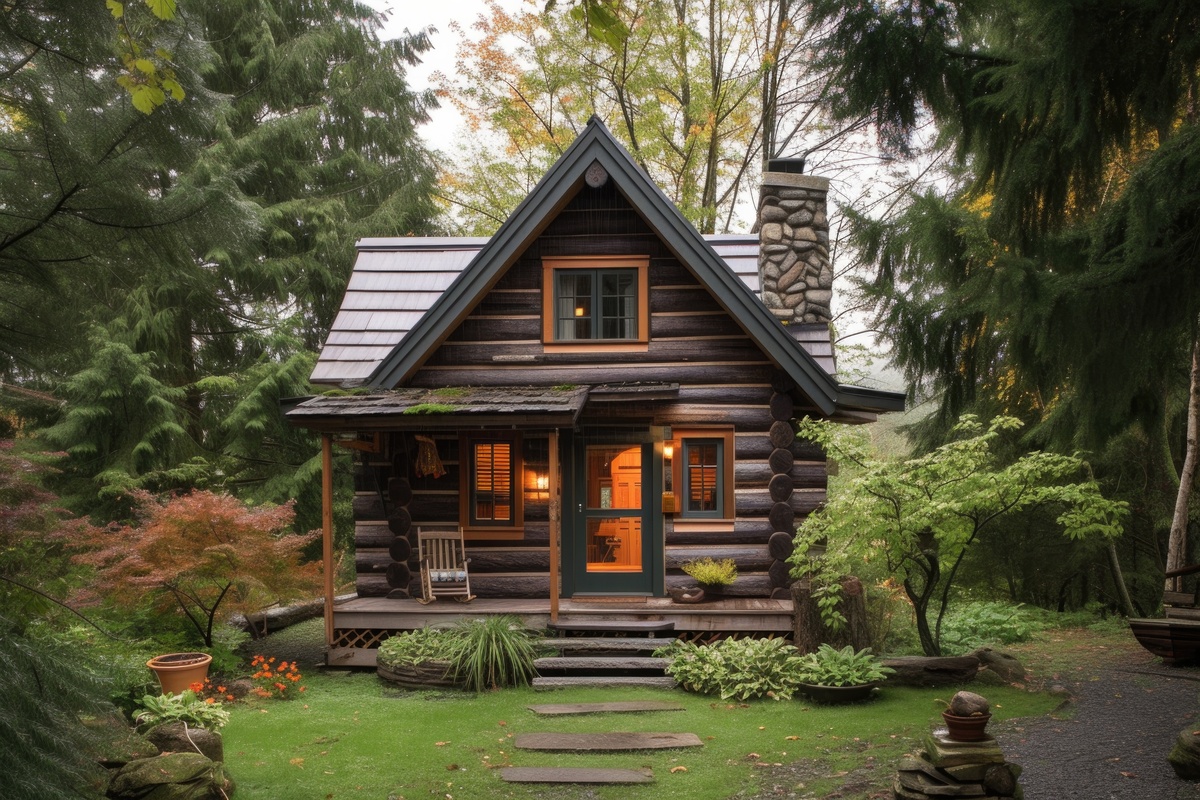
In recent years, a noticeable shift has occurred in the way people design and inhabit their living spaces. Across cities and even suburban areas, homes are becoming smaller. This trend, often referred to as compact living, reflects changing economic realities, evolving lifestyles, and growing enviro ...
Date: April 03, 2026
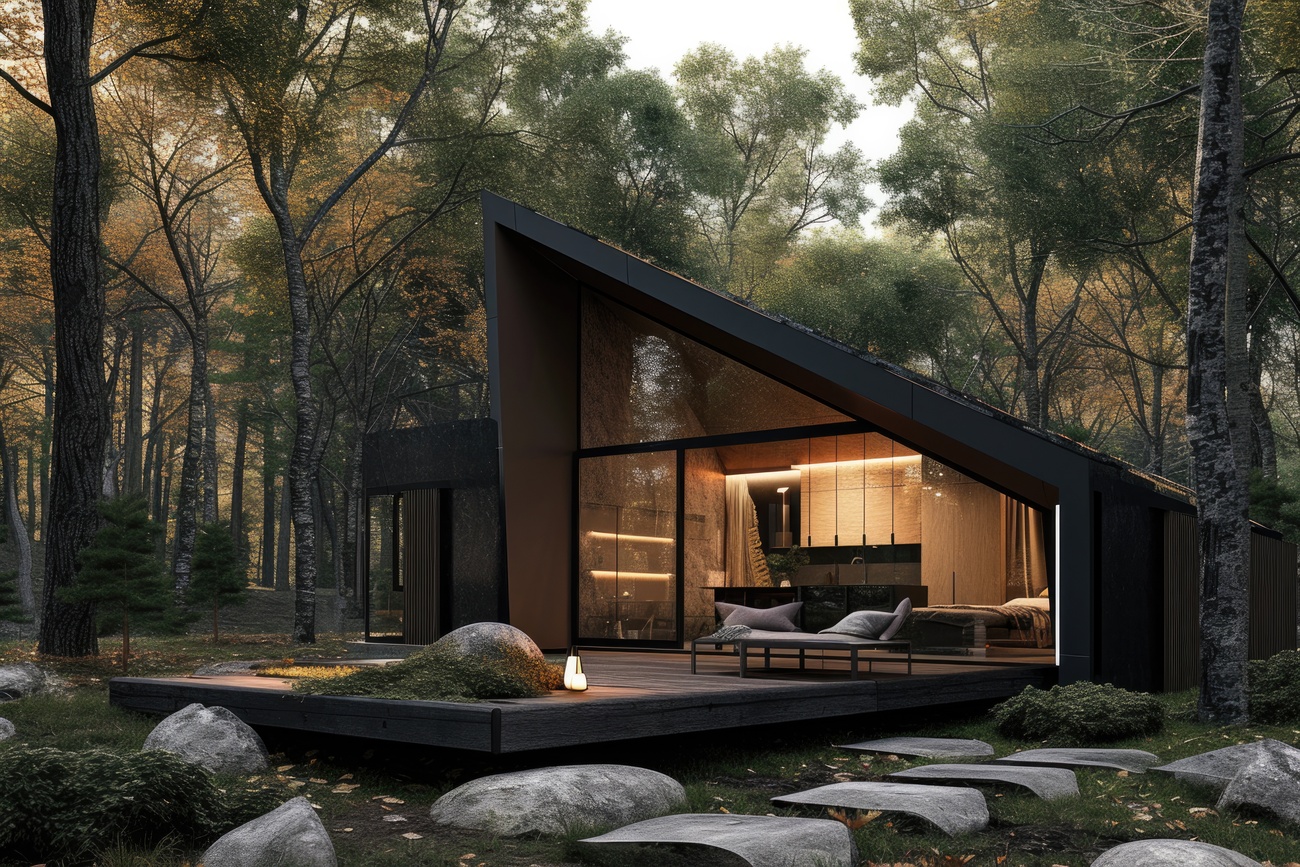
In recent years, the housing market has undergone significant transformation, giving rise to innovative models that respond to shifting economic realities and lifestyle preferences. One of the most notable developments is the “Build-to-Rent” (BTR) trend a housing concept where properties are ...
Date: March 21, 2026
Choosing the right paint color can dramatically change how a house looks and feels. Even with simple furniture and décor, the right color palette can make a home appear elegant, luxurious, and high-end. Many interior designers agree that certain colors have a natural ability to create a sophisticat ...

Date: March 22, 2026
A minimalist living room is all about simplicity, functionality, and elegance. By focusing on clean lines, neutral colors, and carefully selected furniture, you can create a space that feels calm, modern, and comfortable. Minimalist design doesn’t mean empty or boring it means choosing items inten ...
Ala Land Bali — a magical place for the real you
BECOME PART OF THE HISTORY Share your contact details, and our manager will reach out
with full project details