

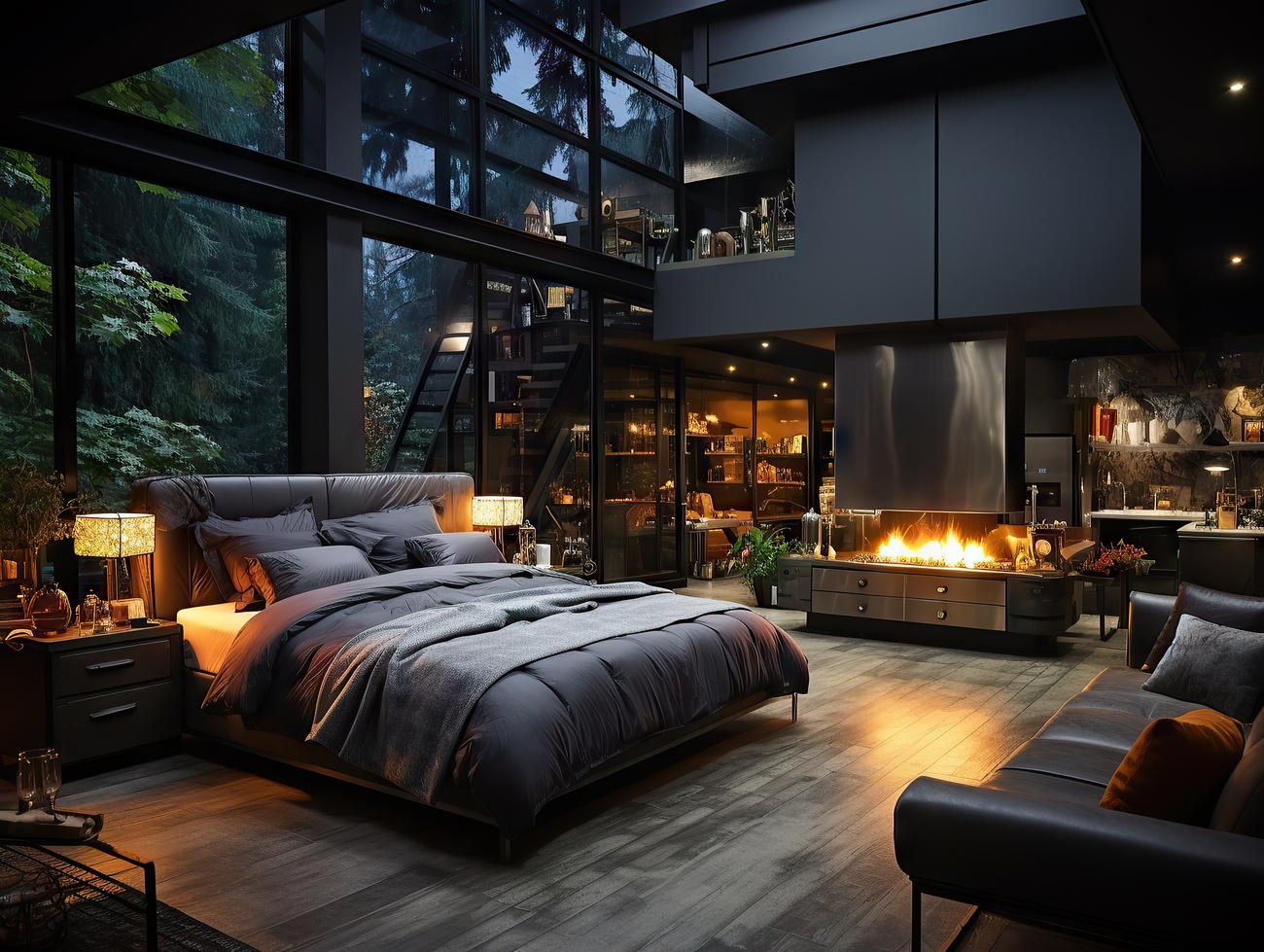
Small but Expensive Houses: The Reality of Urban Living
In many major cities around the world, owning a home has become increasingly difficult. One of the most striking trends in urban housing today is the rise of small but expensive houses. Despite their limited size, these homes often come with high price tags, reflecting the complex realities of modern urban living.
Limited Space, High Demand
Urban areas attract people for many reasons: better job opportunities, access to education, healthcare, transportation, and entertainment. As more people move to cities, the demand for housing continues to grow. However, land in urban centers is extremely limited. This imbalance between supply and demand drives property prices up, even for homes with very small living spaces. As a result, many city residents must settle for compact houses or apartments that may be less than half the size of suburban homes but cost significantly more. In cities like Tokyo, New York, London, or Jakarta, small living spaces are no longer an exception they are the norm.
The Cost of Location
One of the main reasons small houses are so expensive is location. Living close to business districts, public transportation, and essential services adds great value to a property. Buyers are often willing to pay a premium for convenience, even if it means sacrificing space. For many professionals, living near their workplace reduces commuting time and transportation costs. This convenience improves quality of life, making high-priced, small homes a reasonable compromise. In this sense, people are not only paying for the house itself, but also for access, time efficiency, and lifestyle.
Changing Lifestyles and Priorities
Modern urban lifestyles also play a role in this trend. Many city dwellers, especially young professionals and small families, prefer minimalistic living. They prioritize experiences, mobility, and flexibility over large homes filled with unused rooms. Small houses encourage efficient design and multifunctional spaces. Smart storage solutions, open layouts, and modern furniture make compact living more comfortable than it once was. While these design features improve functionality, they also increase construction and design costs, contributing to higher prices.
Economic and Social Impacts
The rise of small but expensive houses has serious economic and social consequences. For middle- and lower-income residents, affordable housing in city centers is becoming increasingly out of reach. This can lead to social inequality, as only wealthier individuals can afford to live in well-connected urban areas. As a result, many people are forced to live on the outskirts of cities, facing long commutes and higher transportation costs. This urban sprawl can increase traffic congestion, pollution, and stress, while reducing work-life balance.
The Future of Urban Housing
Governments and urban planners are beginning to address these challenges by promoting affordable housing projects, vertical housing, and mixed-use developments. Micro-apartments, co-living spaces, and sustainable housing solutions are emerging as possible answers to the problem. However, without careful planning and regulation, the trend of small but expensive housing is likely to continue. As cities grow denser, space will remain scarce, and prices will remain high.
Small but expensive houses are a clear reflection of the realities of urban living today. Limited land, high demand, valuable locations, and changing lifestyles all contribute to this phenomenon. While compact homes may offer convenience and efficiency, they also highlight the urgent need for more inclusive and affordable urban housing solutions. The challenge for the future is finding a balance between urban growth, livability, and affordability.
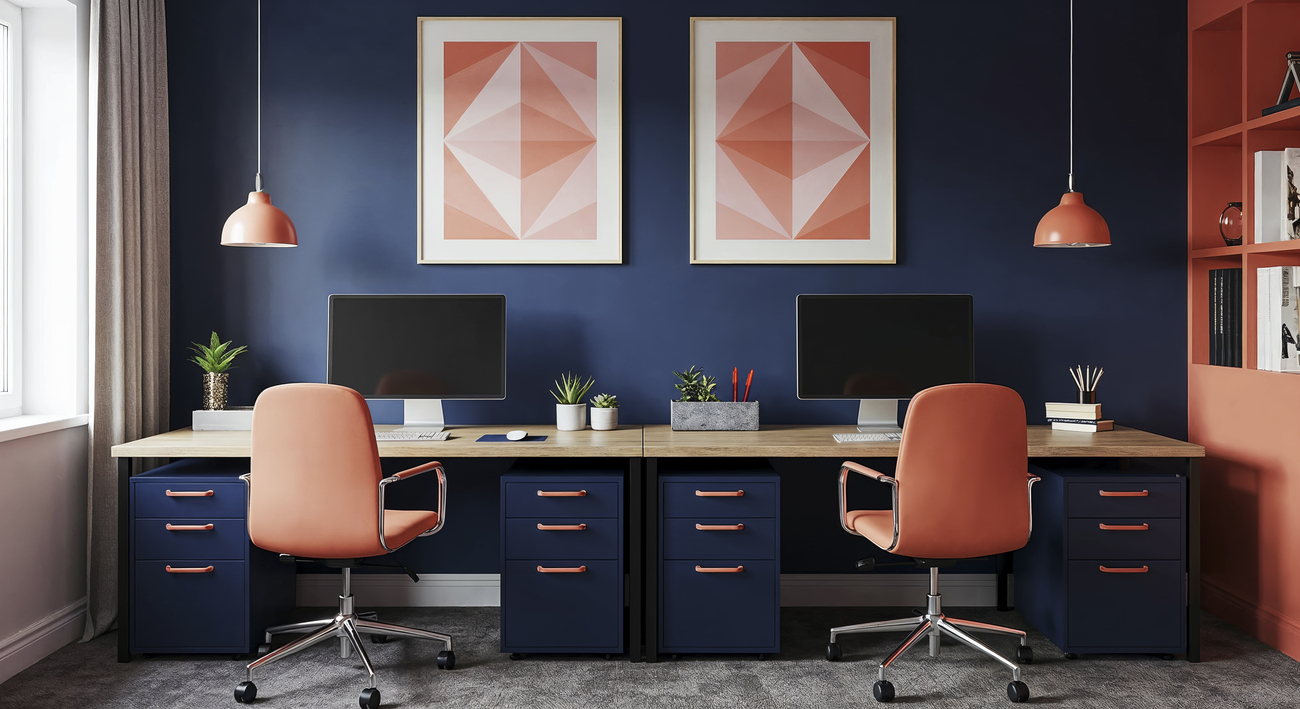
Date: April 01, 2026
In recent years, the way people live, work, and interact within their homes has undergone a significant transformation. Driven by technological advancements, remote work trends, and evolving family dynamics, the concept of a home is no longer limited to a place for rest. Today, homes are expected to ...
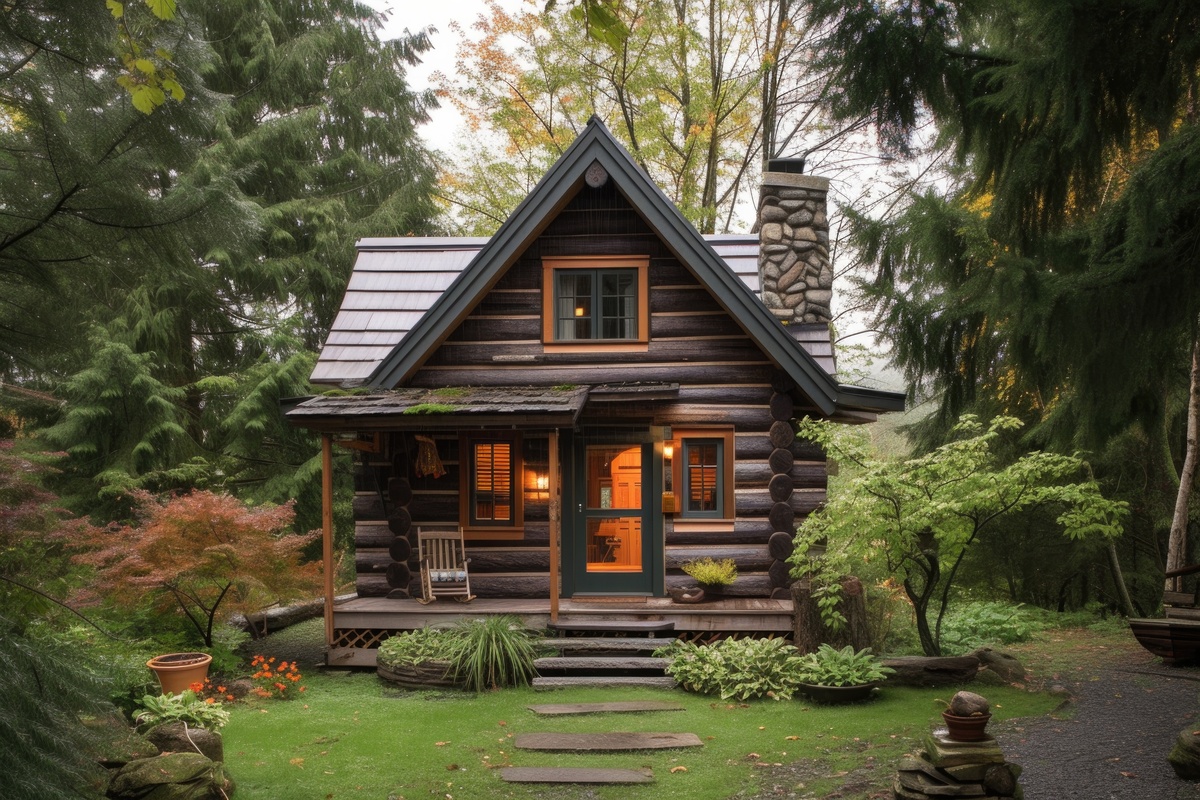
Date: April 02, 2026
In recent years, a noticeable shift has occurred in the way people design and inhabit their living spaces. Across cities and even suburban areas, homes are becoming smaller. This trend, often referred to as compact living, reflects changing economic realities, evolving lifestyles, and growing enviro ...
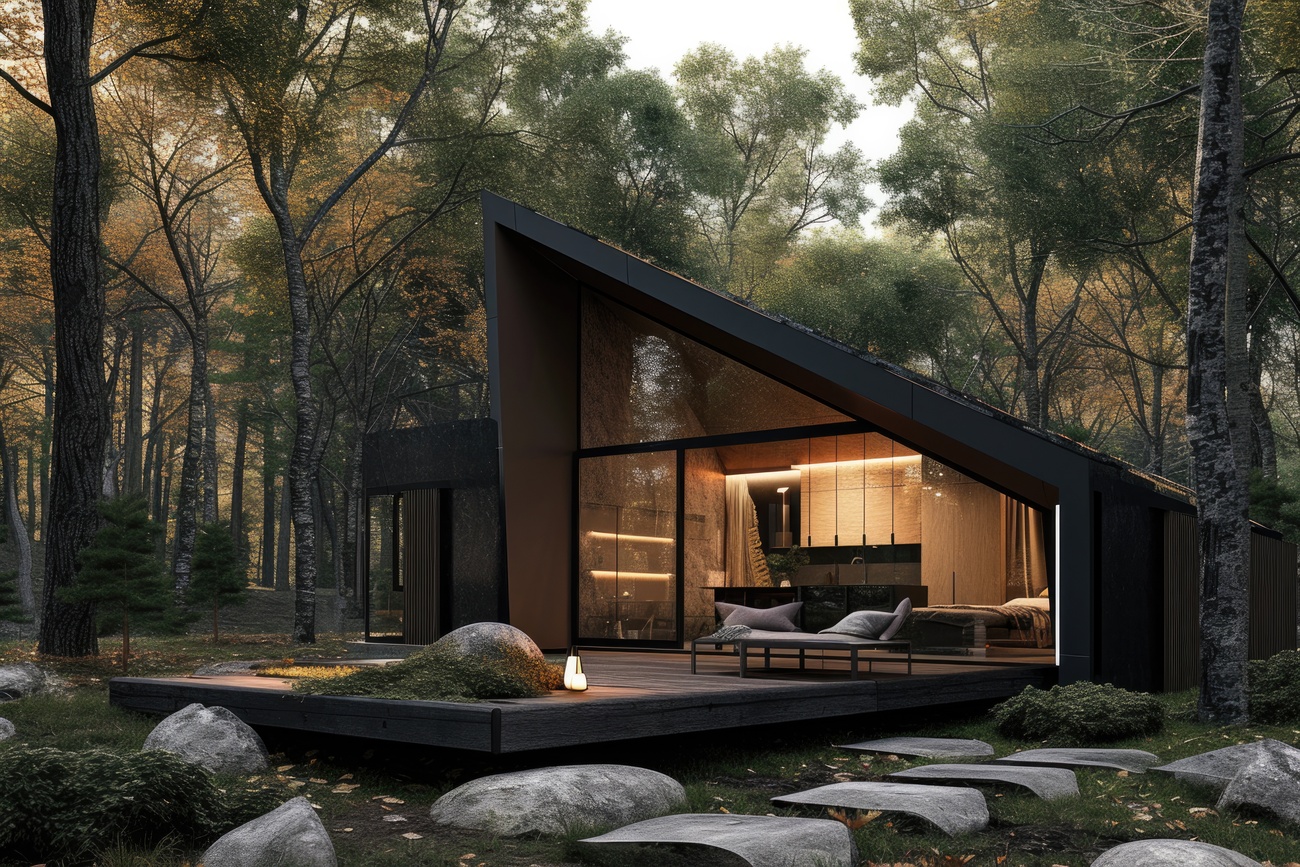
Date: April 03, 2026
In recent years, the housing market has undergone significant transformation, giving rise to innovative models that respond to shifting economic realities and lifestyle preferences. One of the most notable developments is the “Build-to-Rent” (BTR) trend a housing concept where properties are ...
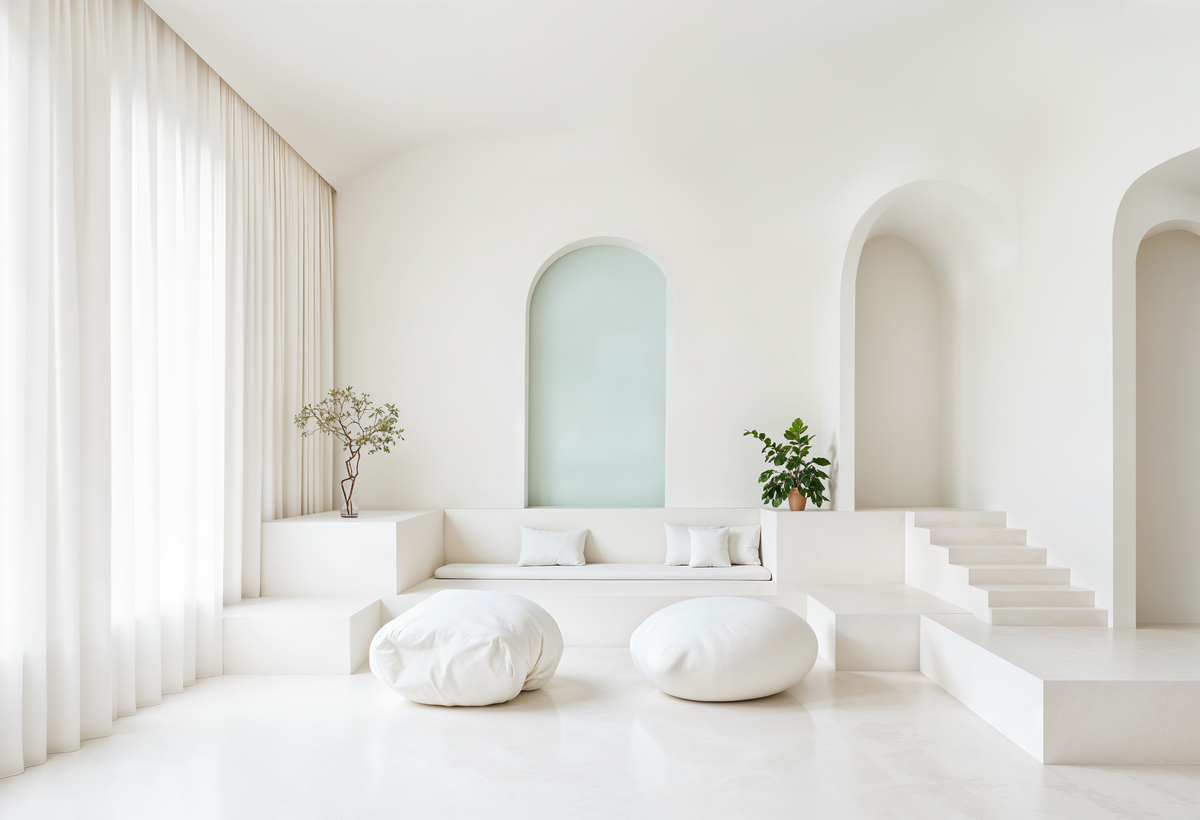
Date: March 21, 2026
Choosing the right paint color can dramatically change how a house looks and feels. Even with simple furniture and décor, the right color palette can make a home appear elegant, luxurious, and high-end. Many interior designers agree that certain colors have a natural ability to create a sophisticat ...
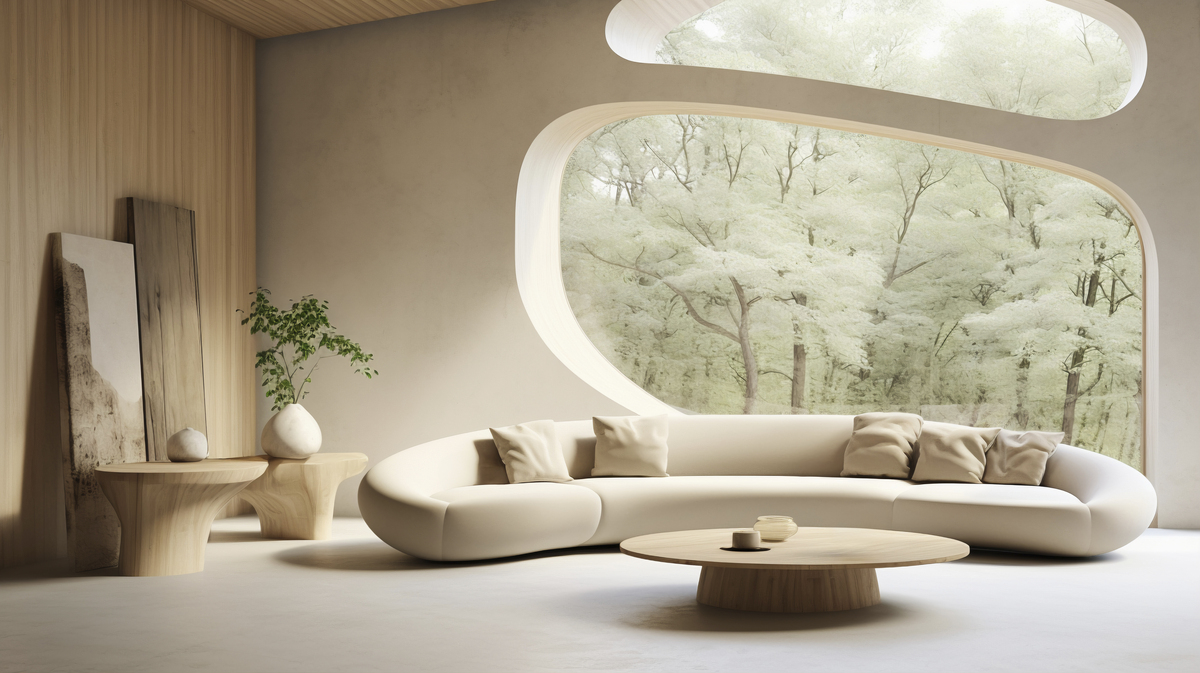
Date: March 22, 2026
A minimalist living room is all about simplicity, functionality, and elegance. By focusing on clean lines, neutral colors, and carefully selected furniture, you can create a space that feels calm, modern, and comfortable. Minimalist design doesn’t mean empty or boring it means choosing items inten ...
Ala Land Bali — a magical place for the real you
BECOME PART OF THE HISTORY Share your contact details, and our manager will reach out
with full project details