


The Behavior of Gen Z in Purchasing Their First Home
Generation Z generally defined as individuals born between the mid-1990s and early 2010s is beginning to enter the housing market. Although many members of Gen Z are still in the early stages of their careers, a growing number are already considering or actively planning to purchase their first home. Their behavior as homebuyers is shaped by unique economic conditions, digital habits, social values, and lifestyle preferences that differentiate them from Millennials and previous generations.
Financial Awareness and Caution
One of the most prominent characteristics of Gen Z homebuyers is their strong financial awareness. Growing up during periods of economic uncertainty, global pandemics, and rising living costs has made Gen Z more cautious about long-term financial commitments. Before purchasing a home, they tend to research extensively, calculate affordability carefully, and prioritize financial stability.
Gen Z buyers are highly sensitive to home prices, mortgage interest rates, and monthly installments. Many prefer smaller or more affordable properties as a way to minimize debt and reduce financial risk. They are also more likely to delay homeownership until they feel confident about their income stability, savings, and emergency funds.
Digital-First Research Behavior
As true digital natives, Gen Z relies heavily on online platforms throughout the home-buying journey. Property search websites, mobile apps, social media, and video platforms play a central role in how they discover, compare, and evaluate housing options. Virtual tours, drone videos, and detailed online listings are often preferred over traditional brochures or newspaper advertisements.
Social media platforms such as Instagram, TikTok, and YouTube influence Gen Z’s perception of ideal homes, interior design trends, and neighborhood lifestyles. Reviews, testimonials, and recommendations from online communities are considered highly credible, sometimes even more than advice from traditional real estate agents.
Preference for Practical and Flexible Living Spaces
Gen Z tends to prioritize functionality over size. Rather than large homes, they often look for compact, well-designed spaces that can adapt to multiple uses. Flexible layouts that allow rooms to function as home offices, study areas, or creative spaces are particularly attractive.
This preference is closely linked to remote and hybrid working trends. Many Gen Z buyers value homes that support work-from-home arrangements, including reliable internet infrastructure, good lighting, and quiet environments. Practicality, efficiency, and comfort are more important than luxury or status-driven features.
Location and Accessibility Considerations
When choosing a location, Gen Z buyers often focus on accessibility and lifestyle convenience. Proximity to public transportation, workplaces, educational institutions, and essential services is a key factor. Walkable neighborhoods with access to cafes, green spaces, and community facilities are especially appealing.
Unlike previous generations that prioritized suburban living, many Gen Z buyers are open to urban or semi-urban locations, as long as the area supports mobility and social interaction. However, affordability remains a decisive factor, often pushing them to consider emerging or developing areas with growth potential.
Sustainability and Social Values
Environmental awareness plays a significant role in Gen Z’s purchasing decisions. Many prefer homes that incorporate sustainable features such as energy-efficient appliances, natural lighting, good ventilation, and environmentally friendly materials. Green spaces and eco-conscious neighborhood planning also add to a property’s appeal. Beyond environmental concerns, Gen Z is attracted to developers and brands that demonstrate transparency, ethical practices, and social responsibility. Trust and authenticity strongly influence their decision-making process, making clear communication and honest marketing essential.
Trust in Peer Influence Over Traditional Advertising
Gen Z places high value on peer opinions and real-life experiences shared online. They are more likely to trust user-generated content, reviews, and personal stories than traditional advertisements. Influencers, content creators, and online forums often shape their expectations and preferences regarding homeownership. As a result, storytelling and educational content such as guides on buying a first home, financial planning tips, and behind-the-scenes development updates are more effective than direct sales-driven messaging.
The behavior of Gen Z in purchasing their first home reflects a generation that is cautious, digitally driven, value-oriented, and socially aware. They prioritize affordability, flexibility, sustainability, and transparency while relying heavily on digital platforms and peer influence. Understanding these characteristics is crucial for developers, real estate agents, and policymakers who aim to engage and support Gen Z as they enter the housing market. As their purchasing power grows, Gen Z is likely to reshape housing trends and redefine what “ideal homeownership” means in the years to come.
Date: April 01, 2026
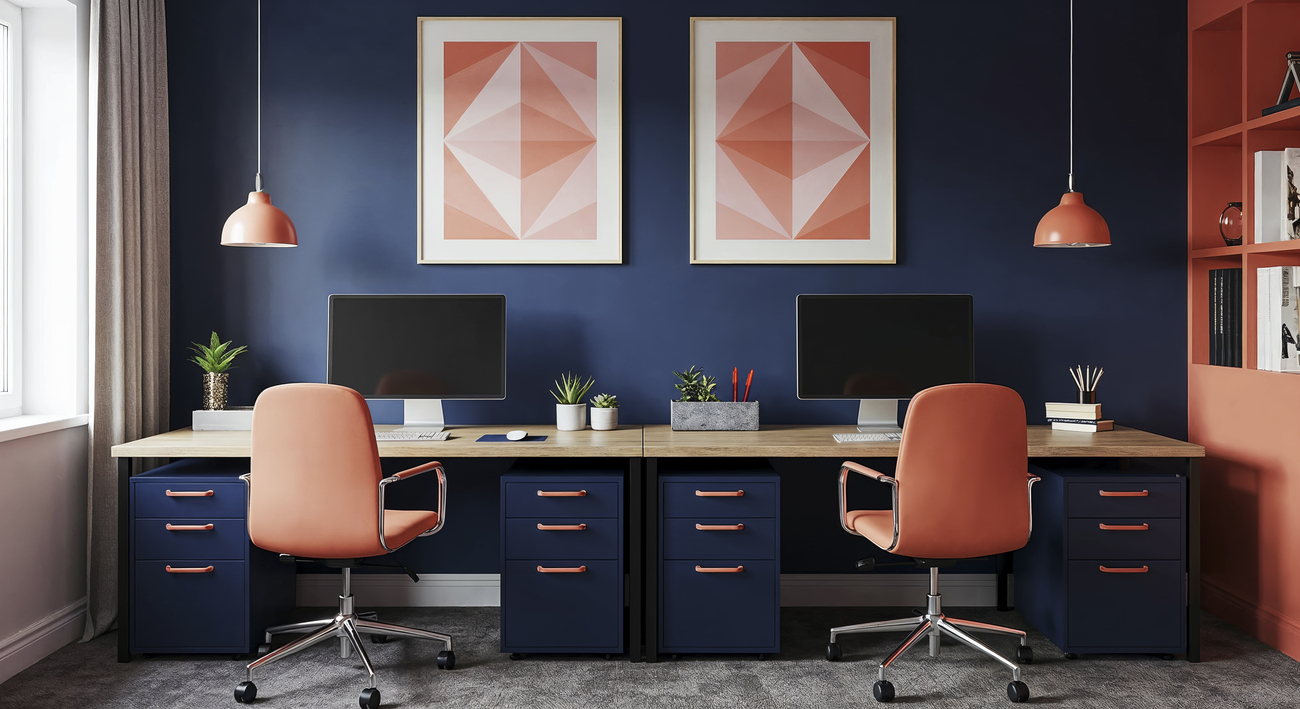
In recent years, the way people live, work, and interact within their homes has undergone a significant transformation. Driven by technological advancements, remote work trends, and evolving family dynamics, the concept of a home is no longer limited to a place for rest. Today, homes are expected to ...
Date: April 02, 2026
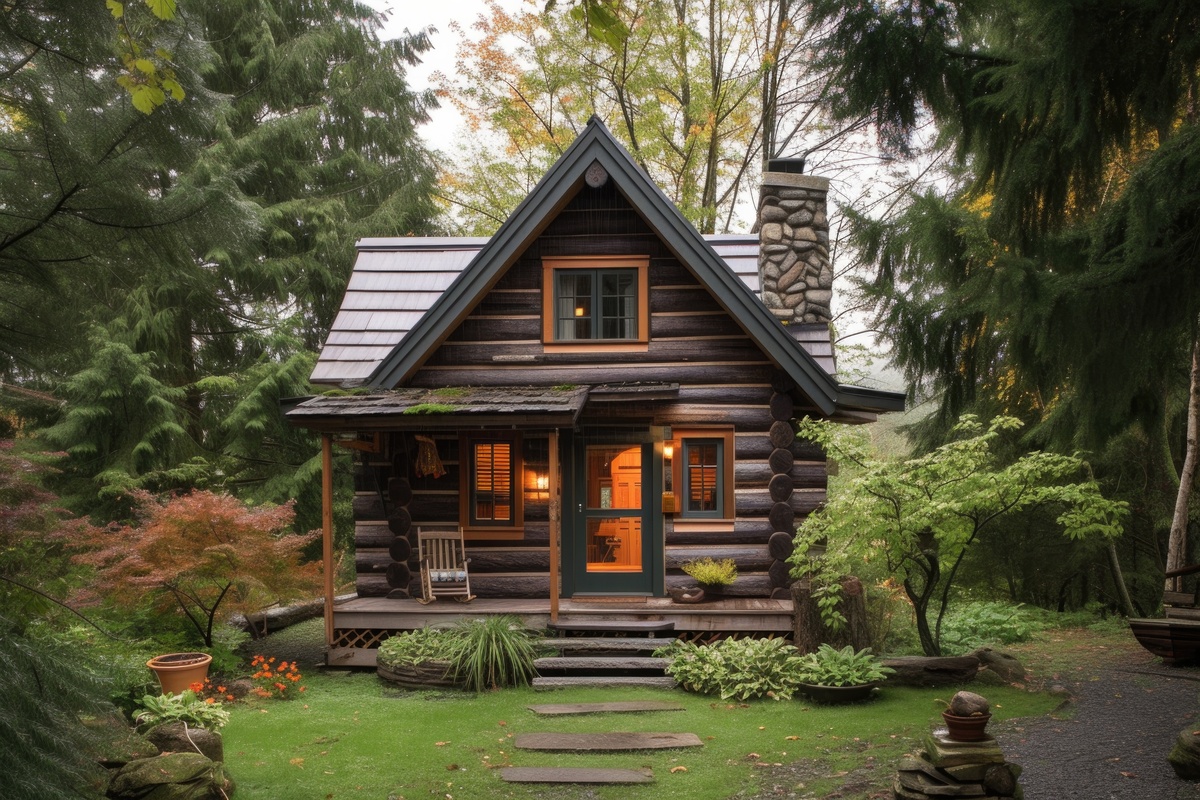
In recent years, a noticeable shift has occurred in the way people design and inhabit their living spaces. Across cities and even suburban areas, homes are becoming smaller. This trend, often referred to as compact living, reflects changing economic realities, evolving lifestyles, and growing enviro ...
Date: April 03, 2026
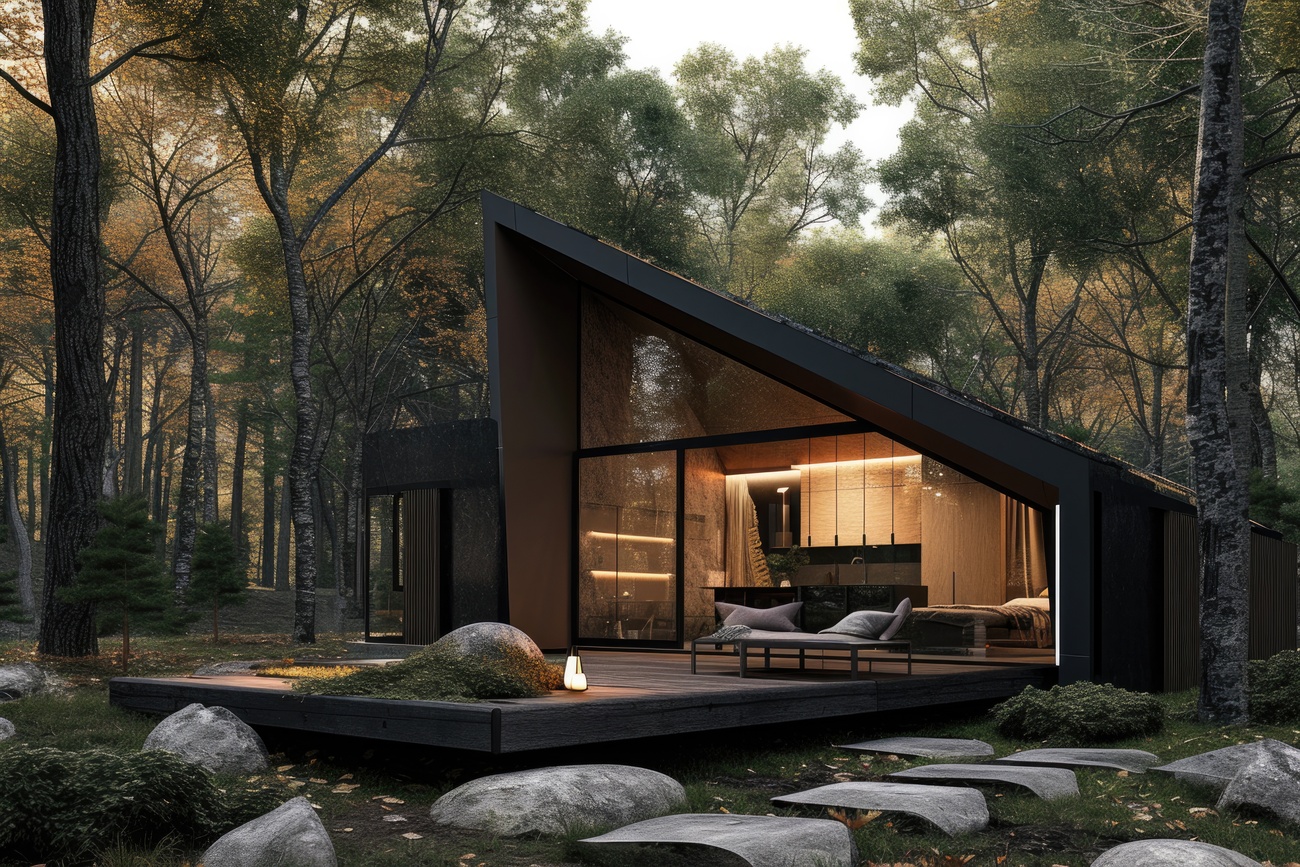
In recent years, the housing market has undergone significant transformation, giving rise to innovative models that respond to shifting economic realities and lifestyle preferences. One of the most notable developments is the “Build-to-Rent” (BTR) trend a housing concept where properties are ...
Date: March 21, 2026
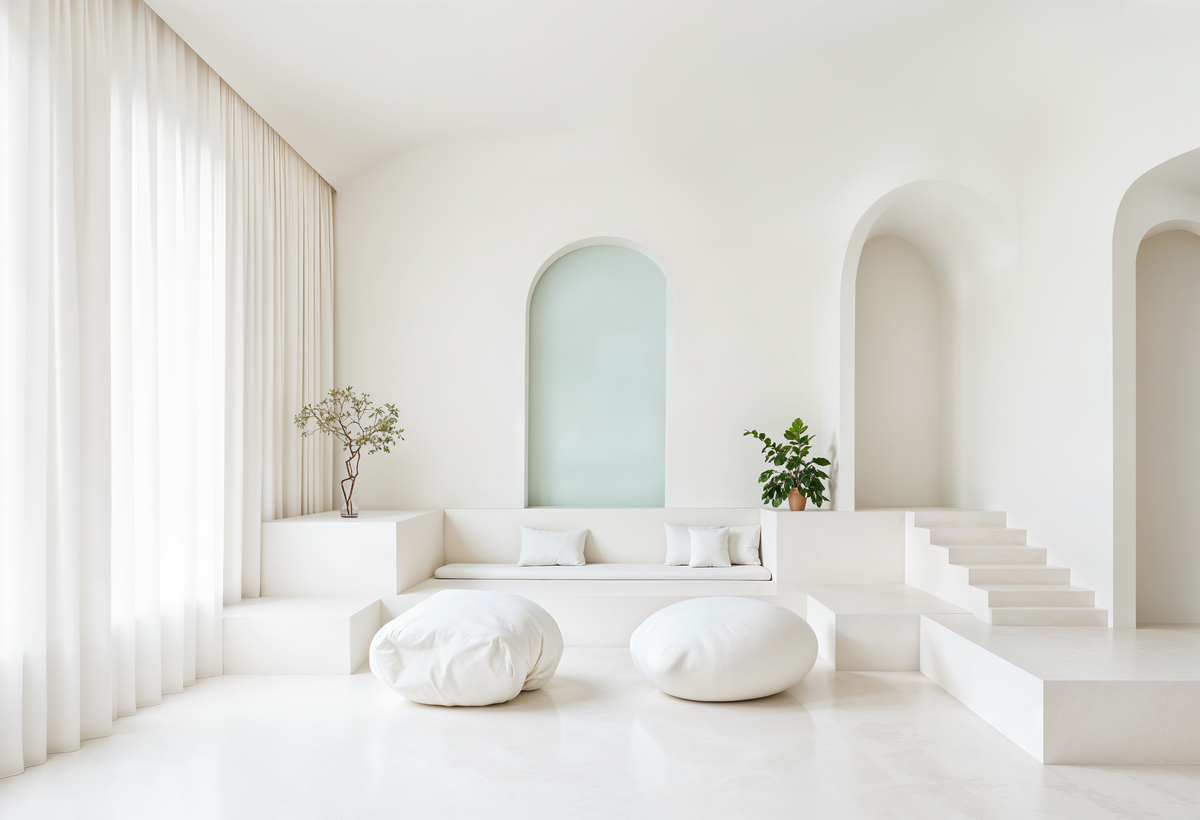
Choosing the right paint color can dramatically change how a house looks and feels. Even with simple furniture and décor, the right color palette can make a home appear elegant, luxurious, and high-end. Many interior designers agree that certain colors have a natural ability to create a sophisticat ...

Date: March 22, 2026
A minimalist living room is all about simplicity, functionality, and elegance. By focusing on clean lines, neutral colors, and carefully selected furniture, you can create a space that feels calm, modern, and comfortable. Minimalist design doesn’t mean empty or boring it means choosing items inten ...
Ala Land Bali — a magical place for the real you
BECOME PART OF THE HISTORY Share your contact details, and our manager will reach out
with full project details