


The Ghost of Property Inflation: Can Housing Prices Really Rise Without Limit?
For decades, homeowners and investors have believed that property prices will always go up. It’s a comforting narrative real estate is limited, populations grow, and land is a safe store of value. But recently, concerns about affordability, economic uncertainty, and market corrections have sparked a debate: Is the “ghost of property inflation” real, or is it an outdated myth?
The Myth of Endless Growth
Many people assume housing prices have no ceiling. This belief is fueled by several long-term trends: Urban population growth, especially in major cities. Limited land supply, pushing values higher. Real estate as a preferred investment, especially during economic volatility. Government incentives and cheap loans, which historically encouraged buying. These factors create an impression that prices can only rise but history shows otherwise.
When Property Prices Hit a Wall
While long-term growth is common, there have been moments when housing markets stalled—or even reversed: The 2008 global financial crisis, which wiped out trillions in property value. Japan’s 1990s real estate bubble, where prices took decades to recover. Recent slowdowns in countries like China, Australia, and Canada, where oversupply and high interest rates cooled demand. These events remind us that real estate is not invincible. Prices are influenced by economic cycles, government policies, and consumer behavior.
What Drives Inflation in Property?
The “inflation ghost” appears when multiple forces align at once: Low interest rates → more borrowing → higher demand. Investors buying aggressively → reduced supply for regular buyers. Speculation and flipping → artificial price hikes. High construction costs → developers pass expenses to buyers. When these factors intensify, housing inflation feels unstoppable.
Can Prices Really Rise Forever?
In reality, property prices have limits, shaped by: Income levels: Buyers can only pay so much. Interest rates: Higher rates reduce borrowing power. Government regulations: Taxes, quotas, or loan restrictions can slow growth. Market saturation: When prices outpace wages, demand slows sharply. Housing markets may grow in the long run, but not without fluctuations, corrections, or pauses.
The Future: Sustainable or Unsustainable Growth?
Looking ahead, several trends could reshape how property inflation behaves: Younger generations prioritize affordability and mobility, not ownership at any cost. Remote work reduces pressure on big-city housing, shifting demand outward. Green and smart buildings increase construction costs, but also long-term value. AI and data-driven real estate could reduce speculation by making markets more transparent. These dynamics might reduce extreme inflation but they could also create new forms of market pressure.
The Ghost Is Real, But Not Immortal. Property inflation can feel like a haunting force persistent, unpredictable, and powerful. But it is not unstoppable. Economic cycles, policies, and human behavior all influence whether prices rise, stall, or fall. The key is not to fear the “ghost,” but to understand it. Real estate remains a strong long-term asset, but like all investments, it lives within economic limits.
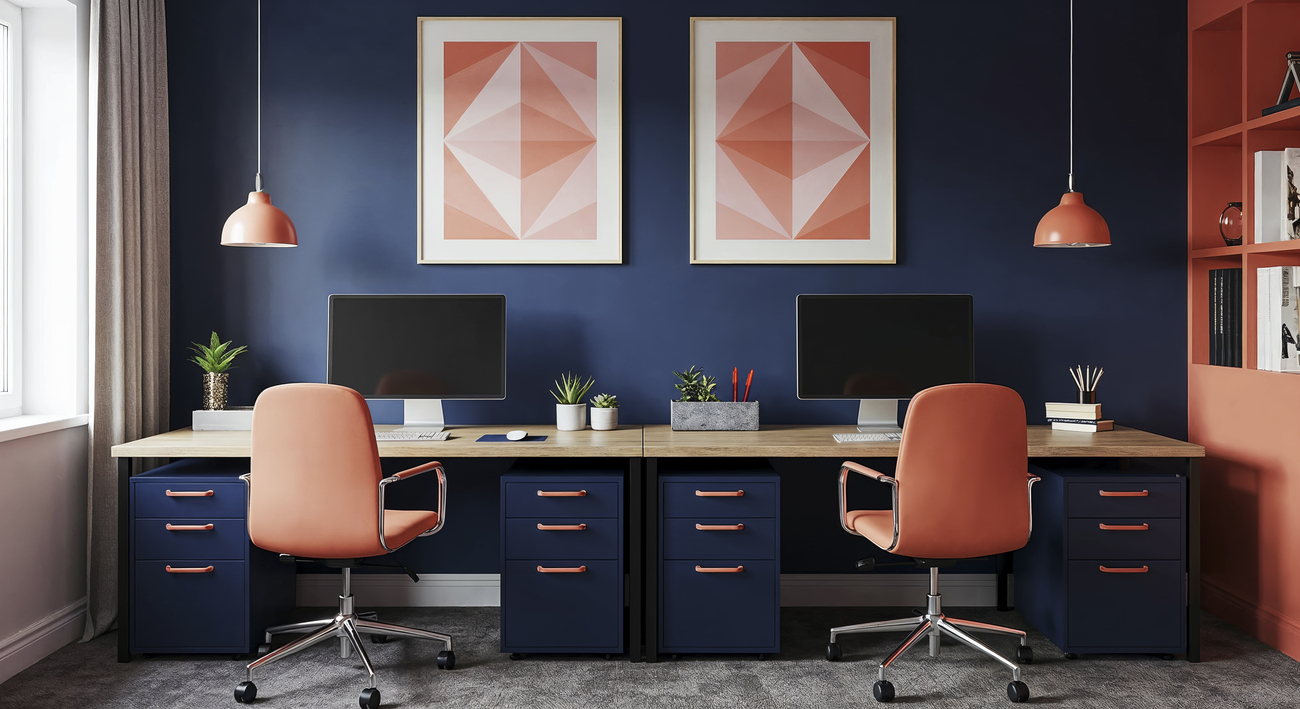
Date: April 01, 2026
In recent years, the way people live, work, and interact within their homes has undergone a significant transformation. Driven by technological advancements, remote work trends, and evolving family dynamics, the concept of a home is no longer limited to a place for rest. Today, homes are expected to ...
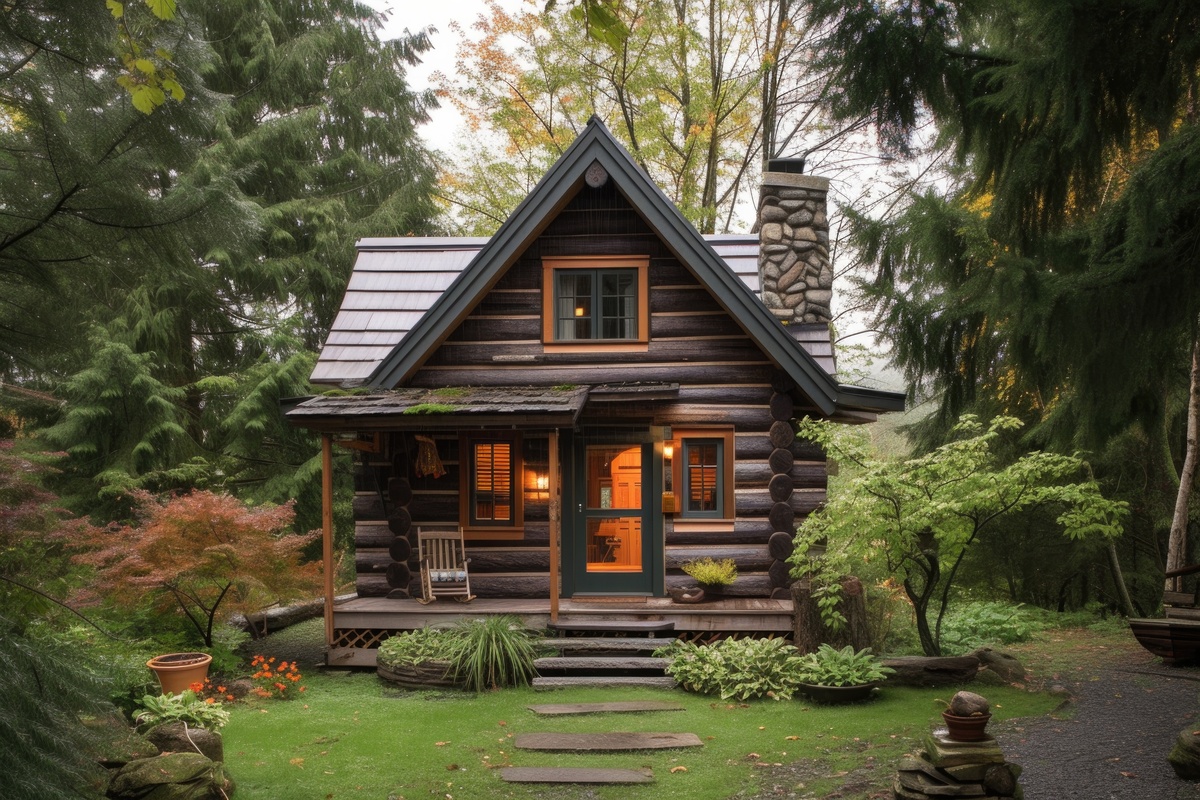
Date: April 02, 2026
In recent years, a noticeable shift has occurred in the way people design and inhabit their living spaces. Across cities and even suburban areas, homes are becoming smaller. This trend, often referred to as compact living, reflects changing economic realities, evolving lifestyles, and growing enviro ...
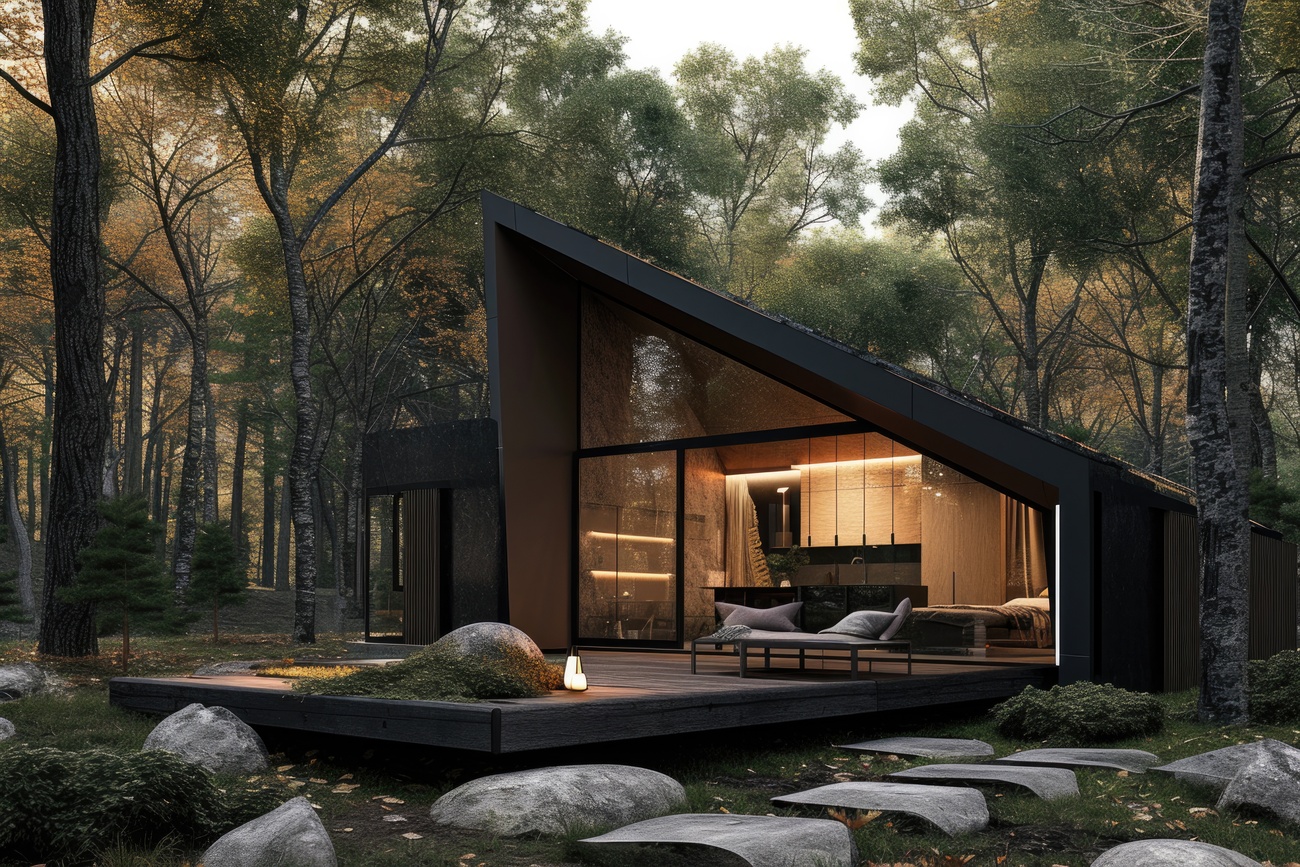
Date: April 03, 2026
In recent years, the housing market has undergone significant transformation, giving rise to innovative models that respond to shifting economic realities and lifestyle preferences. One of the most notable developments is the “Build-to-Rent” (BTR) trend a housing concept where properties are ...
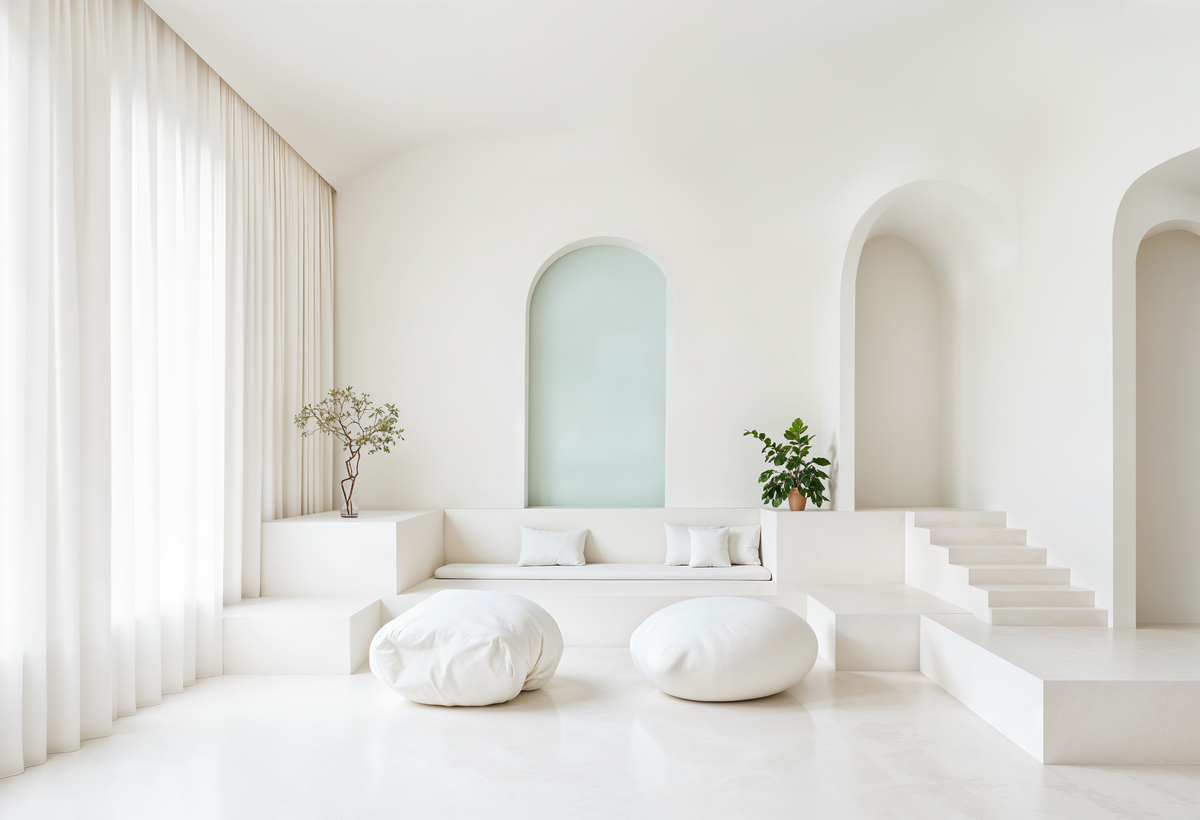
Date: March 21, 2026
Choosing the right paint color can dramatically change how a house looks and feels. Even with simple furniture and décor, the right color palette can make a home appear elegant, luxurious, and high-end. Many interior designers agree that certain colors have a natural ability to create a sophisticat ...
Date: March 22, 2026
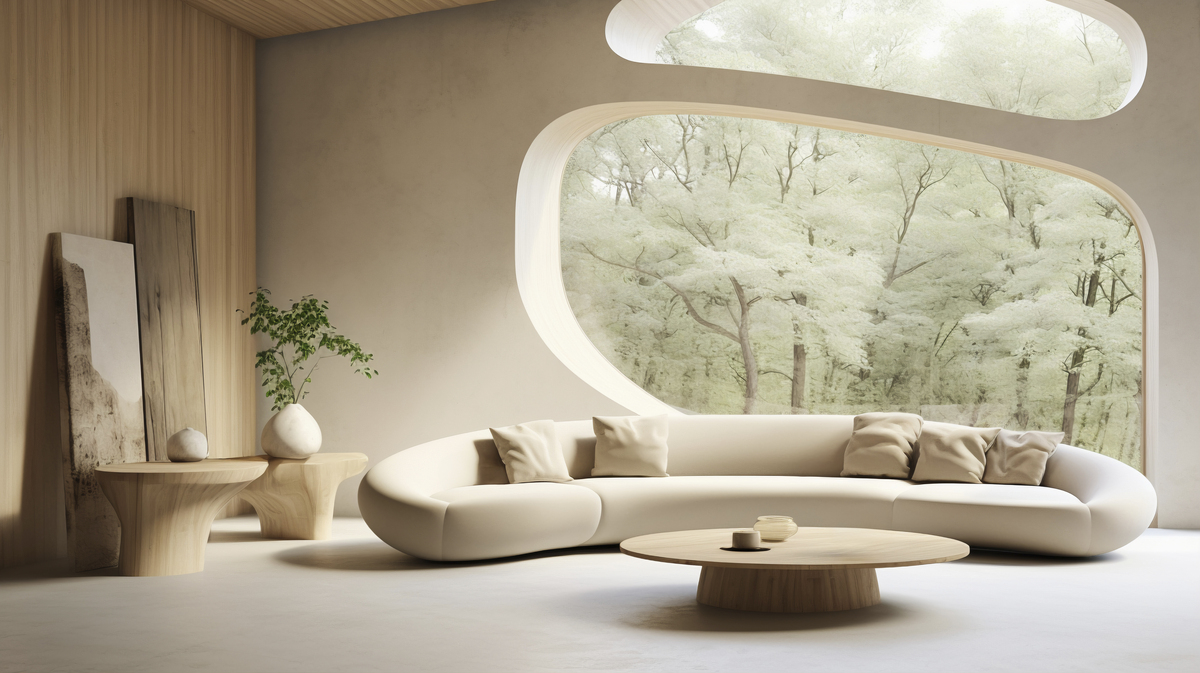
A minimalist living room is all about simplicity, functionality, and elegance. By focusing on clean lines, neutral colors, and carefully selected furniture, you can create a space that feels calm, modern, and comfortable. Minimalist design doesn’t mean empty or boring it means choosing items inten ...
Ala Land Bali — a magical place for the real you
BECOME PART OF THE HISTORY Share your contact details, and our manager will reach out
with full project details