

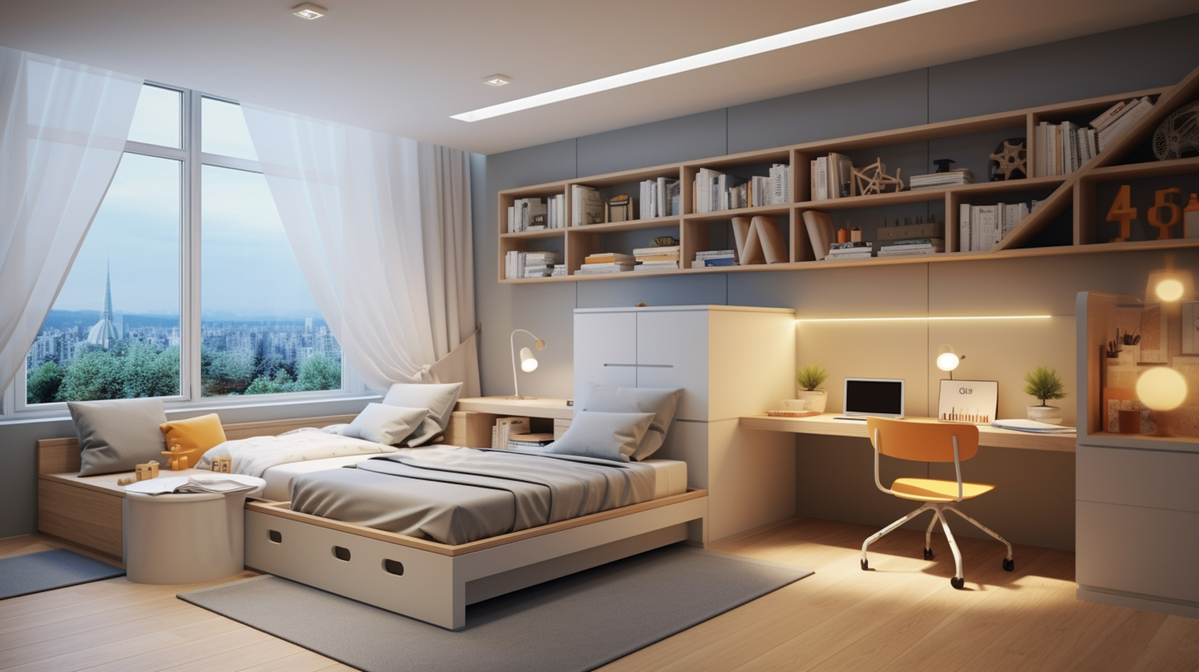
Tips for Beginners: How to Start Investing in Boarding Houses
Investing in a boarding house (often called a kost property) can be a profitable long-term strategy, especially in areas near universities, offices, hospitals, or industrial zones. For beginners, however, the process can feel overwhelming. Here are essential tips to help you start your boarding house investment with confidence.
1. Understand Your Target Market
Before buying or building a boarding house, identify who your tenants will be. Students usually look for affordable rooms, strong Wi-Fi, and easy access to campus. Young professionals prefer comfort, privacy, and good security. Short-term workers may prioritize flexible rental periods. Knowing your target market will guide your decisions on pricing, room size, layout, and facilities.
2. Choose the Right Location
Location is the most important factor in boarding house investment. Look for: Proximity to universities, business districts, or industrial areas. Easy access to public transportation. Availability of food stalls, minimarkets, and laundry services nearby. A neighborhood with good safety and stable demand. A strategic location ensures consistent occupancy and higher rental income.
3. Calculate Your Budget and Cash Flow
Create a clear financial plan before investing. Consider these costs: property purchase or land acquisition, construction or renovation, furniture and amenities, legal documents and permits, maintenance and operational expenses. Estimate how much rent you can charge and forecast your monthly cash flow. Ensure the rental income can cover expenses and still give you profit.
4. Start with a Manageable Scale
For beginners, it’s wise not to start too big. Begin with 5–10 rooms or renovate an existing house to create rentable units. This minimizes risk and makes it easier to learn how to manage tenants, maintenance, and finances before expanding.
5. Provide Essential Facilities
Tenants often compare facilities before choosing a boarding house. Some basic features to consider include: strong and stable Wi-Fi, clean shared or private bathrooms, adequate ventilation and natural lighting. Good security: CCTV, gates, or access cards, laundry areas, parking space, and communal areas if needed. Quality facilities can help you charge higher rent and retain tenants longer.
6. Ensure Legal Compliance
Make sure the property follows local regulations. This includes: property ownership documents, building permits (IMB/PBG), fire safety requirements, local business licenses (if required). Proper documentation protects you from legal issues and supports smooth operations.
7. Consider Using Property Management
If you don’t have the time to handle tenant complaints, rent collection, cleaning, and maintenance, consider hiring a property manager. Although it has a cost, it gives you peace of mind and ensures the boarding house is managed professionally.
8. Market Your Boarding House Effectively
Use online platforms, social media, and property listing websites to promote your rooms. Add: clear photos, complete details, monthly and yearly rent options, contact information, maps and location points, good marketing helps your property stand out and attract more tenants.
9. Maintain Good Relationships with Tenants
Friendly and responsive communication encourages tenants to stay longer and recommend your boarding house to others. Handle issues quickly and maintain cleanliness and safety to build trust and satisfaction.
Starting a boarding house investment may seem challenging at first, but with proper planning, the right location, and good management, it can become a steady and profitable income source. Begin with small steps, learn from experience, and gradually expand your investment.
Date: April 01, 2026
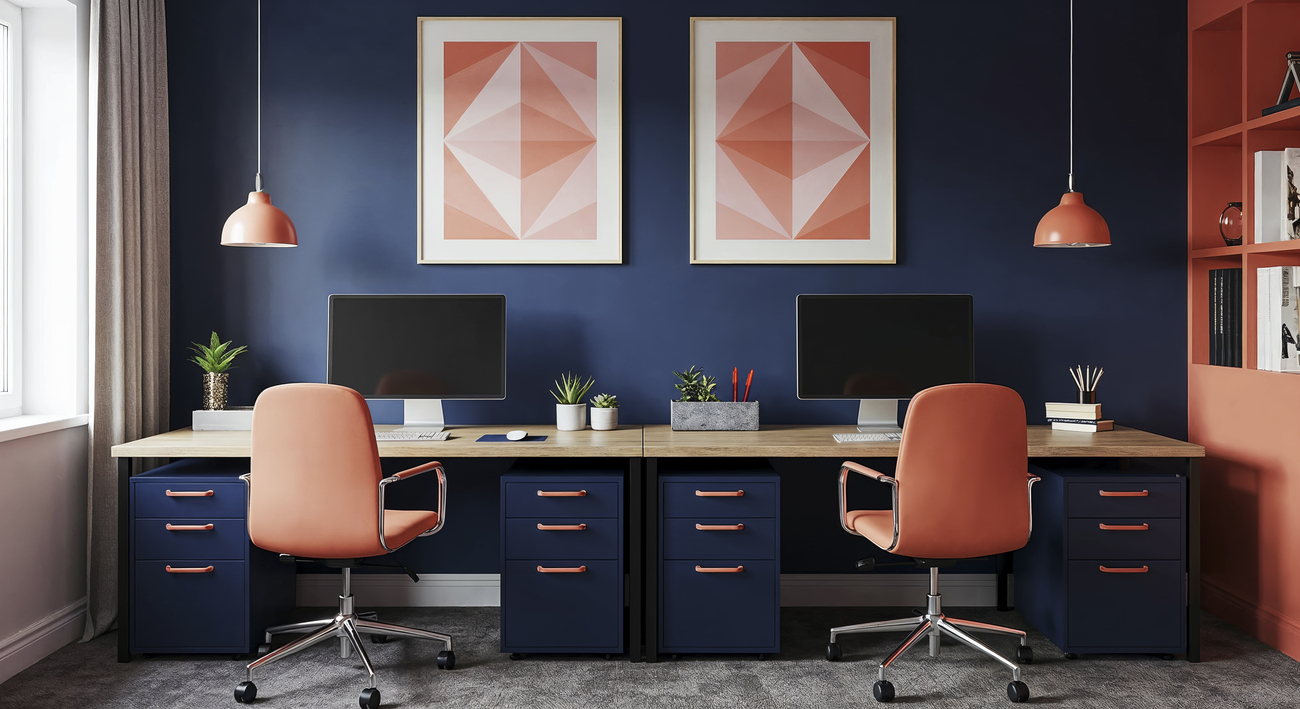
In recent years, the way people live, work, and interact within their homes has undergone a significant transformation. Driven by technological advancements, remote work trends, and evolving family dynamics, the concept of a home is no longer limited to a place for rest. Today, homes are expected to ...
Date: April 02, 2026
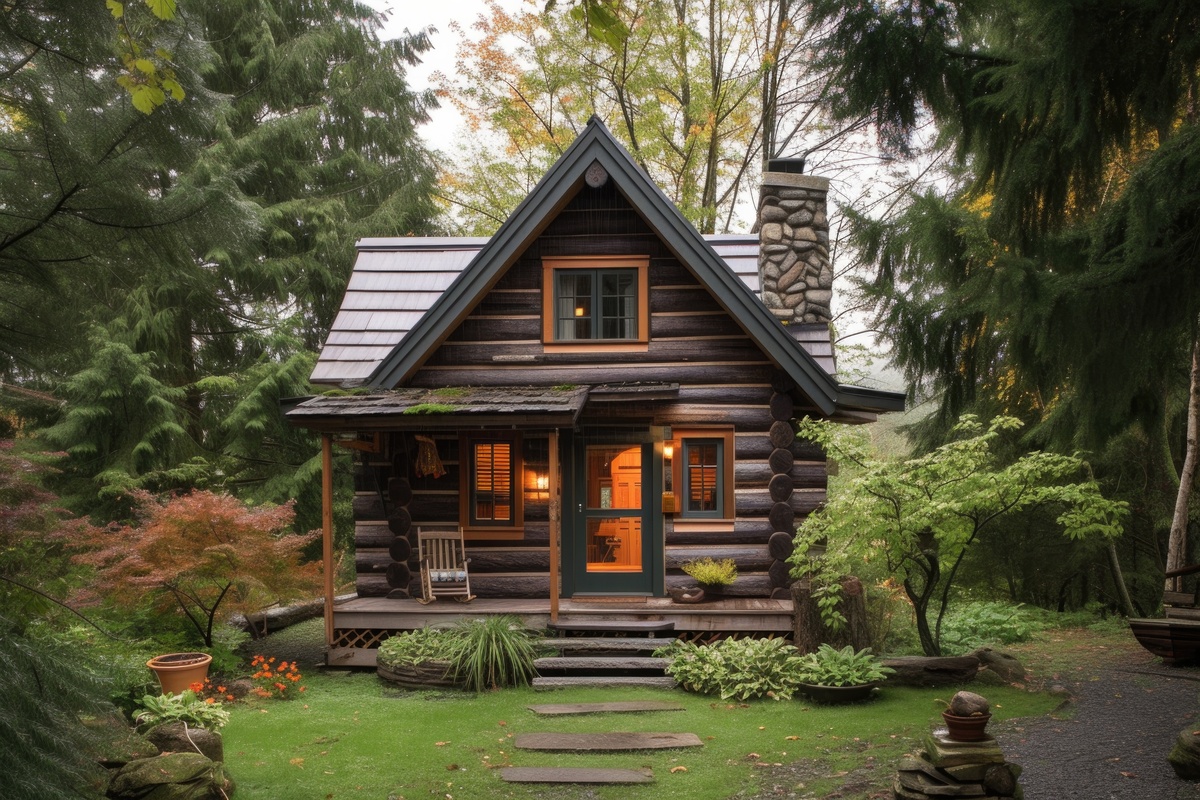
In recent years, a noticeable shift has occurred in the way people design and inhabit their living spaces. Across cities and even suburban areas, homes are becoming smaller. This trend, often referred to as compact living, reflects changing economic realities, evolving lifestyles, and growing enviro ...
Date: April 03, 2026
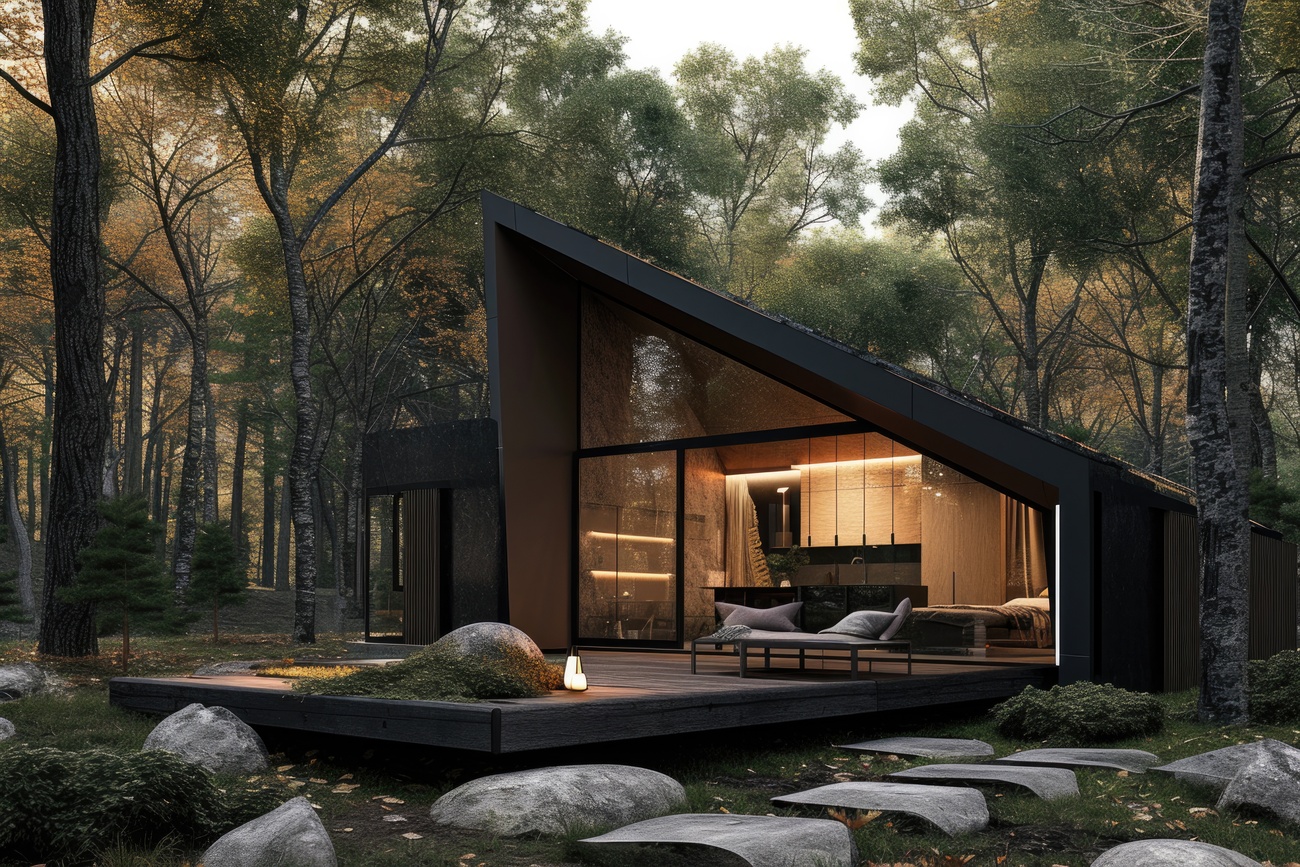
In recent years, the housing market has undergone significant transformation, giving rise to innovative models that respond to shifting economic realities and lifestyle preferences. One of the most notable developments is the “Build-to-Rent” (BTR) trend a housing concept where properties are ...
Date: March 21, 2026
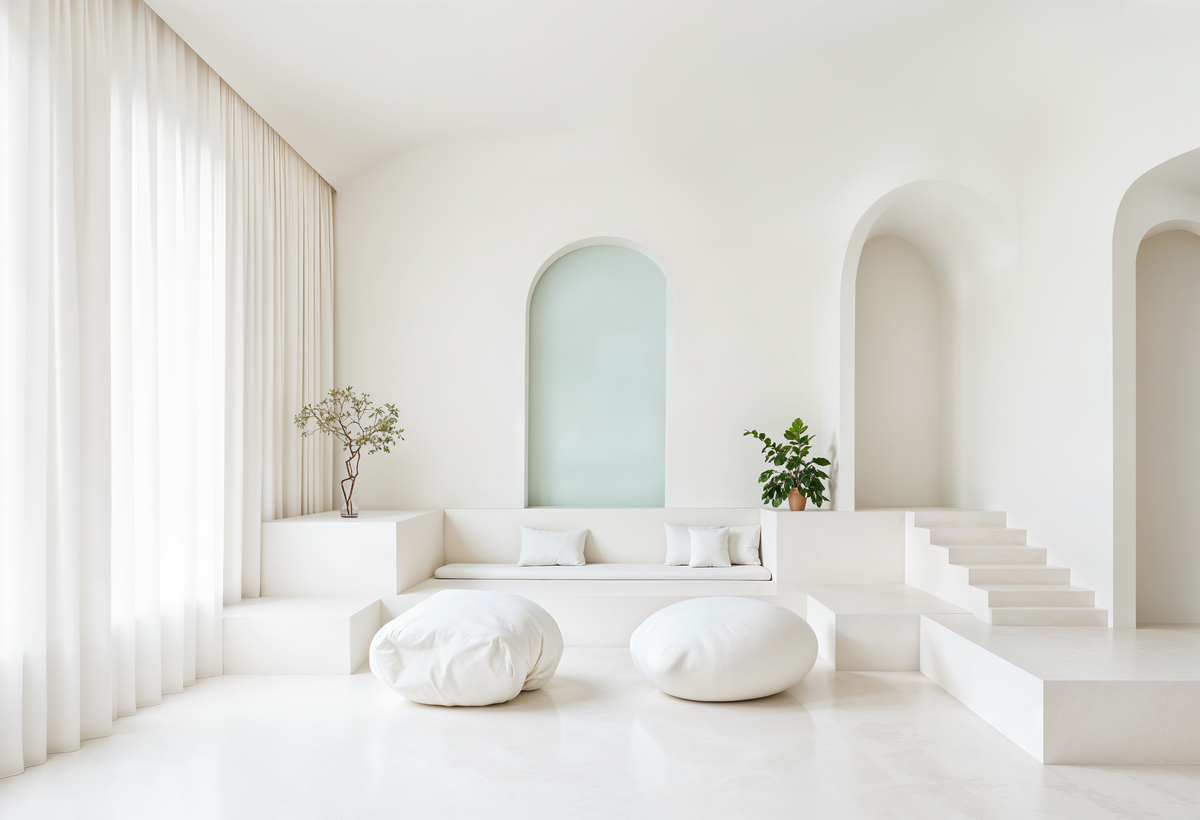
Choosing the right paint color can dramatically change how a house looks and feels. Even with simple furniture and décor, the right color palette can make a home appear elegant, luxurious, and high-end. Many interior designers agree that certain colors have a natural ability to create a sophisticat ...

Date: March 22, 2026
A minimalist living room is all about simplicity, functionality, and elegance. By focusing on clean lines, neutral colors, and carefully selected furniture, you can create a space that feels calm, modern, and comfortable. Minimalist design doesn’t mean empty or boring it means choosing items inten ...
Ala Land Bali — a magical place for the real you
BECOME PART OF THE HISTORY Share your contact details, and our manager will reach out
with full project details