


Tips for Building a Strong House in Disaster-Prone Areas
Building a home in an area that is vulnerable to natural disasters such as earthquakes, floods, or strong winds requires careful planning and the right construction strategies. A well-designed house not only provides comfort but also ensures safety for its occupants. Below are some essential tips for building a strong and resilient house in disaster-prone areas:
1. Choose the Right Location
Before starting construction, carefully evaluate the land and surrounding environment. Avoid areas too close to rivers, steep hills, or unstable ground. It is wise to consult with geologists or local authorities to ensure the land is safe and suitable for building.
2. Use Quality Building Materials
Strong materials are the foundation of a disaster-resistant house. Reinforced concrete, high-quality steel, and durable bricks are recommended. For wooden structures, use treated wood that is resistant to termites and moisture. Investing in reliable materials may cost more, but it provides long-term safety.
3. Apply Earthquake-Resistant Design
In earthquake-prone areas, the structural design should follow seismic building codes. This includes installing strong foundations, using flexible joints, and ensuring the load is evenly distributed. Simple shapes such as squares or rectangles are safer compared to complex designs.
4. Elevate the Structure in Flood-Prone Zones
If the area is often affected by floods, elevate the foundation above the highest recorded flood level. Proper drainage systems should also be installed around the house to prevent water from pooling.
5. Strengthen the Roof and Openings
Roofs are highly vulnerable during storms and high winds. Use lightweight but strong roofing materials and ensure they are securely fastened. Windows and doors should also be reinforced with durable frames and protective shutters if necessary.
6. Incorporate Ventilation and Emergency Exits
Good ventilation helps prevent dampness and mold after flooding. Additionally, provide easy-to-access emergency exits so that occupants can evacuate quickly in case of disaster.
7. Regular Maintenance and Inspection
Even a strong house can weaken over time without proper maintenance. Regularly check the foundation, roof, walls, and drainage systems. Immediate repair of cracks or leaks will prevent further damage during disasters.
8. Consult Professionals
Hire licensed architects and engineers who have experience in designing disaster-resistant buildings. Their expertise will ensure your house complies with local building regulations and safety standards.
Building a house in a disaster-prone area is not just about comfort, but about survival and safety. By choosing the right location, using strong materials, and applying disaster-resistant design, homeowners can significantly reduce risks and protect their families for years to come.
Date: April 01, 2026
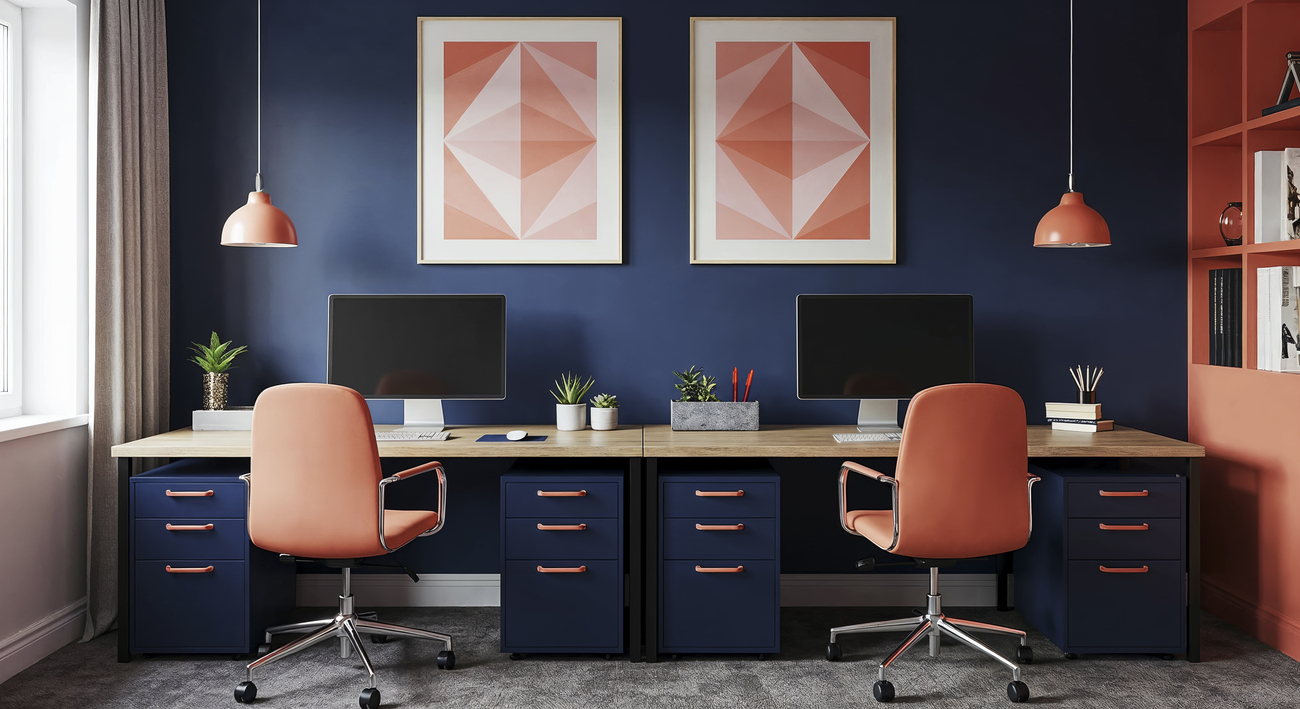
In recent years, the way people live, work, and interact within their homes has undergone a significant transformation. Driven by technological advancements, remote work trends, and evolving family dynamics, the concept of a home is no longer limited to a place for rest. Today, homes are expected to ...
Date: April 02, 2026
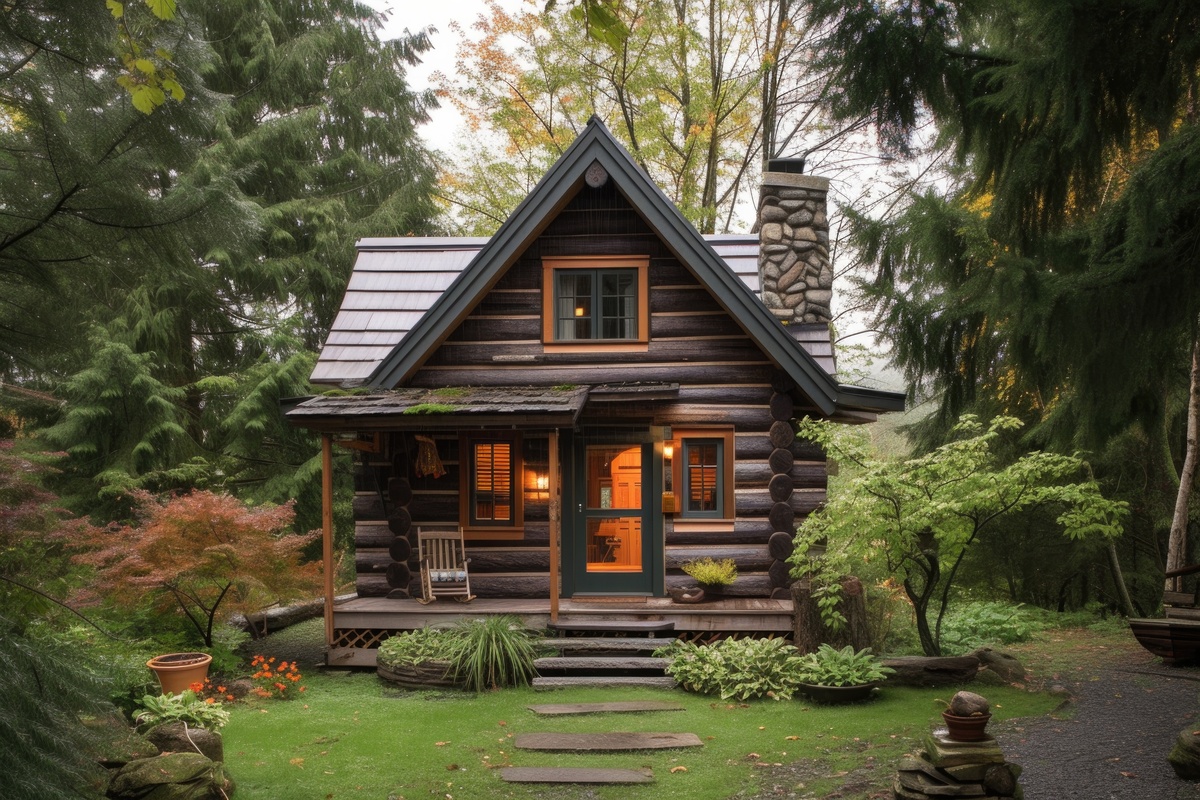
In recent years, a noticeable shift has occurred in the way people design and inhabit their living spaces. Across cities and even suburban areas, homes are becoming smaller. This trend, often referred to as compact living, reflects changing economic realities, evolving lifestyles, and growing enviro ...
Date: April 03, 2026
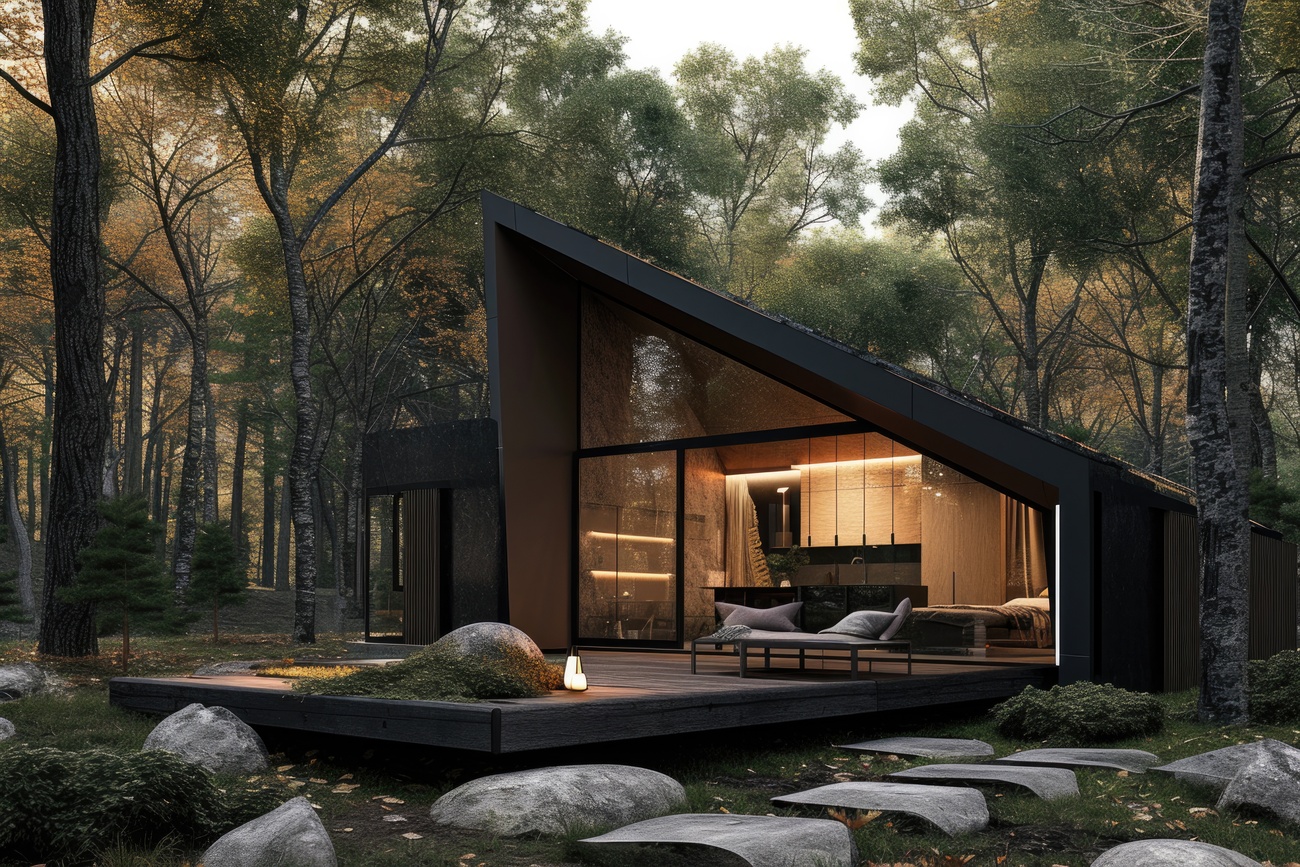
In recent years, the housing market has undergone significant transformation, giving rise to innovative models that respond to shifting economic realities and lifestyle preferences. One of the most notable developments is the “Build-to-Rent” (BTR) trend a housing concept where properties are ...
Date: March 21, 2026
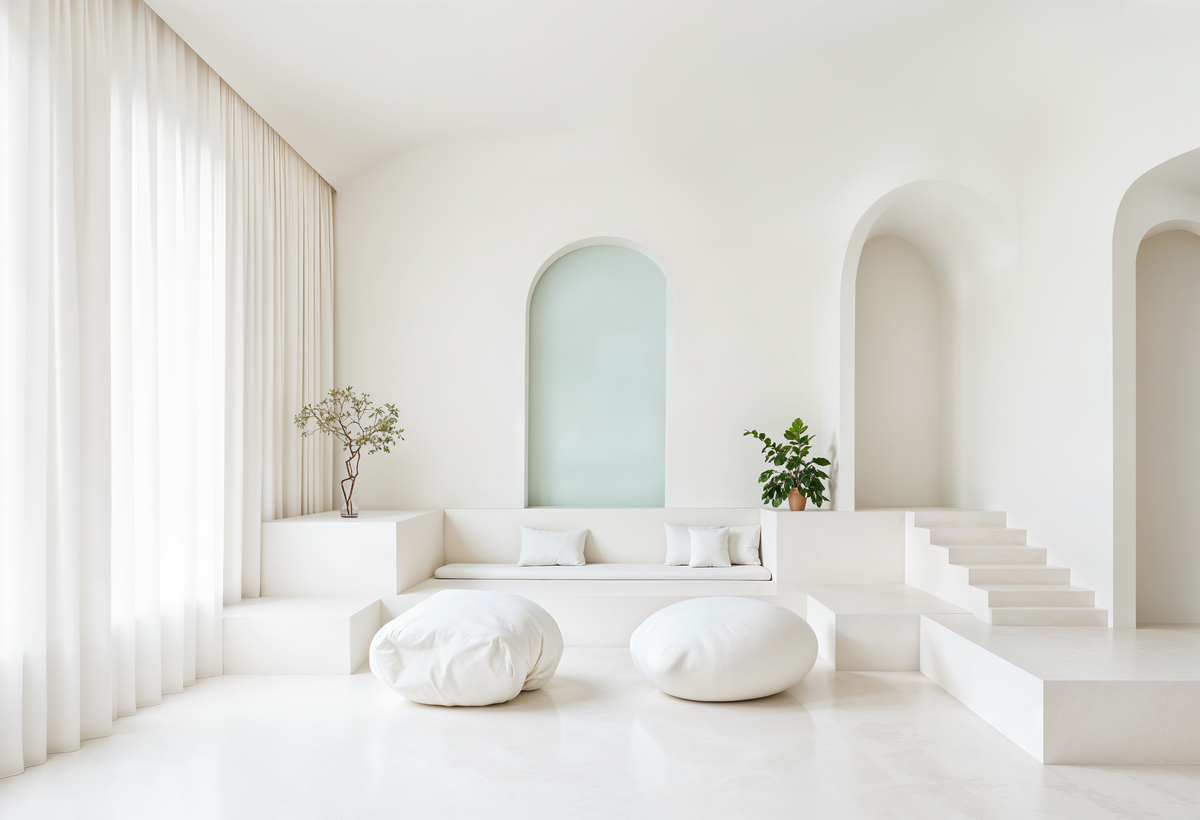
Choosing the right paint color can dramatically change how a house looks and feels. Even with simple furniture and décor, the right color palette can make a home appear elegant, luxurious, and high-end. Many interior designers agree that certain colors have a natural ability to create a sophisticat ...
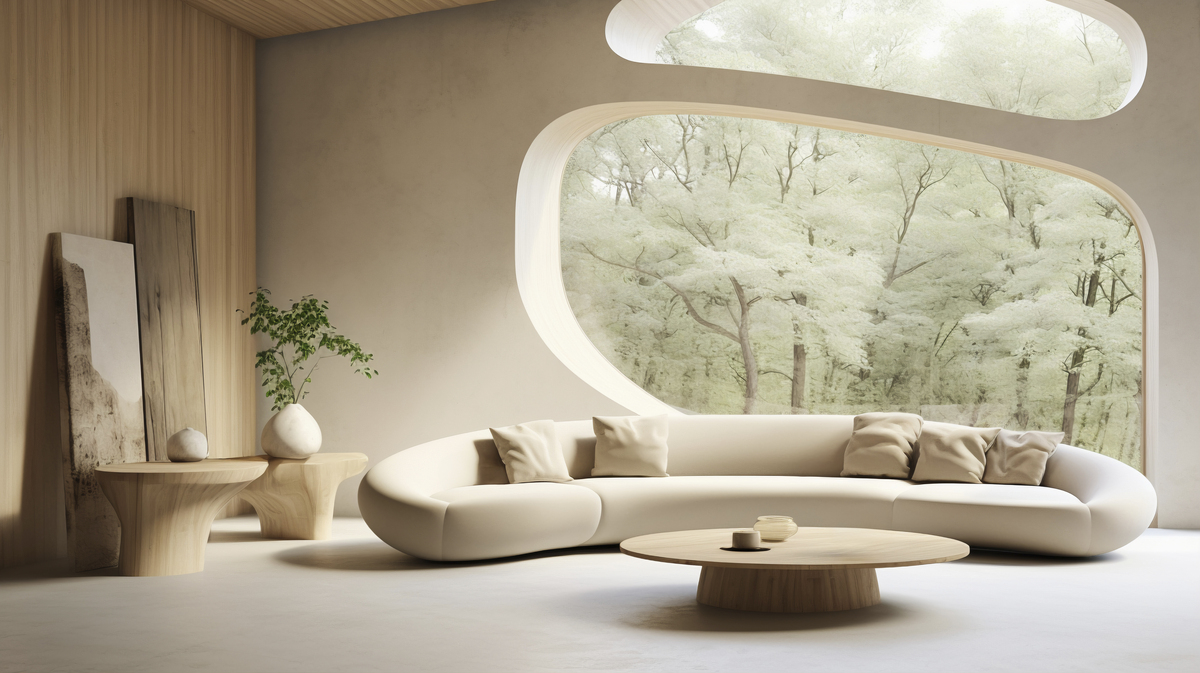
Date: March 22, 2026
A minimalist living room is all about simplicity, functionality, and elegance. By focusing on clean lines, neutral colors, and carefully selected furniture, you can create a space that feels calm, modern, and comfortable. Minimalist design doesn’t mean empty or boring it means choosing items inten ...
Ala Land Bali — a magical place for the real you
BECOME PART OF THE HISTORY Share your contact details, and our manager will reach out
with full project details