


Tips for Building an Earthquake-Resistant Home
Building an earthquake-resistant home is essential, especially in regions located on active seismic zones. A well-designed structure can significantly reduce damage and protect the safety of its occupants. Here are practical and effective tips to help ensure your new home can withstand earthquakes.
1. Choose the Right Location
The first step in creating an earthquake-resistant home is selecting a safe building site. Avoid areas near fault lines, steep slopes, or land prone to liquefaction. Conducting a geotechnical survey helps determine whether the soil is stable enough for construction.
2. Use Flexible Structural Materials
Earthquake-resistant buildings rely on materials that can bend without breaking. Steel, reinforced concrete, and engineered wood are commonly used because they offer flexibility and strength. These materials can absorb seismic energy better than rigid structures.
3. Apply Proper Structural Reinforcement
Reinforcement is crucial. Install rebar (steel reinforcement) in walls, foundations, and beams to improve durability. Shear walls and cross-bracing systems help distribute seismic forces evenly throughout the structure, preventing collapse.
4. Build a Strong Foundation
A sturdy foundation anchors the home and prevents excessive movement during an earthquake. Techniques such as building deep foundations, using reinforced concrete slabs, or incorporating base isolators can significantly reduce damage. Base isolators absorb seismic vibrations, allowing the house to move independently from the ground.
5. Secure the Roof Structure
Roofs should be lightweight and properly anchored. Heavy roofing materials increase the risk of collapse when the ground shakes. Using metal sheets or other light materials helps minimize risk, while proper fastening ensures the roof remains intact.
6. Ensure Proper Load Distribution
A symmetrical layout ensures that seismic forces are evenly distributed. Avoid irregular shapes or uneven floor plans because they can concentrate stress in certain areas. Simple, balanced designs are generally more resistant to earthquakes.
7. Install Quality Connections
Connections are often the weakest points in a building. Use high-quality bolts, straps, and anchors to secure joints between walls, floors, and roof components. Strong connections help the entire structure move as one unit during tremors.
8. Choose Earthquake-Resistant Fixtures
Heavy household items can become dangerous during an earthquake. Secure cabinets, water heaters, and shelves to walls. Use safety latches to prevent drawers from opening. These simple steps help reduce injuries inside the home.
9. Work With Experienced Professionals
Hiring architects, engineers, and builders experienced in seismic-resistant design is essential. They understand local building codes and can ensure your home meets required safety standards.
10. Regular Maintenance
Even the strongest house can deteriorate over time. Inspect the structure periodically to check for cracks, weakened joints, or foundation shifts. Regular maintenance ensures your home remains strong and earthquake-safe.

Date: April 01, 2026
In recent years, the way people live, work, and interact within their homes has undergone a significant transformation. Driven by technological advancements, remote work trends, and evolving family dynamics, the concept of a home is no longer limited to a place for rest. Today, homes are expected to ...
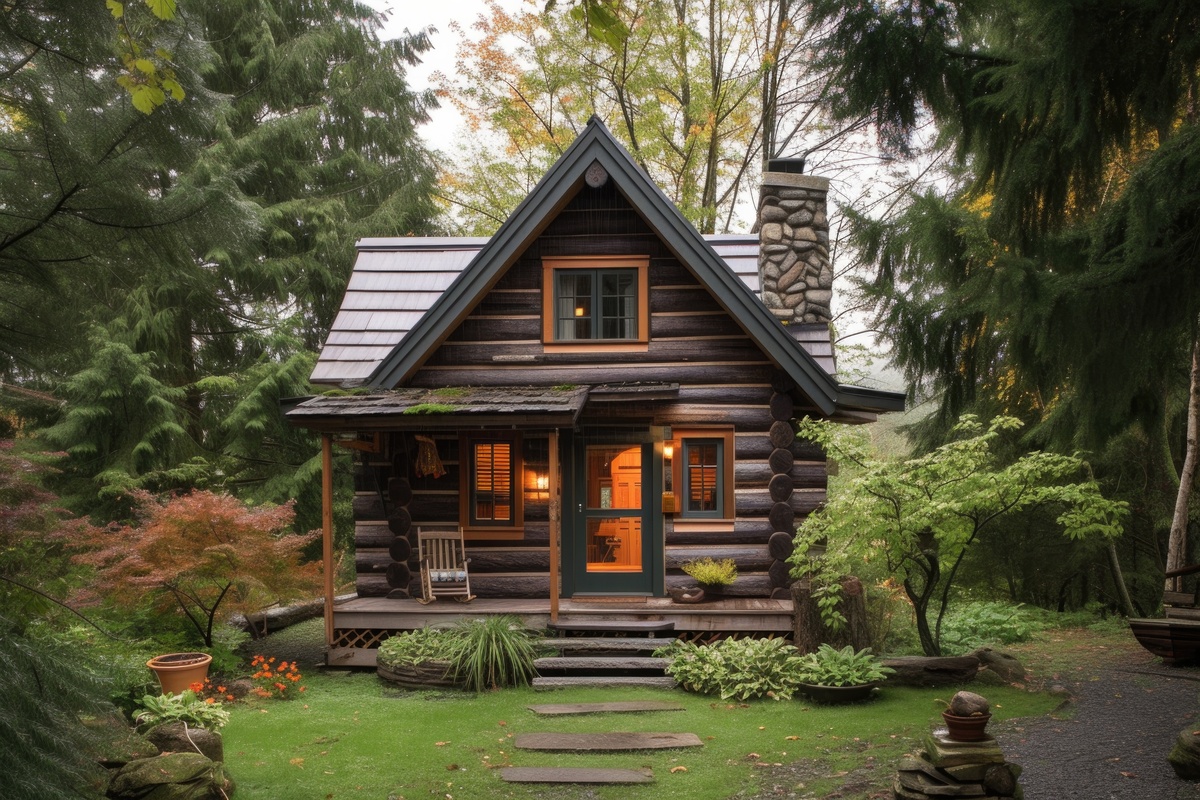
Date: April 02, 2026
In recent years, a noticeable shift has occurred in the way people design and inhabit their living spaces. Across cities and even suburban areas, homes are becoming smaller. This trend, often referred to as compact living, reflects changing economic realities, evolving lifestyles, and growing enviro ...

Date: April 03, 2026
In recent years, the housing market has undergone significant transformation, giving rise to innovative models that respond to shifting economic realities and lifestyle preferences. One of the most notable developments is the “Build-to-Rent” (BTR) trend a housing concept where properties are ...
Date: March 21, 2026
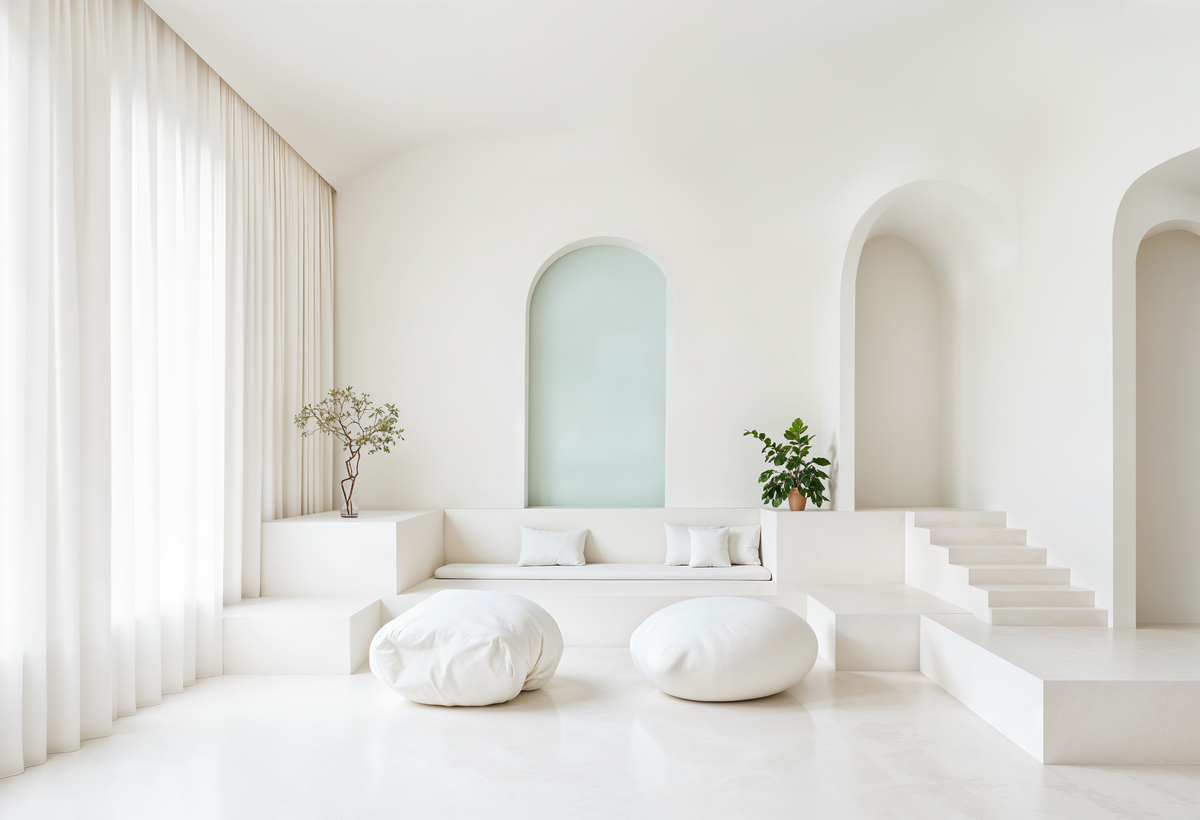
Choosing the right paint color can dramatically change how a house looks and feels. Even with simple furniture and décor, the right color palette can make a home appear elegant, luxurious, and high-end. Many interior designers agree that certain colors have a natural ability to create a sophisticat ...

Date: March 22, 2026
A minimalist living room is all about simplicity, functionality, and elegance. By focusing on clean lines, neutral colors, and carefully selected furniture, you can create a space that feels calm, modern, and comfortable. Minimalist design doesn’t mean empty or boring it means choosing items inten ...
Ala Land Bali — a magical place for the real you
BECOME PART OF THE HISTORY Share your contact details, and our manager will reach out
with full project details