

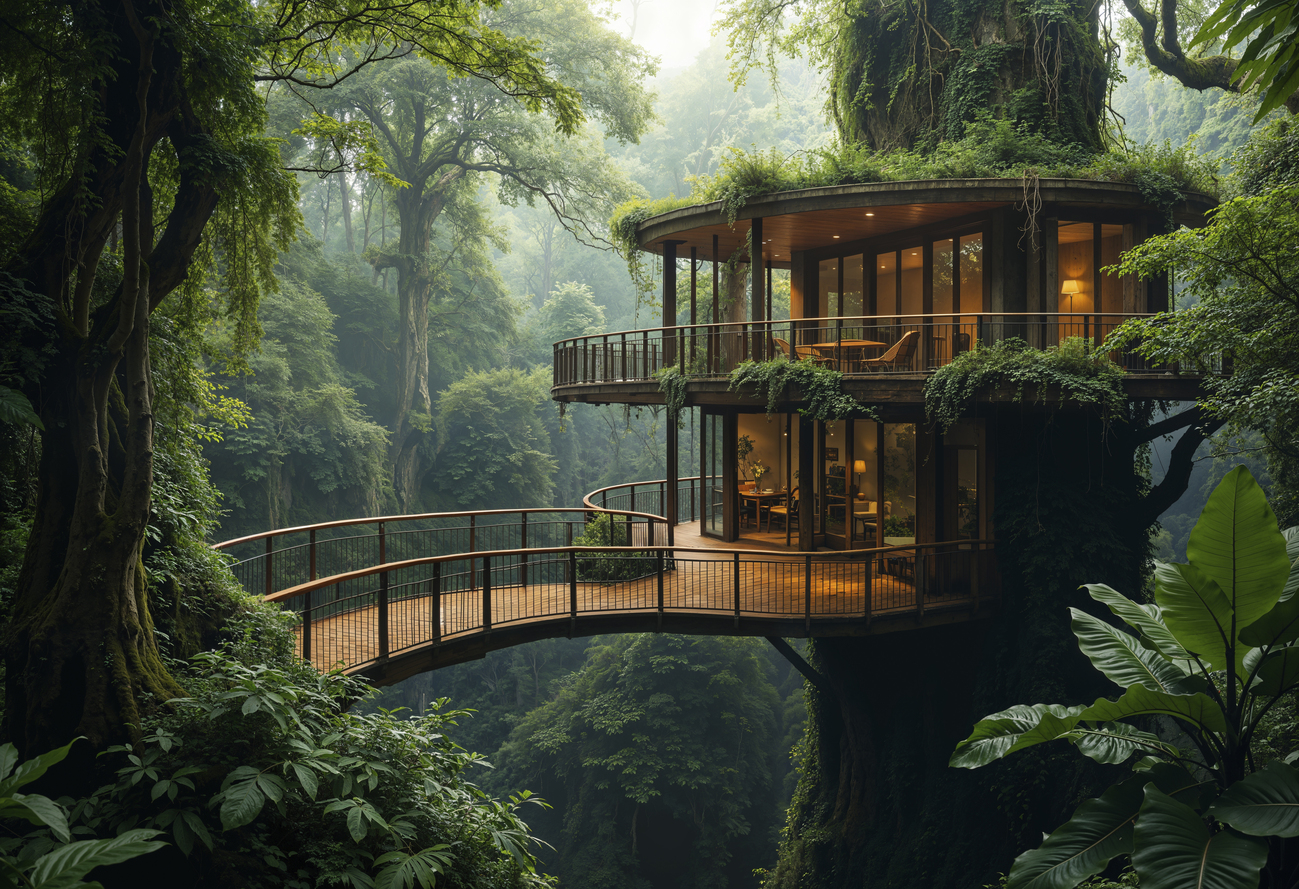
Tips for Owning Property in High-Elevation or Terraced Land Areas
Owning property in high-elevation regions or on terraced land comes with unique advantages beautiful views, cooler climates, and natural privacy. However, these landscapes also require thoughtful planning and maintenance to ensure safety, stability, and long-term value. Here are some essential tips to help you manage and maximize property in elevated or terraced areas.
1. Prioritize Soil Stability and Erosion Control
Steep and terraced land is highly susceptible to erosion, especially during heavy rain. To maintain land stability: use retaining walls made of concrete, stone, or reinforced earth. Plant deep-rooted vegetation to help bind the soil. Ensure proper drainage channels to direct water flow safely.
2. Invest in a Strong Drainage System
Water management is critical in sloped areas. Without proper drainage, water can accumulate, causing landslides or damaging building foundations. Install surface drains and sub-drains. Regularly clean gutters, channels, and drain cover. Consider permeable pavement to reduce runoff.
3. Work With Experienced Engineers and Surveyors
Before building or renovating, consult professionals familiar with hillside development. They can: evaluate soil conditions, assess structural risks, design safe foundations and terracing systems and provide recommendations based on local terrain and climate.
4. Choose the Right Foundation Type
Standard foundations are often unsuitable for steep land. Instead, consider: pile foundations, step foundations, reinforced retaining walls integrated with the structure. These options provide better support and reduce shifting risks.
5. Maintain Access Roads and Pathways
High-elevation properties may have steep or winding access routes. To keep them safe: use non-slip materials for walkways. Add guardrails where needed and ensure roads have adequate drainage to prevent erosion or cracking.
6. Prepare for Extreme Weather Conditions
Elevated regions may face strong winds, colder temperatures, and heavy rainfall. Protect your property by: using wind-resistant materials, installing storm shutters if necessary and securing outdoor furniture or loose objects.
7. Use Landscaping to Enhance Stability
Landscaping is not just decorative it supports soil structure and improves drainage. Use terraced gardens to reduce slope impact. Plant native species adapted to the terrain. Avoid large trees too close to retaining walls or foundations.
8. Monitor Retaining Walls Regularly
Retaining walls carry significant pressure. Inspect them for: cracks, bulging, excess water buildup, leaning or shifting. Early detection can prevent major structural issues.
9. Plan for Efficient Utilities
Running utilities such as water, electricity, and sewage can be more complex on sloped terrain. Work with professionals to ensure: pipes are protected from erosion, pumps are installed where needed, systems comply with local safety standards.
10. Consider Insurance for Natural Risks
Properties in elevated or terraced areas may face geological or weather-related risks. Consider insurance that covers: landslides, flooding and earthquakes (where applicable).
Date: April 01, 2026
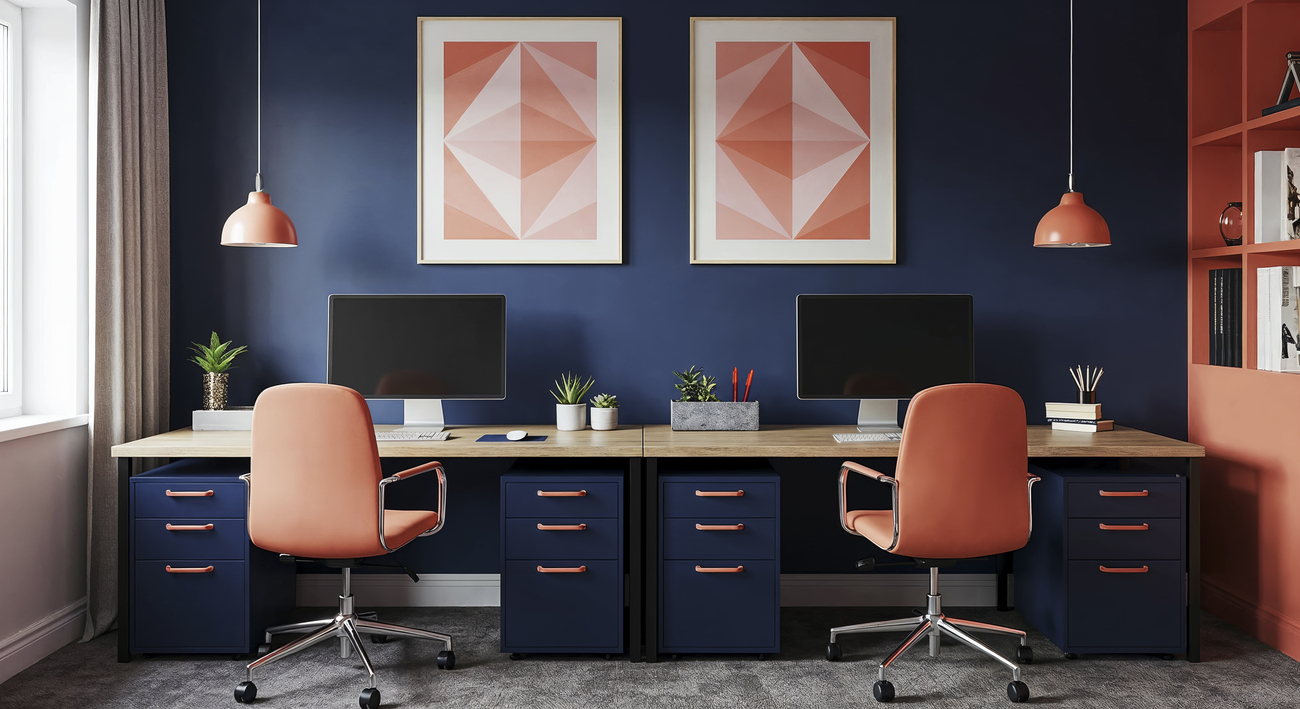
In recent years, the way people live, work, and interact within their homes has undergone a significant transformation. Driven by technological advancements, remote work trends, and evolving family dynamics, the concept of a home is no longer limited to a place for rest. Today, homes are expected to ...
Date: April 02, 2026
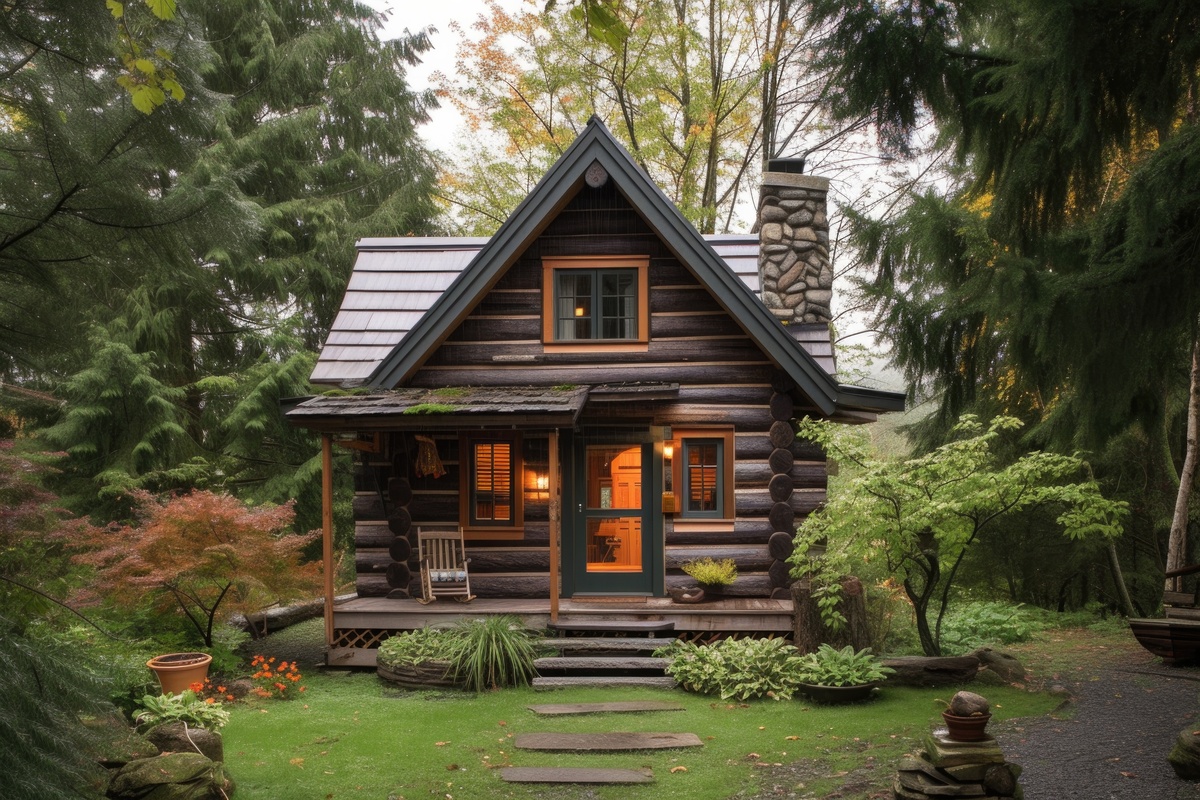
In recent years, a noticeable shift has occurred in the way people design and inhabit their living spaces. Across cities and even suburban areas, homes are becoming smaller. This trend, often referred to as compact living, reflects changing economic realities, evolving lifestyles, and growing enviro ...
Date: April 03, 2026
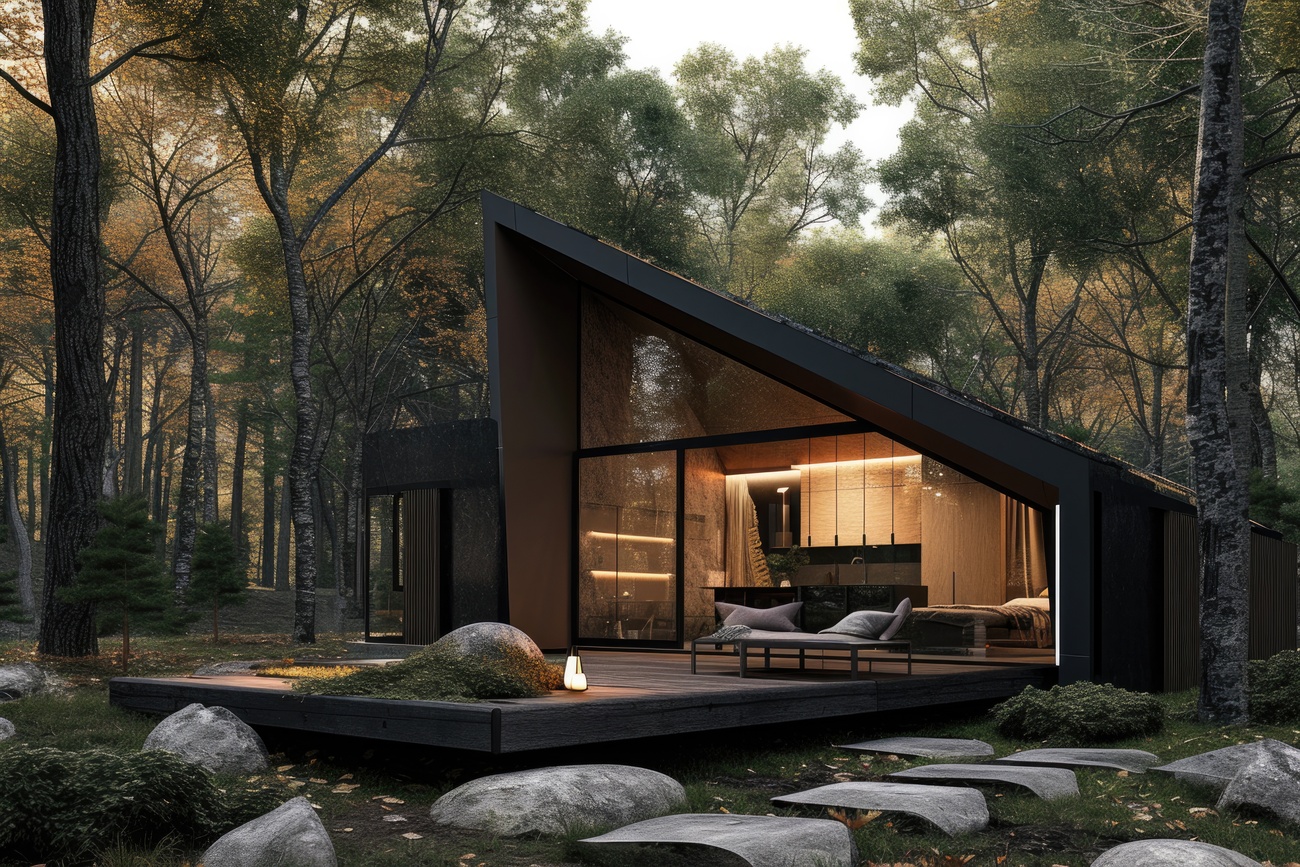
In recent years, the housing market has undergone significant transformation, giving rise to innovative models that respond to shifting economic realities and lifestyle preferences. One of the most notable developments is the “Build-to-Rent” (BTR) trend a housing concept where properties are ...
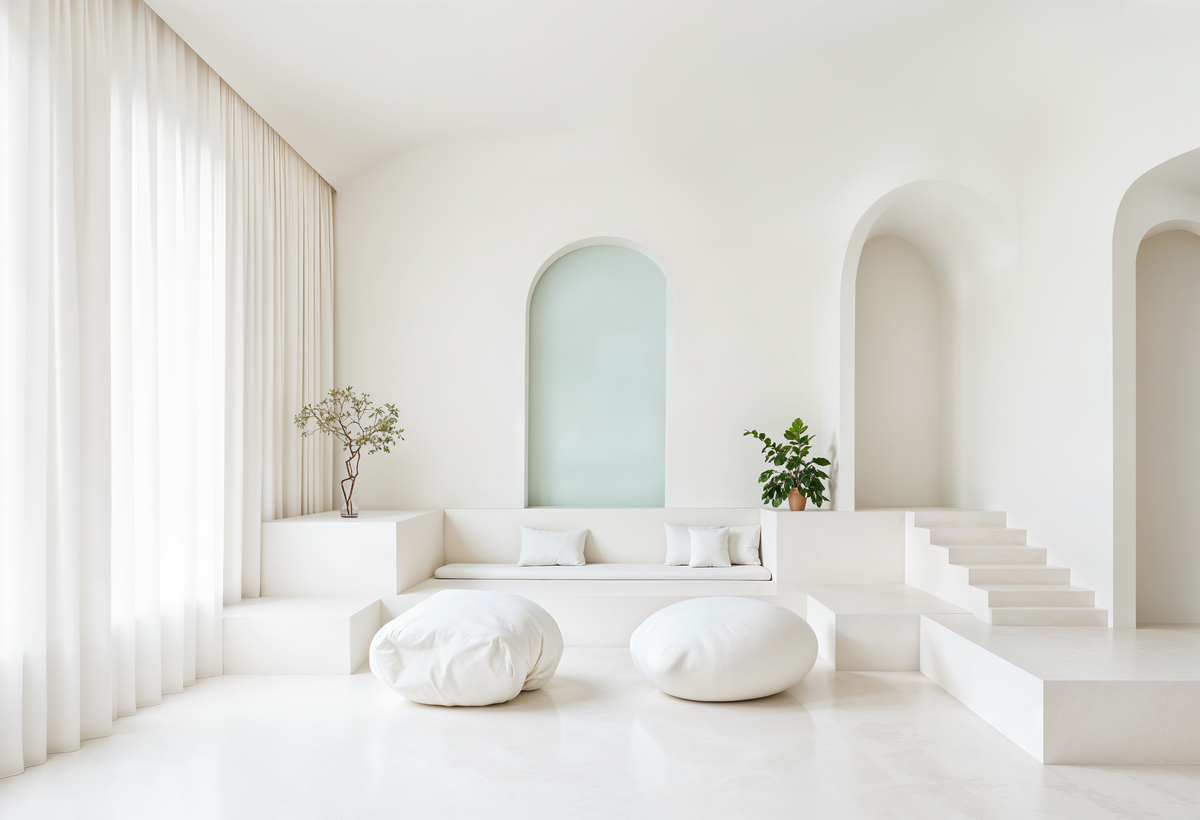
Date: March 21, 2026
Choosing the right paint color can dramatically change how a house looks and feels. Even with simple furniture and décor, the right color palette can make a home appear elegant, luxurious, and high-end. Many interior designers agree that certain colors have a natural ability to create a sophisticat ...
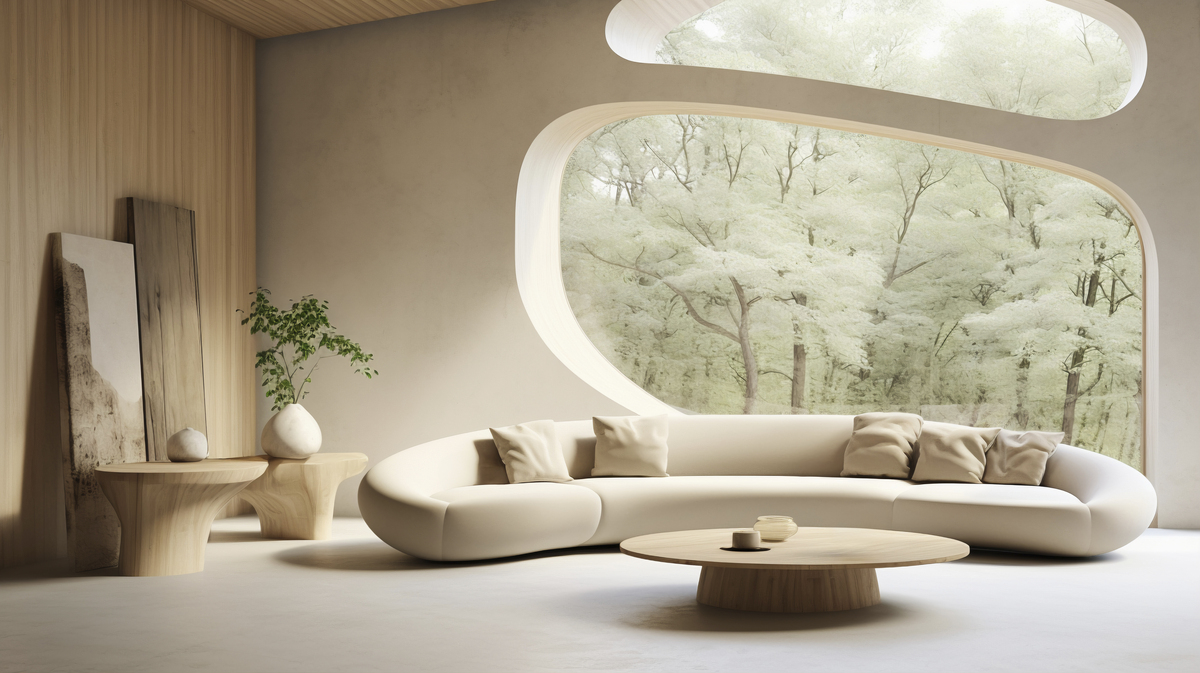
Date: March 22, 2026
A minimalist living room is all about simplicity, functionality, and elegance. By focusing on clean lines, neutral colors, and carefully selected furniture, you can create a space that feels calm, modern, and comfortable. Minimalist design doesn’t mean empty or boring it means choosing items inten ...
Ala Land Bali — a magical place for the real you
BECOME PART OF THE HISTORY Share your contact details, and our manager will reach out
with full project details