

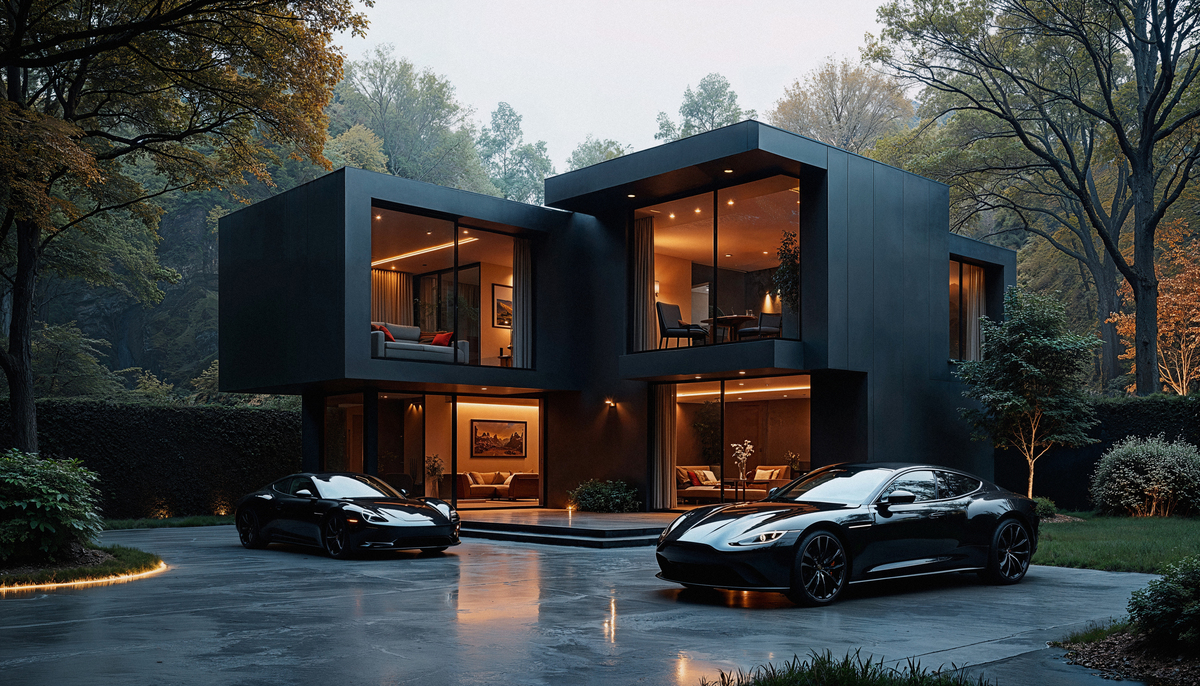
Trend of Rp 1–2Billions Houses in Narrow Alleys: Worth It or Not?
In many Indonesian cities, especially in densely populated urban centers like Jakarta, Surabaya, and even Bali, a growing trend has emerged: houses priced between ₨1–2 billion located deep within narrow alleys (gangs). This trend reflects the tension between affordability, location demand, and quality of living in cities where space is limited and property prices continue to rise. Why This Trend Is Happening? Several factors drive the popularity of these homes:
Affordability in Prime Areas
As land prices soar, developers and homeowners push into smaller plots tucked away from main roads. These homes offer one of the few ways buyers can still afford property near city centers.
High Demand from First-Time Buyers
Younger professionals and small families often priced out of larger properties see these houses as an entry point into property ownership.
Convenient Access to Amenities
Although inside narrow alleys, many of these homes are still close to public transportation, schools, markets, and workplaces, making their location attractive despite the tighter setting.
Pros of Buying a House in a Narrow Alley
Lower Price for Central Location: houses in narrow alleys typically cost less than similar-sized homes along main streets. This makes them a viable option for buyers with a Rp 1–2 billion budget who still want urban convenience.
Potential for Long-Term Value Growth: urban sprawl and infrastructure improvements (like new roads or transit lines) can increase the value of properties deep in the city even if they start in less accessible alleys.
Community Atmosphere: narrow alley neighborhoods often foster strong social bonds. Neighbors interact more, children play safely away from busy streets, and there’s a sense of belonging that many modern developments lack.
Cons of Living in a Narrow Alley
Limited Accessibility: The most obvious downside is access. Emergency services, delivery vehicles, and even personal cars may struggle to navigate tiny roads, especially during busy hours or peak traffic.
Parking Challenges: homes priced Rp 1–2 billions in narrow alleys often lack designated parking spaces. Homeowners may need to park far from their own homes or rely on paid parking nearby.
Higher Maintenance Concerns: narrow alleys might mean worse drainage or rubbish collection, especially in older neighborhoods. If the local infrastructure is lacking, residents may face periodic inconvenience.
Resale and Liquidity Risks: while some homes appreciate over time, resale may be slower for properties in tight alleys due to accessibility concerns. Buyers with families, elderly residents, or frequent visitors may prefer more open neighborhoods.
Is It Worth It?
The answer depends on your priorities: it might be worth it if you want to own a home in the city without overspending, you prioritize location and convenience over wide roads and big yards, you’re planning to live there long-term and don’t plan to resell soon.
It Might Not Be Worth It If:
You commute with a car daily and need easy access, you value space, comfort, and privacy more than location, you’re buying strictly for investment and quick resale.
Tips Before Buying
Visit the site at different times of day to gauge access and traffic flow. Check if the alley is legal and officially registered, so there are no future land disputes. Assess future infrastructure plans a new road or transit project nearby could boost value and consider parking arrangements and resale prospects.
The trend of buying homes priced between Rp 1–2 billions in narrow alleys reflects the realities of Indonesia’s urban housing market: rising prices meet limited space. Whether it’s worth it depends on personal needs, lifestyle, and long-term goals. For many first-time buyers, these homes represent a practical compromise between affordability and urban living but they’re not without trade-offs.
Date: April 01, 2026
In recent years, the way people live, work, and interact within their homes has undergone a significant transformation. Driven by technological advancements, remote work trends, and evolving family dynamics, the concept of a home is no longer limited to a place for rest. Today, homes are expected to ...
Date: April 02, 2026
In recent years, a noticeable shift has occurred in the way people design and inhabit their living spaces. Across cities and even suburban areas, homes are becoming smaller. This trend, often referred to as compact living, reflects changing economic realities, evolving lifestyles, and growing enviro ...
Date: April 03, 2026
In recent years, the housing market has undergone significant transformation, giving rise to innovative models that respond to shifting economic realities and lifestyle preferences. One of the most notable developments is the “Build-to-Rent” (BTR) trend a housing concept where properties are ...
Date: March 21, 2026
Choosing the right paint color can dramatically change how a house looks and feels. Even with simple furniture and décor, the right color palette can make a home appear elegant, luxurious, and high-end. Many interior designers agree that certain colors have a natural ability to create a sophisticat ...

Date: March 22, 2026
A minimalist living room is all about simplicity, functionality, and elegance. By focusing on clean lines, neutral colors, and carefully selected furniture, you can create a space that feels calm, modern, and comfortable. Minimalist design doesn’t mean empty or boring it means choosing items inten ...
Ala Land Bali — a magical place for the real you
BECOME PART OF THE HISTORY Share your contact details, and our manager will reach out
with full project details