

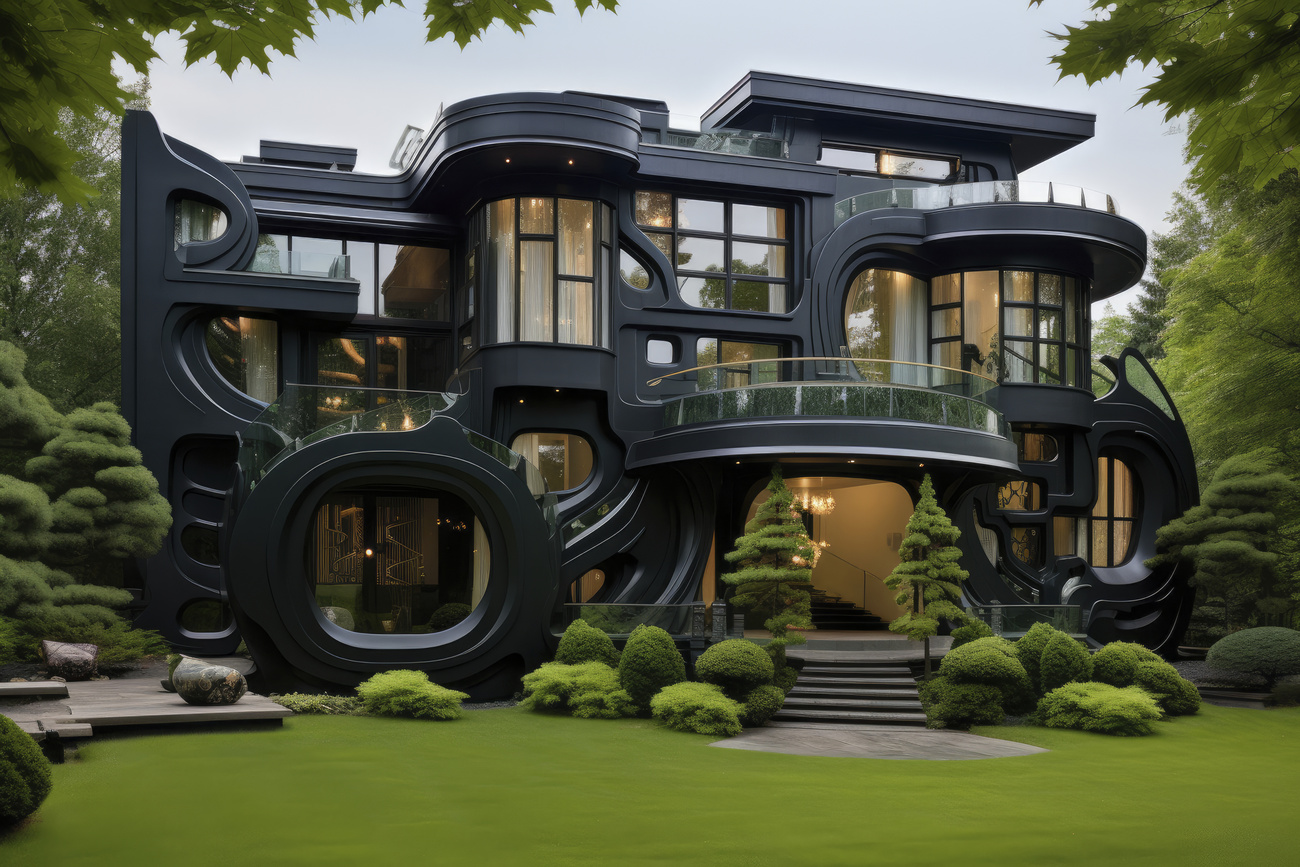
Villa Design Trends 2026: What Tourists and Investors Want
As the global travel industry evolves, so do expectations for high-end accommodations. In 2026, villa design is at the forefront of blending luxury, sustainability, technology, and cultural authenticity. This trend shift is shaped by changing traveler values and investor priorities: comfort, unique experiences, environmental responsibility, and long-term profitability.
1. Sustainable and Eco-Luxury Design
Sustainability is no longer a niche preference, it’s a demand. Today’s travelers seek villas that reduce environmental impact while delivering luxury. This includes: Eco-friendly materials: bamboo, reclaimed wood, recycled stone, and non-toxic finishes. Passive cooling and heating design: Orientation and material choices that reduce energy needs. On-site renewable systems: Solar panels, green roofs, and smart water management. For investors, sustainability isn’t only ethical it also lowers operating costs and attracts eco-conscious guests willing to pay a premium.
2. Biophilic and Wellness-Focused Spaces
The connection between nature and well-being is a dominant trend. Tourists increasingly value villas that integrate: Natural elements: Indoor gardens, water features, large windows, and nature-inspired décor. Wellness zones: Meditation decks, spa bathrooms, yoga terraces, and private pools. Circadian lighting systems to improve sleep and mood. These design features elevate guest experience and extend average stays an attractive metric for investors.
3. Tech-Integrated Luxury
Smart villas are no longer futuristic; they are expected. Key technological trends include: Voice-activated controls for lighting, temperature, and entertainment. Automated check-in and concierge services via apps or tablets. High-speed connectivity for seamless remote work. For digital nomads and luxury travelers alike, technology becomes part of the value proposition.
4. Flexible, Multi-Functional Interior Design
Travel patterns have shifted: visitors may vacation, work, and relax all in one trip. Design trends reflecting this include: Convertible spaces: Bedrooms that double as offices. Indoor-outdoor living: Retractable walls, shaded verandas, and integrated terraces. Modular furniture: For adaptability without aesthetic compromise. Investors benefit as these villas appeal to a broader guest demographic, from remote workers to multigenerational families.
5. Local Culture and Authenticity
A villa’s character now plays a crucial role in guest experience. Travelers want to feel immersed in the destination rather than in a standardized luxury setting. Designers are responding by: Using local artisans for furnishings and finishes. Incorporating regional architectural styles. Curating culturally inspired décor and amenities. This approach elevates a villa’s brand identity and differentiates it in competitive markets.
6. Privacy and Exclusive Experiences
Post-pandemic preferences still linger: privacy is prized. Modern trends emphasize: Private entrances and exclusive zones within properties. Secluded outdoor areas and private pools. Butler or bespoke services without intrusion. This exclusivity often translates to higher nightly rates and increased investor returns.
7. Resilient and Low-Maintenance Materials
Investors look for design that stands the test of time. Villas in tropical or coastal areas, especially, benefit from: Durable finishes resistant to salt, humidity, UV exposure. Low-maintenance landscaping that reduces operating costs. Smart drainage and weather-adaptive features. These attributes ensure long-term value and reduce overhead.
In 2026, villa design trends reflect a synergy between tourist desires and investor expectations. Sustainability, wellness, technology, cultural authenticity, and flexible spaces are more than aesthetic choices they are strategic design decisions that enhance guest satisfaction and return on investment. As the hospitality landscape grows more competitive, villas that innovate thoughtfully will stand out, drawing discerning travelers and optimizing revenue for stakeholders.
Date: April 01, 2026
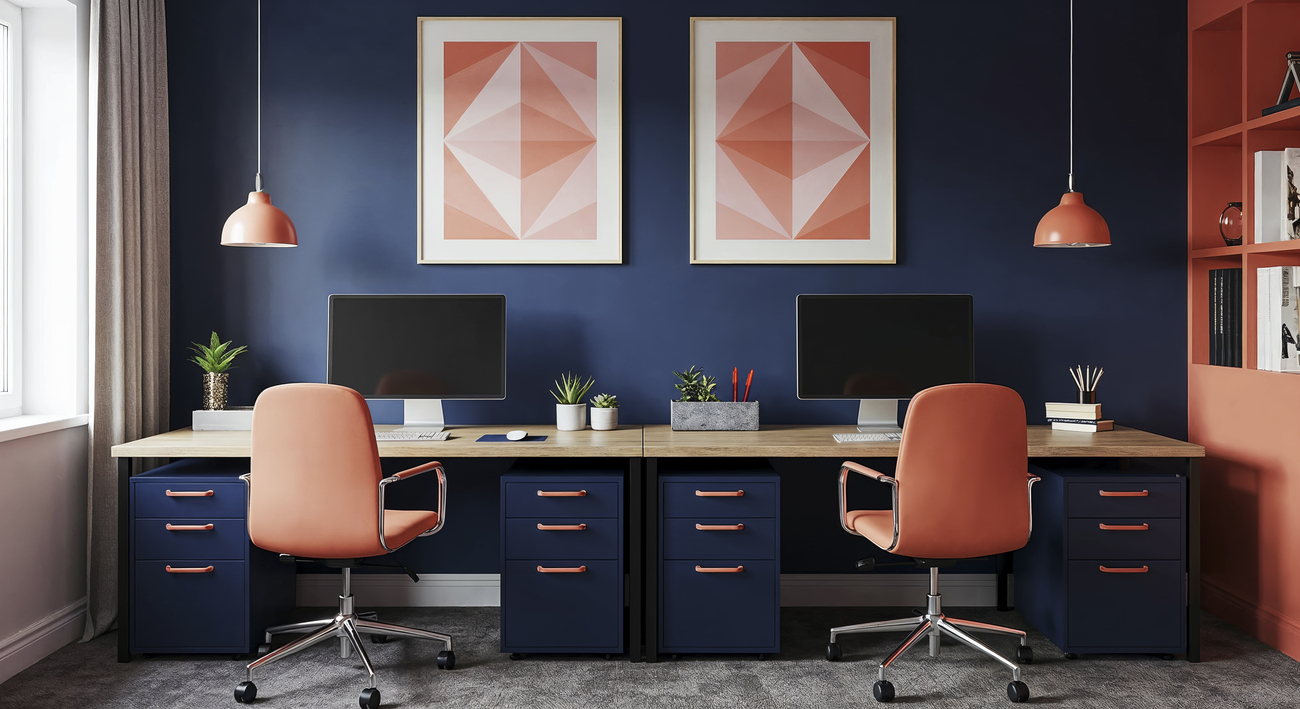
In recent years, the way people live, work, and interact within their homes has undergone a significant transformation. Driven by technological advancements, remote work trends, and evolving family dynamics, the concept of a home is no longer limited to a place for rest. Today, homes are expected to ...
Date: April 02, 2026
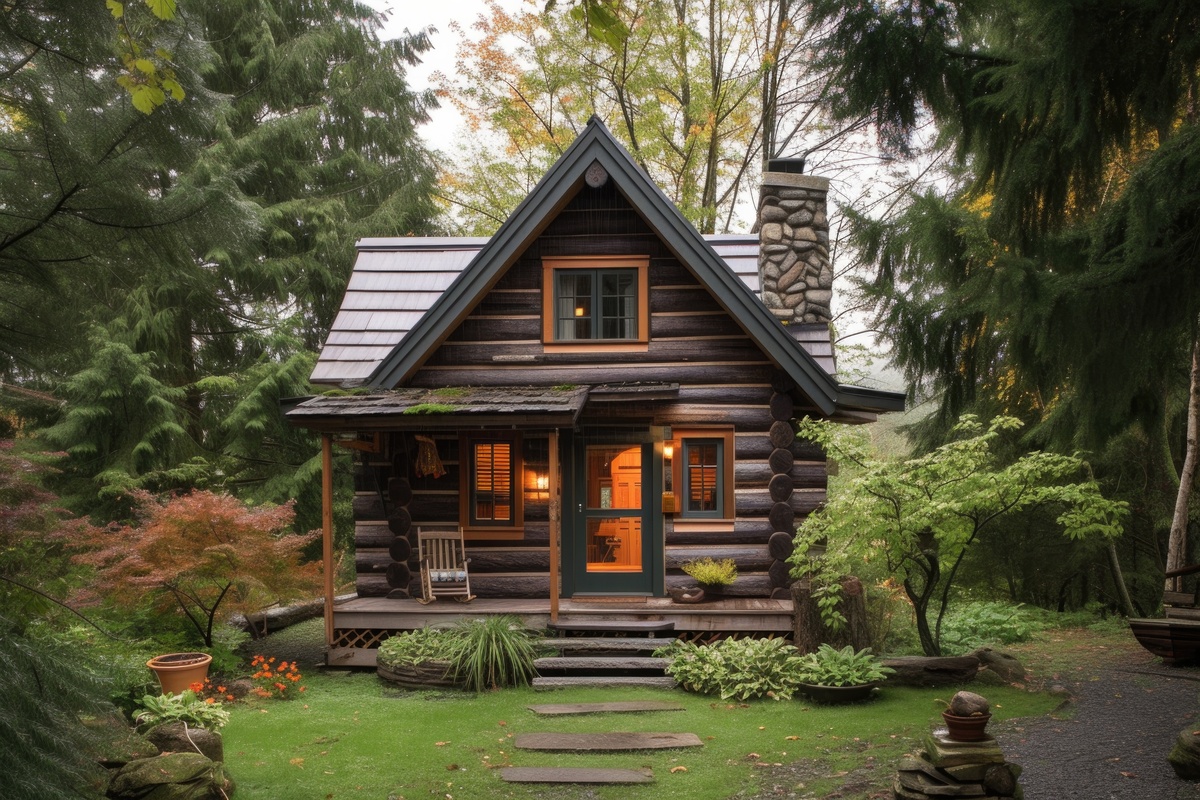
In recent years, a noticeable shift has occurred in the way people design and inhabit their living spaces. Across cities and even suburban areas, homes are becoming smaller. This trend, often referred to as compact living, reflects changing economic realities, evolving lifestyles, and growing enviro ...
Date: April 03, 2026
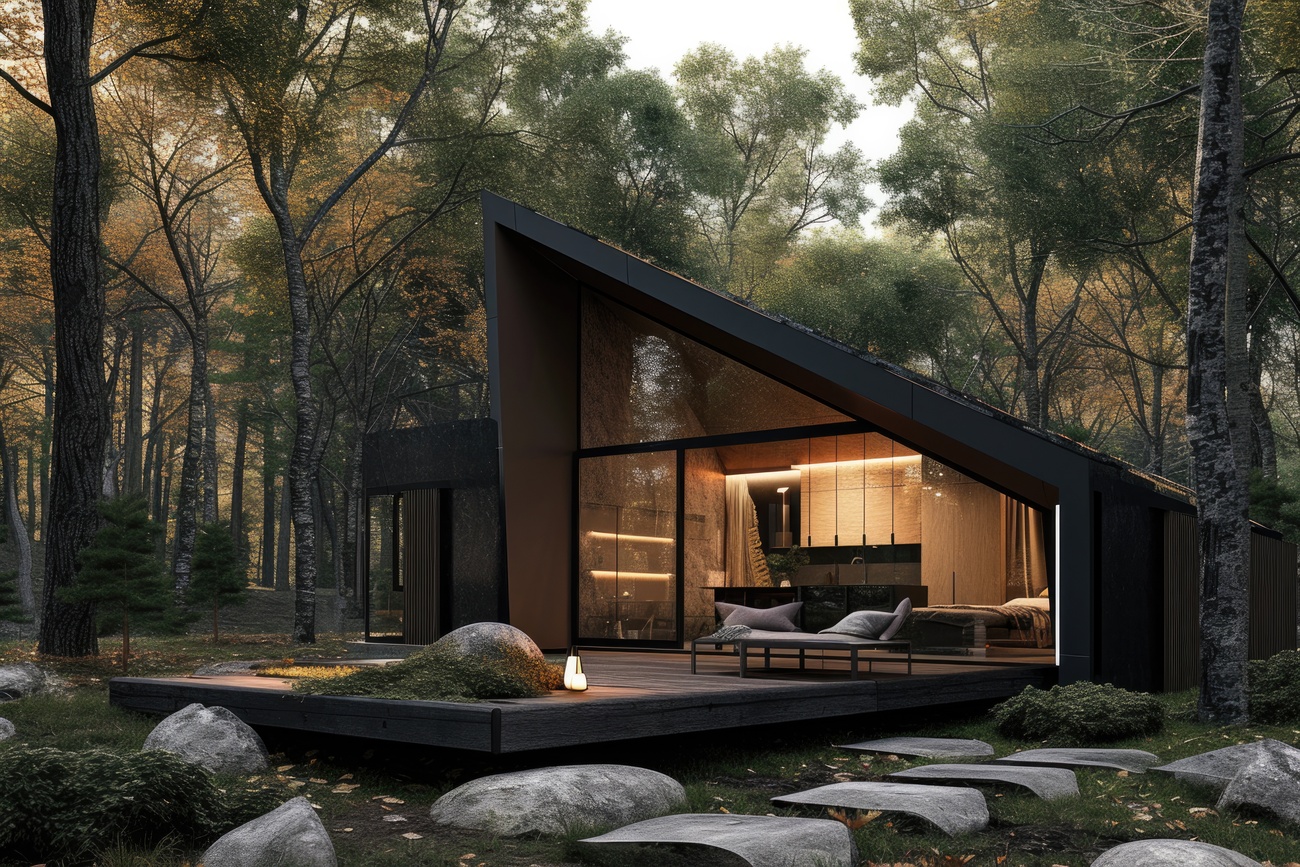
In recent years, the housing market has undergone significant transformation, giving rise to innovative models that respond to shifting economic realities and lifestyle preferences. One of the most notable developments is the “Build-to-Rent” (BTR) trend a housing concept where properties are ...
Date: March 21, 2026
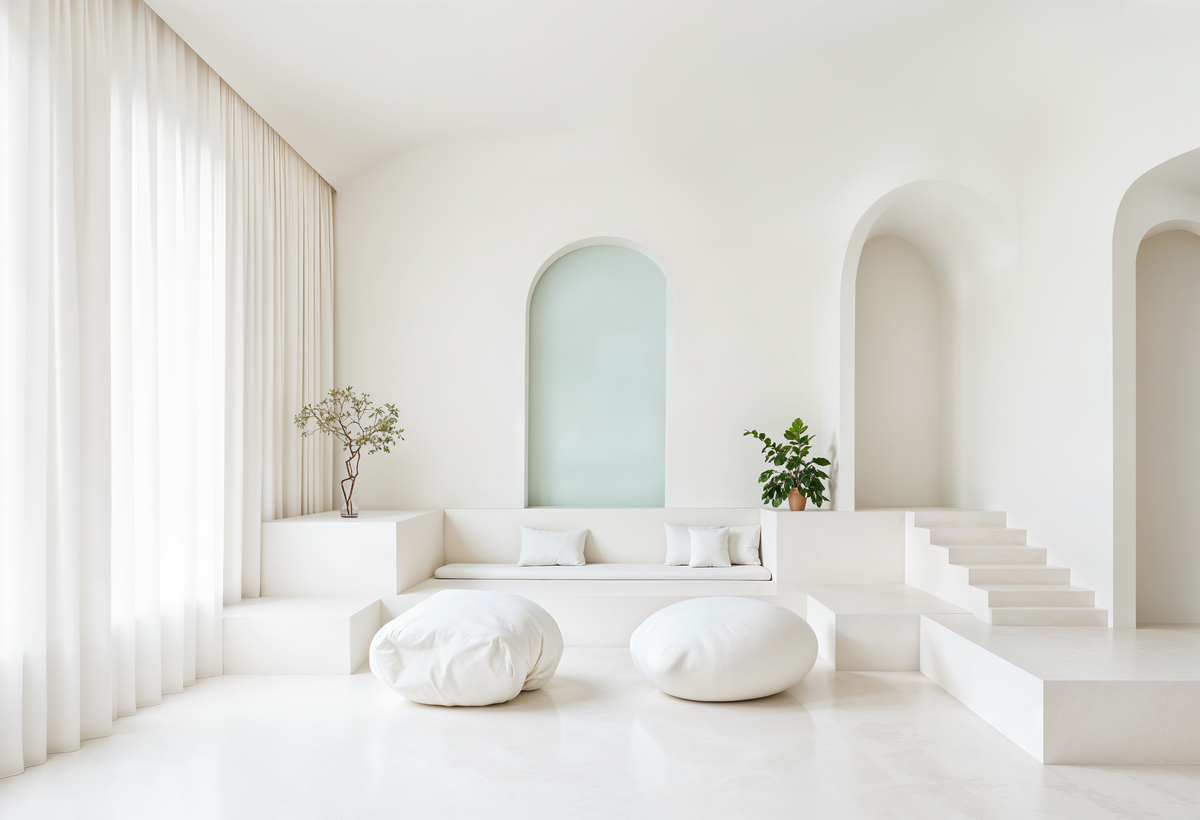
Choosing the right paint color can dramatically change how a house looks and feels. Even with simple furniture and décor, the right color palette can make a home appear elegant, luxurious, and high-end. Many interior designers agree that certain colors have a natural ability to create a sophisticat ...
Date: March 22, 2026
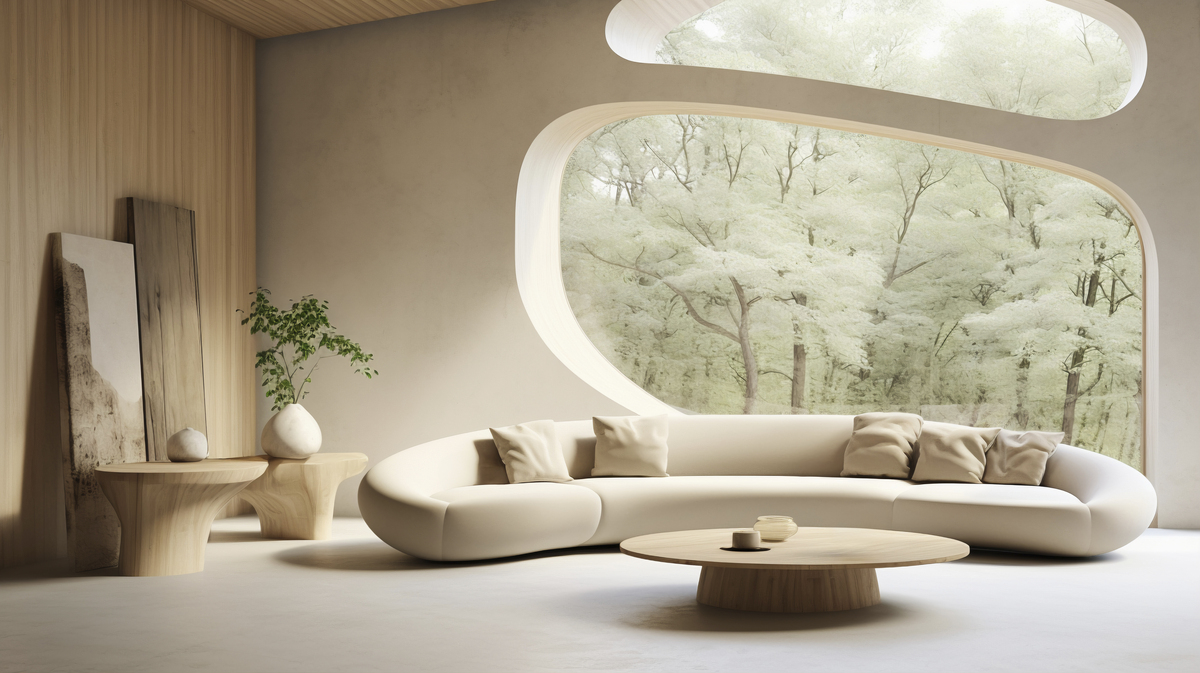
A minimalist living room is all about simplicity, functionality, and elegance. By focusing on clean lines, neutral colors, and carefully selected furniture, you can create a space that feels calm, modern, and comfortable. Minimalist design doesn’t mean empty or boring it means choosing items inten ...
Ala Land Bali — a magical place for the real you
BECOME PART OF THE HISTORY Share your contact details, and our manager will reach out
with full project details