

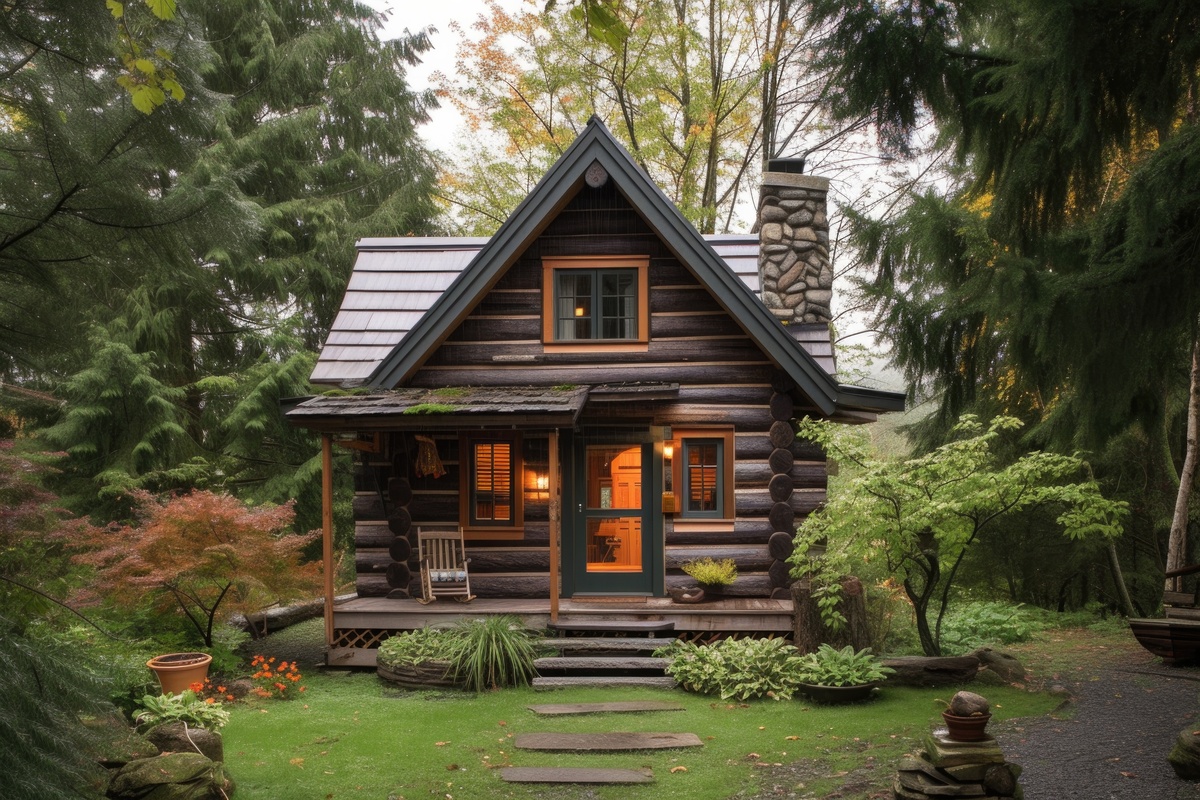
Why Homes Are Getting Smaller: The Rise of Compact Living
In recent years, a noticeable shift has occurred in the way people design and inhabit their living spaces. Across cities and even suburban areas, homes are becoming smaller. This trend, often referred to as compact living, reflects changing economic realities, evolving lifestyles, and growing environmental awareness.
One of the primary drivers behind smaller homes is the rising cost of housing. In many urban areas, land prices and construction costs have increased significantly, making large homes less affordable for the average buyer. As a result, people are opting for smaller, more efficient spaces that better fit their budgets. Compact homes allow individuals and families to live in desirable locations without the financial burden of maintaining a large property.
Urbanization also plays a major role. As more people move to cities in search of jobs and opportunities, available space becomes limited. Developers respond by building smaller apartments and houses to accommodate growing populations. In densely populated cities, compact living is often not just a choice, but a necessity.
Another important factor is the shift in lifestyle and priorities. Many people, especially younger generations, are choosing minimalism over materialism. Instead of accumulating possessions, they value experiences, mobility, and flexibility. Smaller homes encourage a more intentional way of living, where every item has a purpose and clutter is minimized. This lifestyle can lead to reduced stress and a greater sense of control over one’s environment.
Environmental concerns are also contributing to the trend. Smaller homes generally consume less energy for heating, cooling, and lighting. They require fewer materials to build and maintain, which reduces their overall environmental footprint. As awareness of climate change grows, more people are choosing compact living as a way to live more sustainably.
Technological advancements have made compact living more practical and comfortable. Smart home devices, multifunctional furniture, and innovative storage solutions allow small spaces to feel larger and more efficient. For example, foldable beds, extendable tables, and built-in storage help maximize every square meter.
However, compact living is not without its challenges. Limited space can lead to a lack of privacy, especially for families. It may also require significant lifestyle adjustments, such as downsizing belongings and adopting new organizational habits. Despite these challenges, many people find that the benefits outweigh the drawbacks.
In conclusion, the trend toward smaller homes reflects broader changes in society. Economic pressures, urban growth, shifting values, and environmental awareness all contribute to the rise of compact living. As cities continue to expand and lifestyles evolve, compact homes are likely to become an increasingly common and practical solution for modern living.
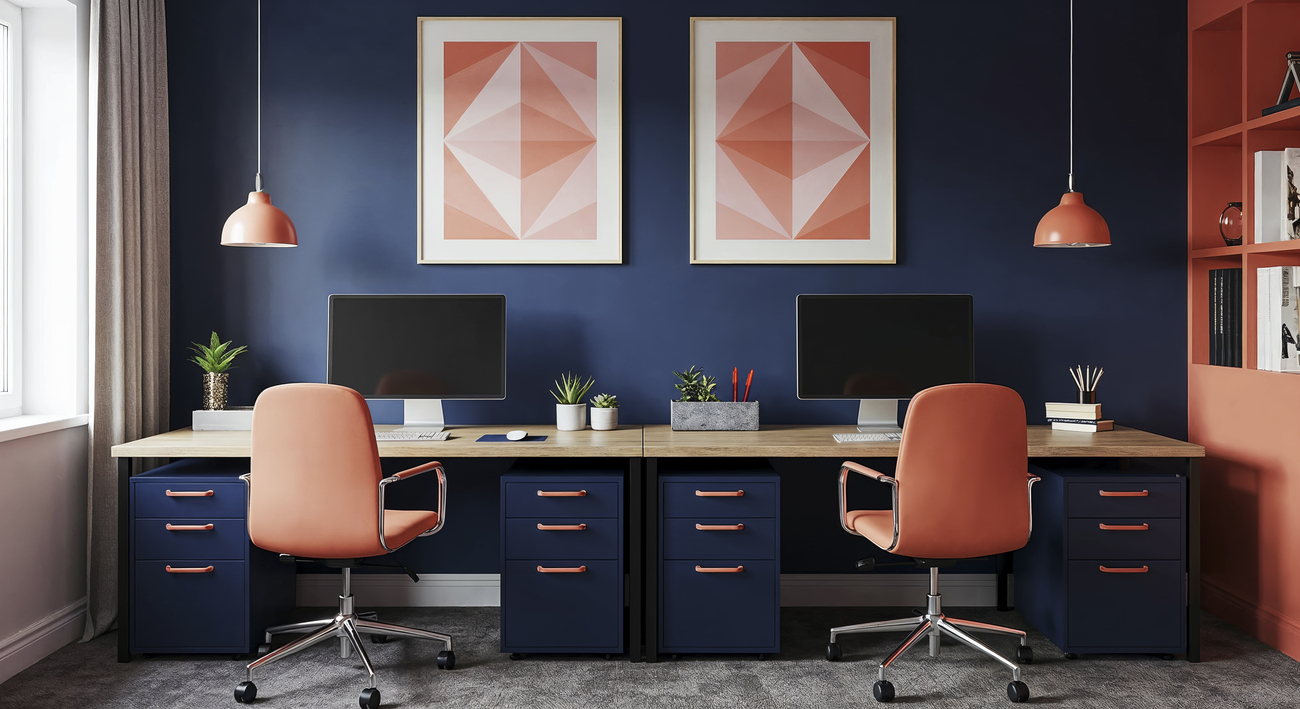
Date: April 01, 2026
In recent years, the way people live, work, and interact within their homes has undergone a significant transformation. Driven by technological advancements, remote work trends, and evolving family dynamics, the concept of a home is no longer limited to a place for rest. Today, homes are expected to ...
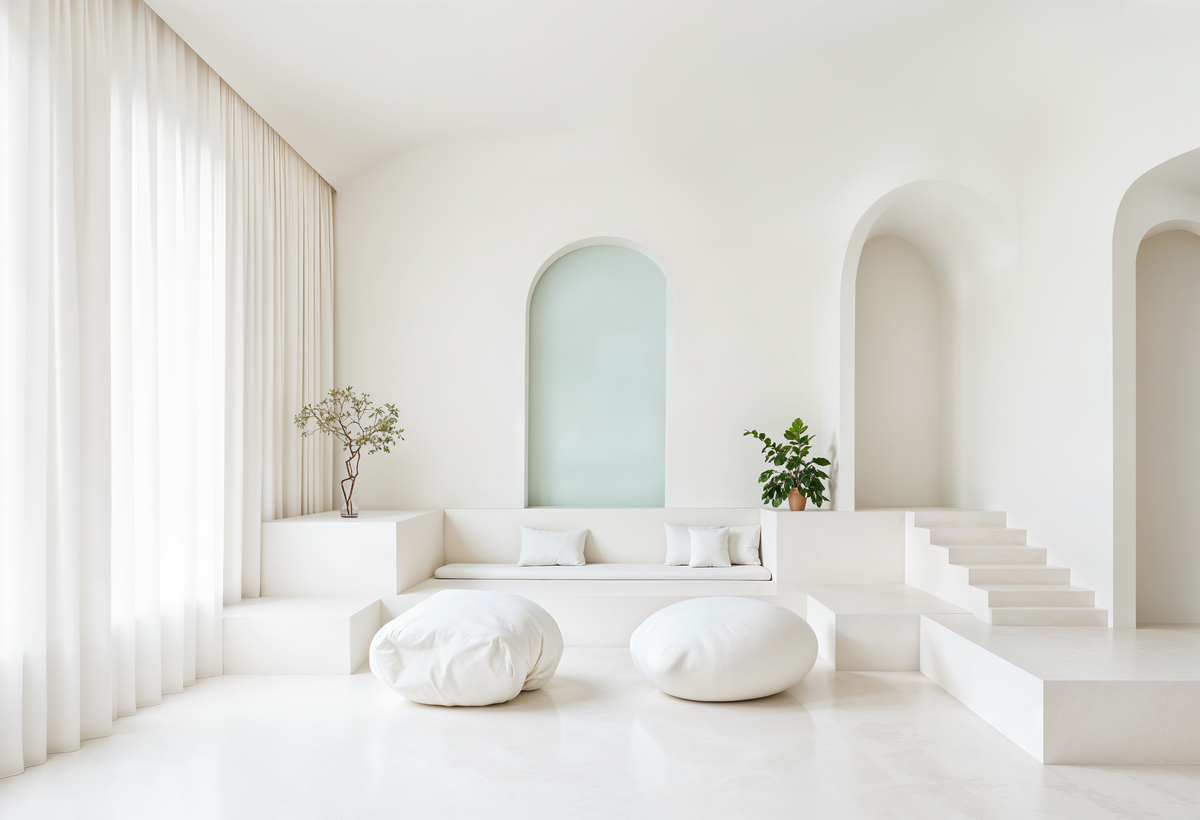
Date: March 21, 2026
Choosing the right paint color can dramatically change how a house looks and feels. Even with simple furniture and décor, the right color palette can make a home appear elegant, luxurious, and high-end. Many interior designers agree that certain colors have a natural ability to create a sophisticat ...
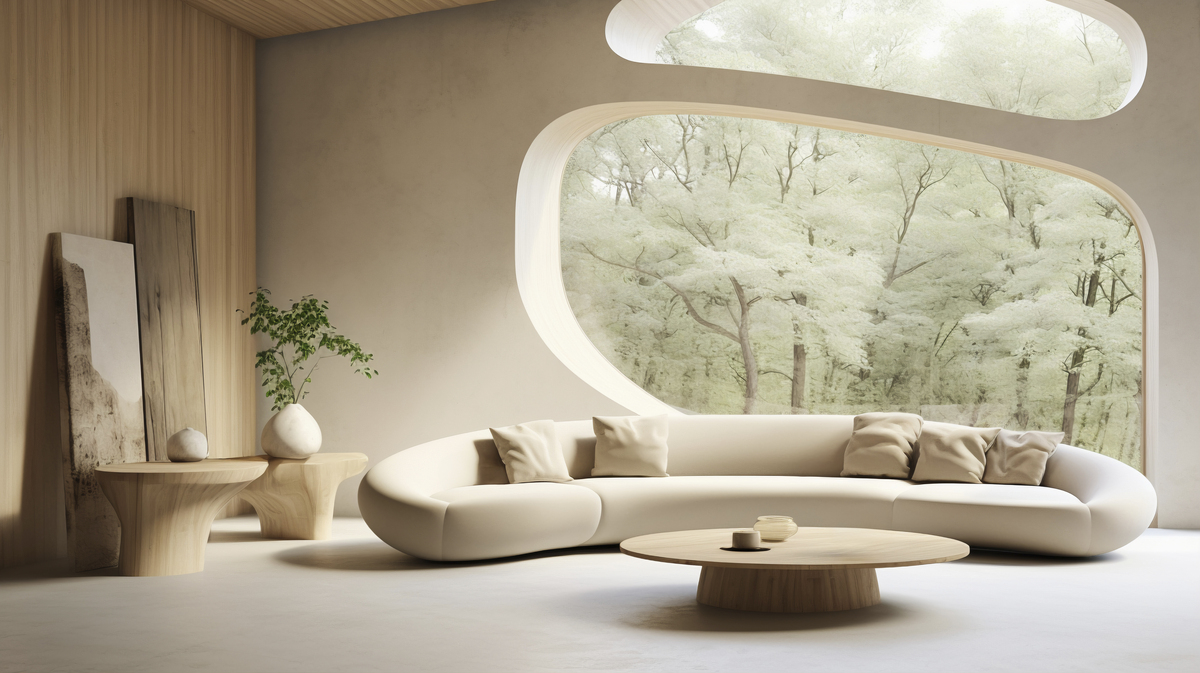
Date: March 22, 2026
A minimalist living room is all about simplicity, functionality, and elegance. By focusing on clean lines, neutral colors, and carefully selected furniture, you can create a space that feels calm, modern, and comfortable. Minimalist design doesn’t mean empty or boring it means choosing items inten ...
Date: March 23, 2026
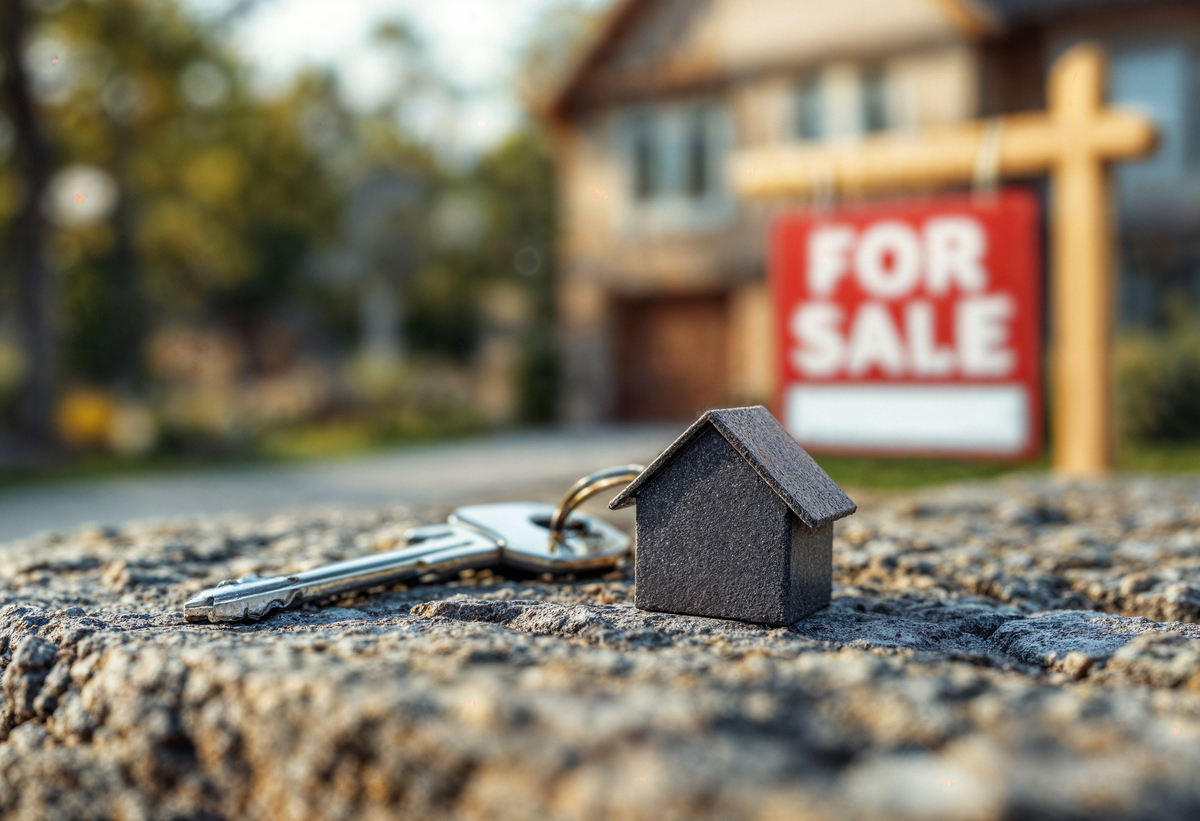
The property market is one of the most closely watched sectors in the economy. Many potential homebuyers are currently asking the same question: will house prices fall in the near future? With rising interest rates, economic uncertainty, and changing demand patterns, the answer is not simple. Severa ...
Date: March 24, 2026
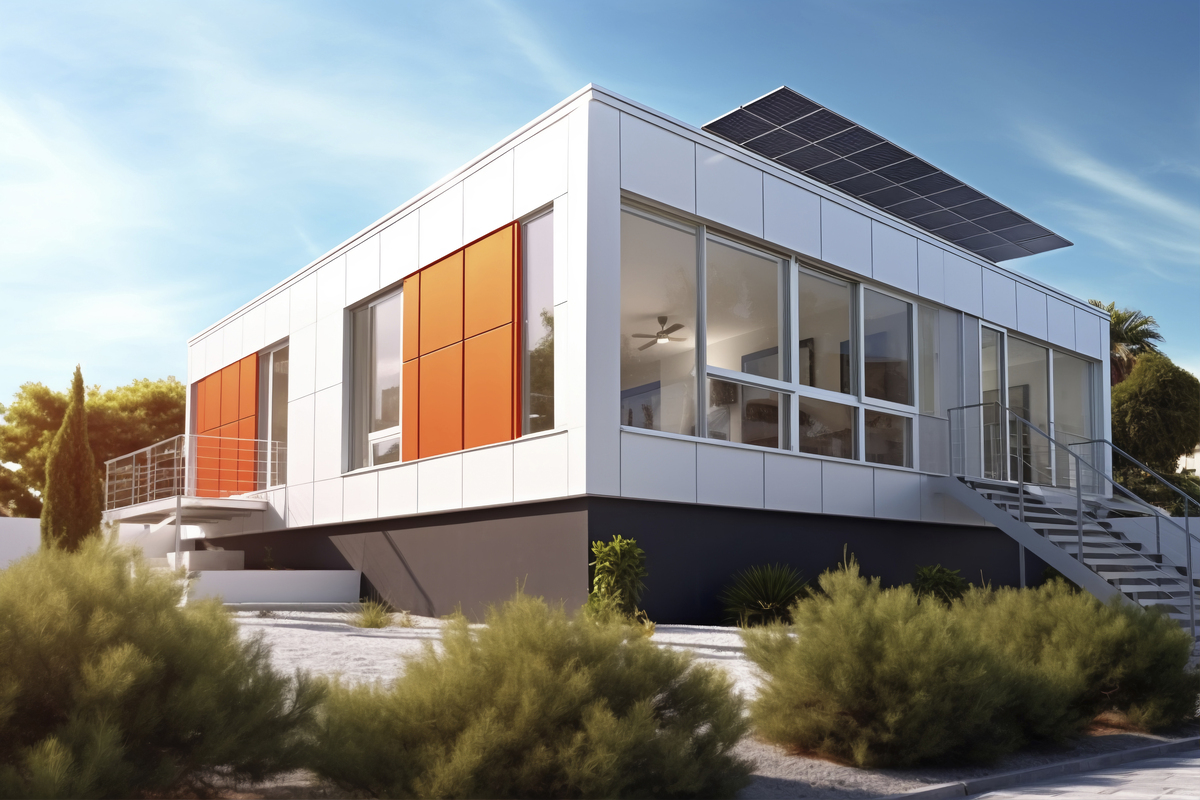
Minimalist house design continues to dominate modern architecture because it combines simplicity, functionality, and elegance. Homeowners today prefer clean lines, open spaces, and neutral colors that create a calm and organized living environment. Minimalist homes are also practical they are easier ...
Ala Land Bali — a magical place for the real you
BECOME PART OF THE HISTORY Share your contact details, and our manager will reach out
with full project details