

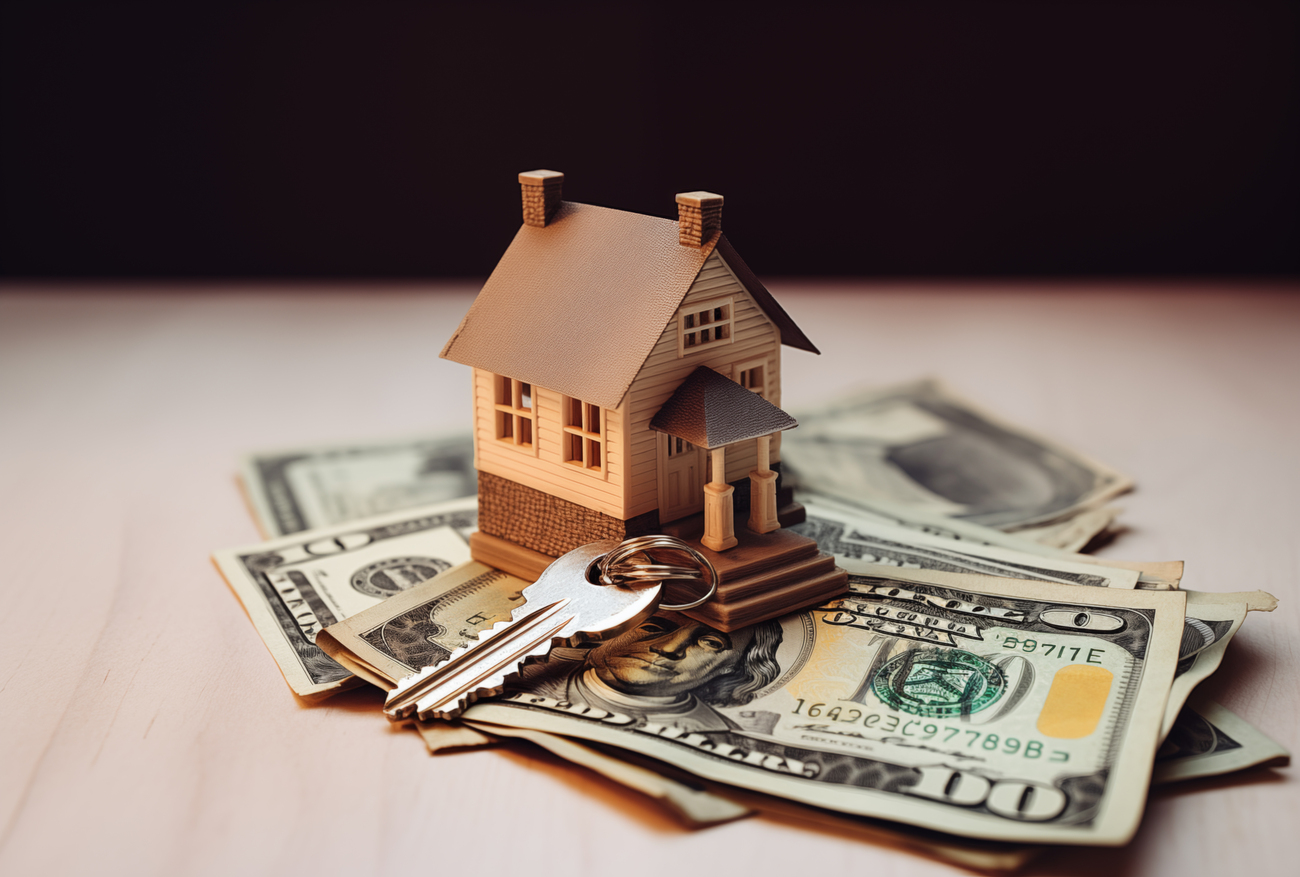
Why Housing Prices Don’t Fall Even When Many People Can’t Afford to Buy
For years, people have been asking the same question: If many can’t afford a home, why don’t prices go down? It seems logical low affordability should lead to lower demand, and lower demand should push prices downward but property markets don’t work like typical markets. Below are the real reasons why housing prices remain stubbornly high even when buyers are struggling.
1. Housing Supply Is Extremely Inelastic
Building new homes takes years, not weeks. Land is limited, especially in urban centers. Permits, zoning rules, and bureaucracy slow construction. Developers build strategically, not necessarily to meet real demand. Even if demand drops temporarily, the supply cannot adjust quickly enough to lower prices.
2. Sellers Are Reluctant to Lower Prices (“Sticky Prices”)
Homeowners don’t treat their property like a commodity. They are emotionally and financially attached. Many sellers would rather: delay selling, rent out the property, or wait for better economic conditions than accept a lower price. This “price stickiness” prevents natural downward adjustments.
3. Developers Will Stop Building Before They Cut Prices
For developers, lowering prices means shrinking profit margins and potentially losing money. Instead of slashing prices, they will: stop launching new projects, slow construction, reduce unit sizes, add incentives (free furniture, discounts, “Subsidi DP”) instead of lowering the official list price. This makes it look like the market is still stable.
4. Investors and Speculators Create Artificial Demand
In many countries, especially growing economies, real estate is seen as: a hedge against inflation, a long-term wealth store, a safer investment than stocks, investors buy homes not to live in them, but to: flip, rent, hold as an asset. This increases demand even when genuine homebuyers struggle.
5. Cheap Credit Can Keep Prices High
Even when incomes don’t rise, low interest rates or aggressive mortgage incentives can keep buyers in the market. Banks, competing for market share, often: extend loan tenors (15→20→30 years), lower down payments, offer fixed low introductory rates, these practices maintain artificial demand and keep prices elevated.
6. Construction Costs Rarely Go Down
Developers face rising costs year after year: materials (steel, cement, glass), imported components, labor wages, land acquisition, even if demand slows, construction costs act as a “floor” that prevents significant price drops.
7. Urbanization Keeps Demand Strong
People continue moving to cities for work and education but land does not grow. This simple imbalance growing population vs limited land keeps housing prices elevated.
8. Government Policies Often Support Prices, Not Reduce Them
Governments usually don’t want property prices to fall because: housing is tied to banking stability. Property tax revenue is significant. Falling prices can trigger economic panic. As a result, many policies (subsidized mortgages, tax breaks, developer incentives) stabilize or raise prices rather than lower them.
9. The Rental Market Supports High Valuations
If sellers can rent out their property at a decent yield, they have no pressure to sell at a discount. This acts as a safety net that prevents crashing.
Prices Don’t Drop Because the Market Is Engineered to Stay Up. Home prices aren’t purely demand-driven. They’re shaped by: limited supply, developer behavior, investment activity, high construction costs, government incentives and urban migration. So, even when affordability collapses, prices rarely fall at least not significantly or for long.
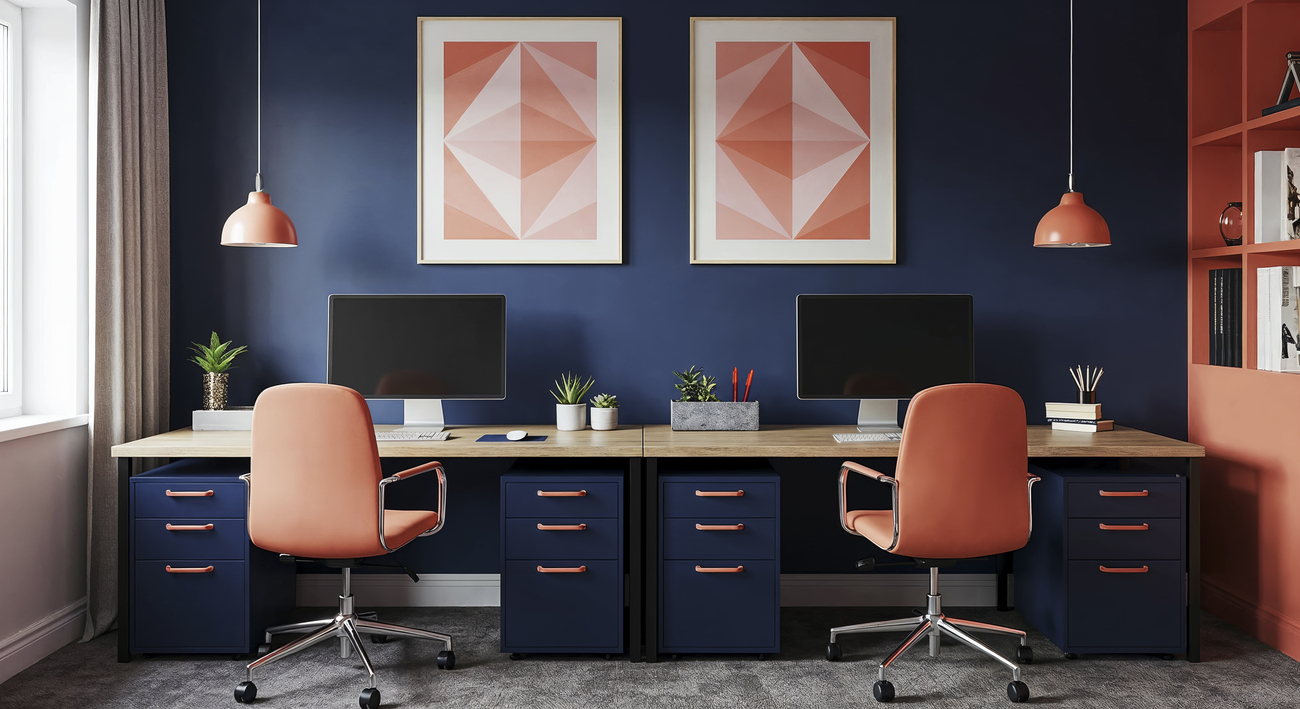
Date: April 01, 2026
In recent years, the way people live, work, and interact within their homes has undergone a significant transformation. Driven by technological advancements, remote work trends, and evolving family dynamics, the concept of a home is no longer limited to a place for rest. Today, homes are expected to ...
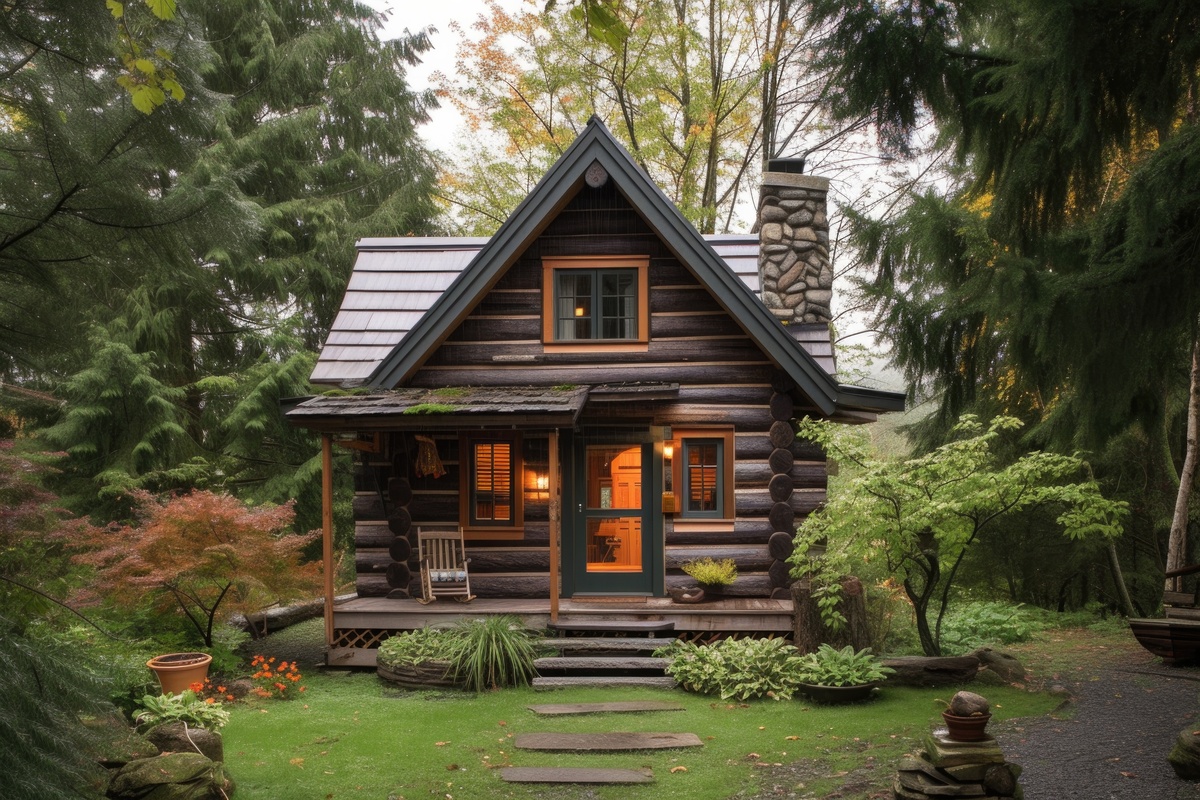
Date: April 02, 2026
In recent years, a noticeable shift has occurred in the way people design and inhabit their living spaces. Across cities and even suburban areas, homes are becoming smaller. This trend, often referred to as compact living, reflects changing economic realities, evolving lifestyles, and growing enviro ...
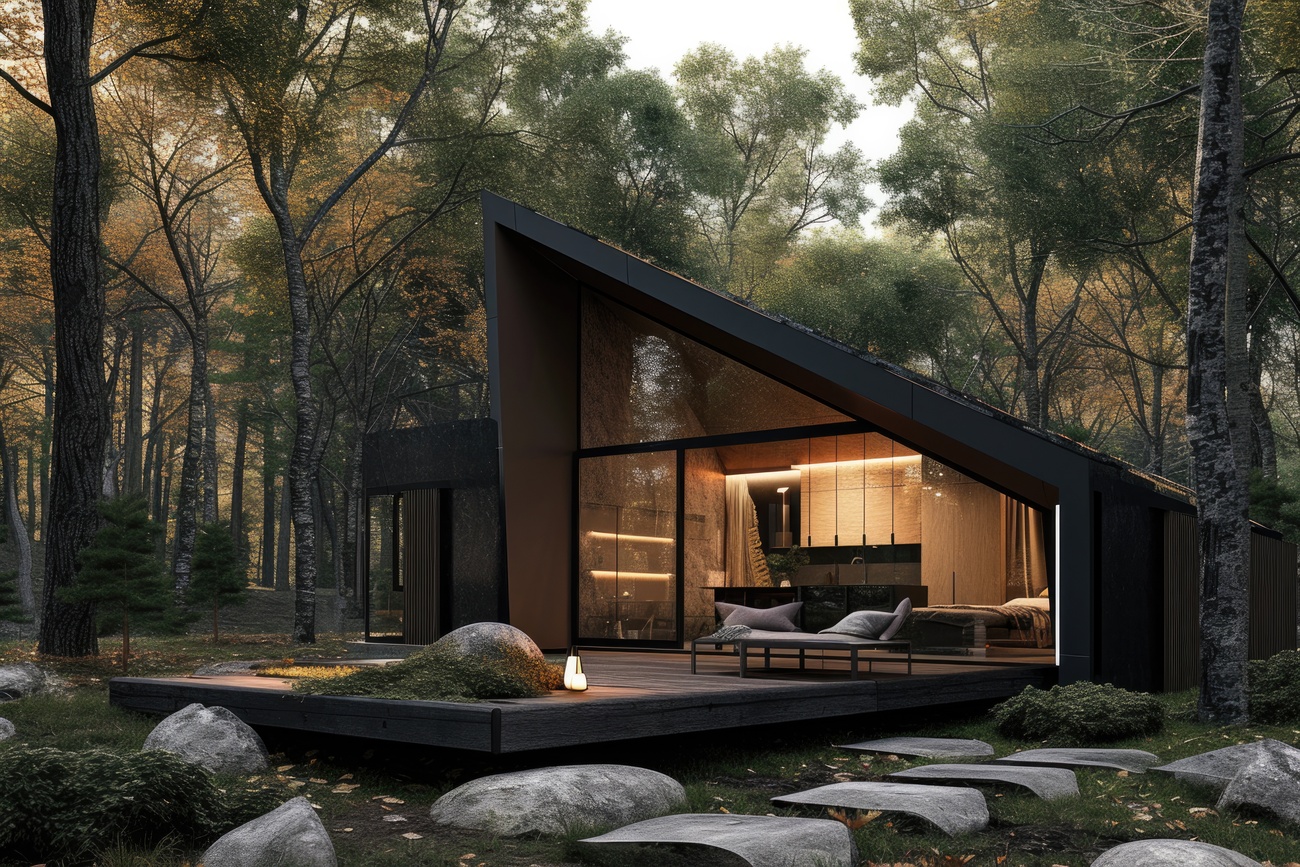
Date: April 03, 2026
In recent years, the housing market has undergone significant transformation, giving rise to innovative models that respond to shifting economic realities and lifestyle preferences. One of the most notable developments is the “Build-to-Rent” (BTR) trend a housing concept where properties are ...
Date: March 21, 2026
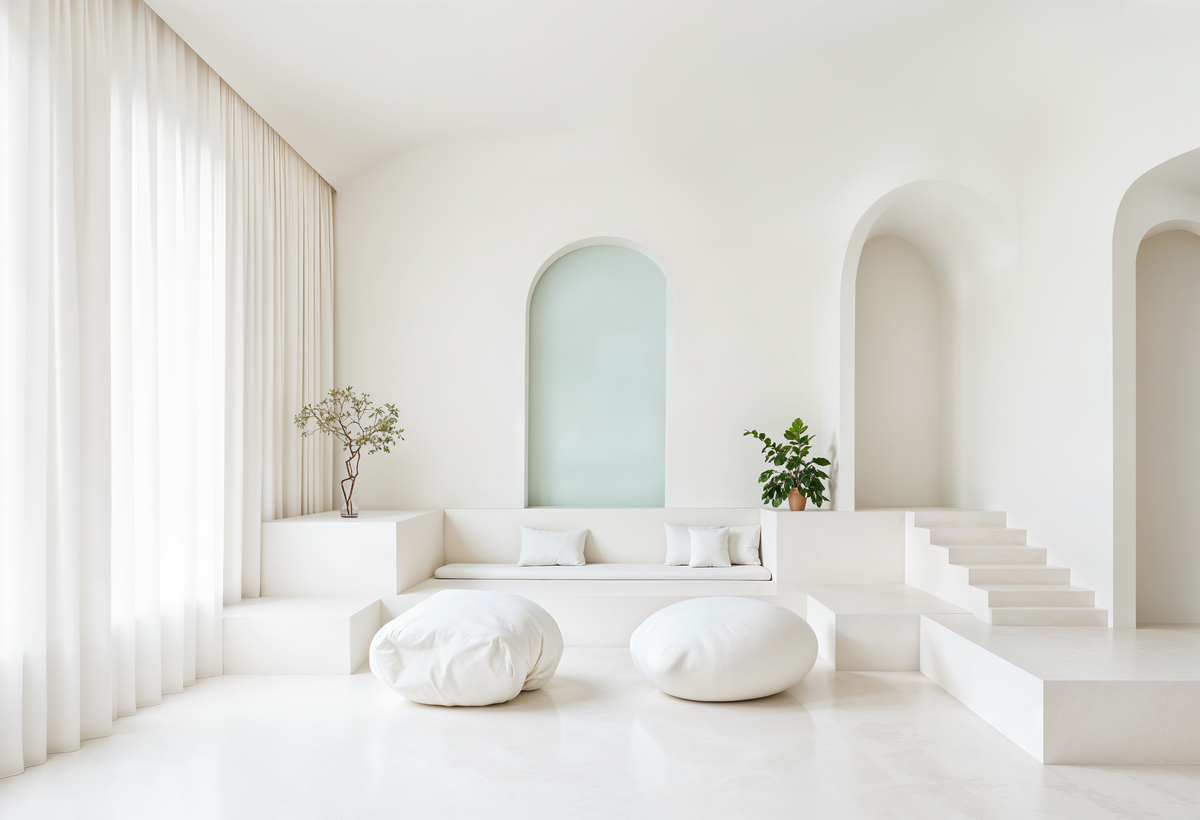
Choosing the right paint color can dramatically change how a house looks and feels. Even with simple furniture and décor, the right color palette can make a home appear elegant, luxurious, and high-end. Many interior designers agree that certain colors have a natural ability to create a sophisticat ...
Date: March 22, 2026
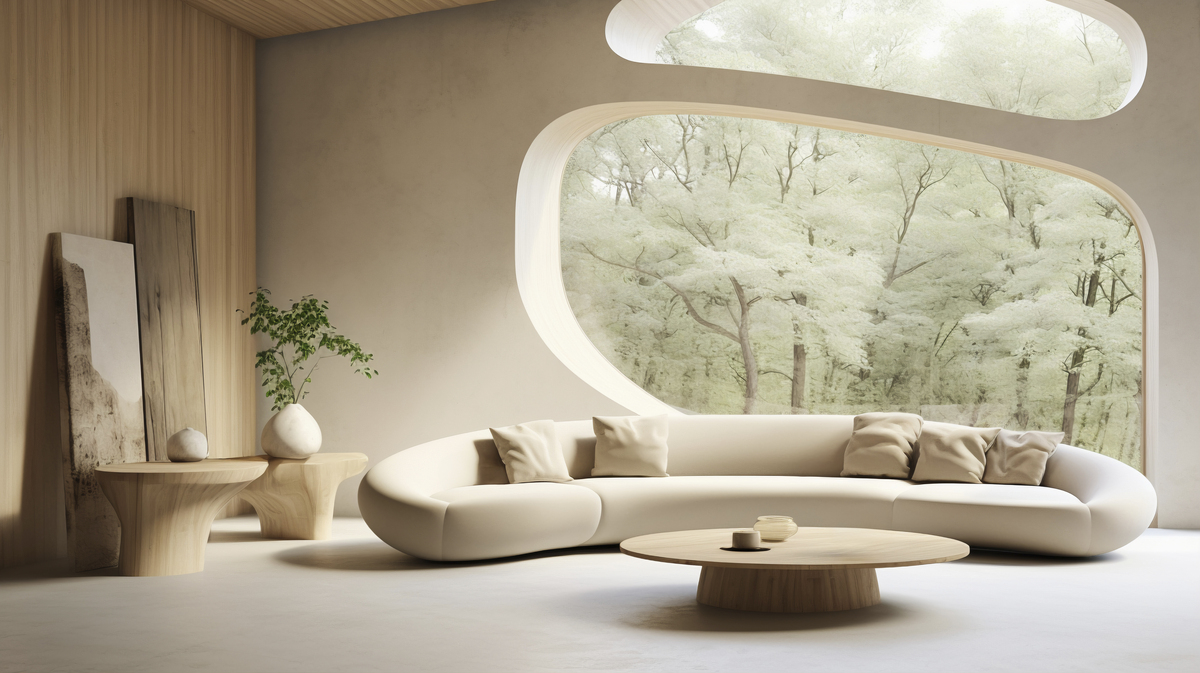
A minimalist living room is all about simplicity, functionality, and elegance. By focusing on clean lines, neutral colors, and carefully selected furniture, you can create a space that feels calm, modern, and comfortable. Minimalist design doesn’t mean empty or boring it means choosing items inten ...
Ala Land Bali — a magical place for the real you
BECOME PART OF THE HISTORY Share your contact details, and our manager will reach out
with full project details