


Choosing Flood and Earthquake Resistant Materials for Your Home
Building a home in an area prone to natural disasters requires more than just good design it demands smart material choices. Floods and earthquakes are two of the most common natural threats in many regions, especially in tropical and tectonically active countries. Selecting the right materials can significantly reduce damage, enhance safety, and prolong the life of your home.
1. Opt for Reinforced Concrete Structures
Reinforced concrete (RC) remains one of the most reliable materials for earthquake resistance. Its combination of concrete and steel reinforcement provides both strength and flexibility essential for absorbing seismic energy and preventing structural collapse. Make sure the steel reinforcements are properly placed and protected from corrosion, especially in humid or flood-prone areas.
2. Use Elevated Foundations and Flood-Resistant Materials
To protect your home from flooding, start from the ground up. Elevated foundations, such as raised concrete slabs or stilts, can help keep living areas above floodwater levels. For lower walls and flooring, use materials that can resist water absorption like ceramic tiles, concrete blocks, or treated hardwood. Avoid gypsum boards or untreated plywood, which can easily deteriorate when wet.
3. Choose Lightweight Roofing Systems
During an earthquake, heavy roofing materials can increase structural loads and risk of collapse. Instead, opt for lightweight materials such as metal roofing sheets, asphalt shingles, or fiber cement panels. These not only reduce seismic stress but are also easier to repair or replace after extreme weather events.
4. Install Water-Resistant Wall Finishes
Walls are often the first to be affected during flooding. Use water-resistant coatings like epoxy paint, waterproof cement plaster, or weather-sealed exterior finishes. These protect the structure from water seepage and mold growth, helping maintain indoor air quality.
5. Select Flexible and Durable Flooring
For floors, consider using vinyl, ceramic tiles, or polished concrete. These materials are both durable and easy to clean after flooding. In earthquake-prone areas, flexible floor systems can also help absorb vibrations without cracking.
6. Reinforce Openings and Joints
Windows and doors are weak points during disasters. Use shatter-resistant glass, strong aluminum frames, and waterproof seals. Structural joints should be designed to allow controlled movement preventing cracks during earthquakes while keeping the home watertight during floods.
7. Sustainable and Local Materials
Whenever possible, choose locally sourced materials designed for your specific climate and soil type. Many traditional materials like bamboo, engineered timber, or volcanic rock have natural flexibility and resilience that can perform well in seismic conditions when properly treated and engineered.
Building a flood and earthquake-resistant home isn’t just about safety it’s an investment in longevity and peace of mind. By combining smart material choices with proper structural design, homeowners can create spaces that not only withstand nature’s challenges but also remain comfortable and sustainable for years to come.

Date: April 01, 2026
In recent years, the way people live, work, and interact within their homes has undergone a significant transformation. Driven by technological advancements, remote work trends, and evolving family dynamics, the concept of a home is no longer limited to a place for rest. Today, homes are expected to ...
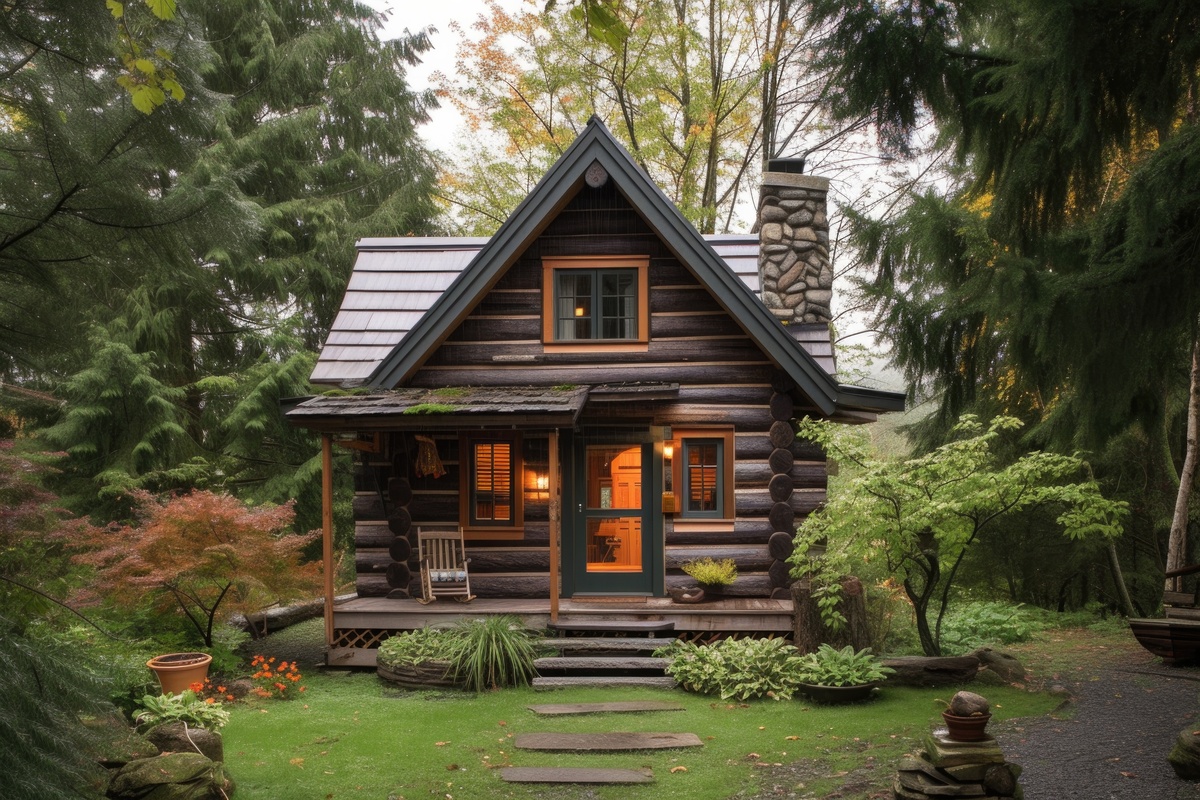
Date: April 02, 2026
In recent years, a noticeable shift has occurred in the way people design and inhabit their living spaces. Across cities and even suburban areas, homes are becoming smaller. This trend, often referred to as compact living, reflects changing economic realities, evolving lifestyles, and growing enviro ...

Date: April 03, 2026
In recent years, the housing market has undergone significant transformation, giving rise to innovative models that respond to shifting economic realities and lifestyle preferences. One of the most notable developments is the “Build-to-Rent” (BTR) trend a housing concept where properties are ...
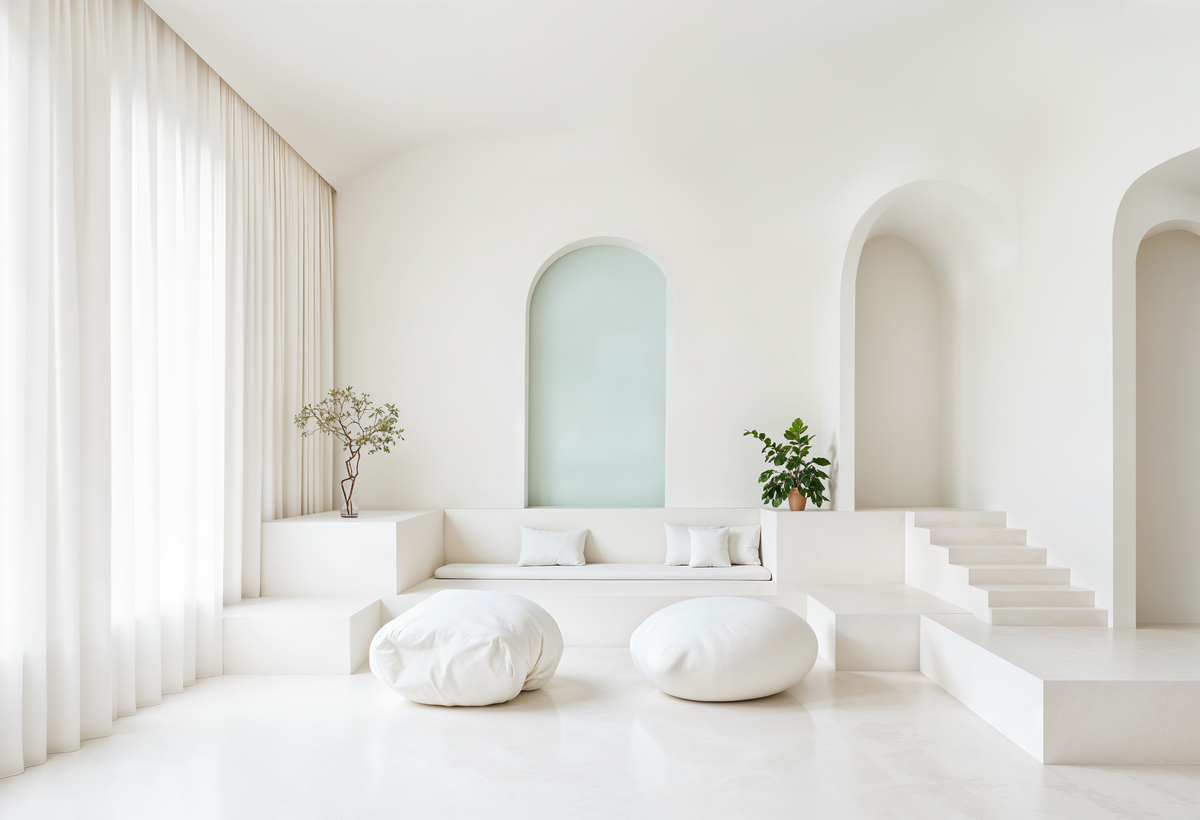
Date: March 21, 2026
Choosing the right paint color can dramatically change how a house looks and feels. Even with simple furniture and décor, the right color palette can make a home appear elegant, luxurious, and high-end. Many interior designers agree that certain colors have a natural ability to create a sophisticat ...

Date: March 22, 2026
A minimalist living room is all about simplicity, functionality, and elegance. By focusing on clean lines, neutral colors, and carefully selected furniture, you can create a space that feels calm, modern, and comfortable. Minimalist design doesn’t mean empty or boring it means choosing items inten ...
Ala Land Bali — a magical place for the real you
BECOME PART OF THE HISTORY Share your contact details, and our manager will reach out
with full project details