

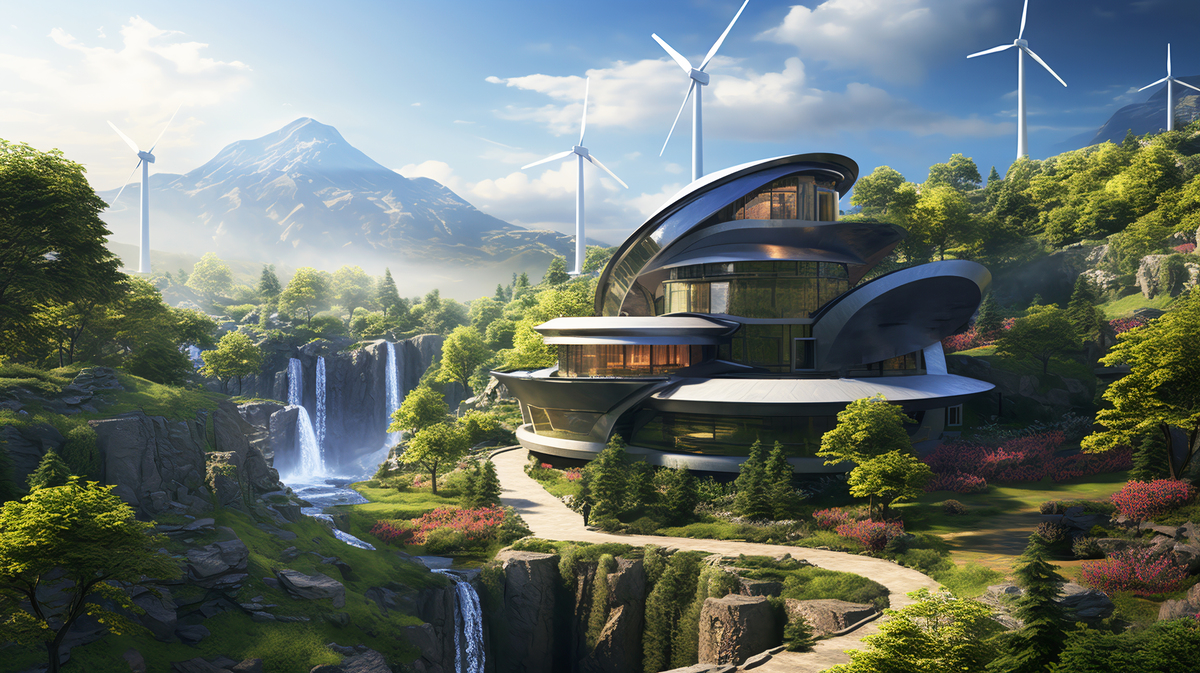
Net-Zero Energy Housing: From Dream to Necessity
For decades, net-zero energy housing (NZEH) was seen as an ambitious ideal an architectural experiment reserved for environmental enthusiasts and innovation showcases. Today, it is no longer just a dream. It has become a necessity driven by climate urgency, rising energy costs, and evolving expectations of sustainable living.
A net-zero energy home is designed to produce as much energy as it consumes over a year, typically through a combination of energy-efficient design and renewable energy systems such as solar panels, wind micro-turbines, or geothermal heating. The concept promises more than reduced electricity bills; it offers resilience, environmental responsibility, and long-term economic value.
The Shift from Vision to Demand
The world is facing accelerating climate change, with the building sector contributing nearly 40% of global carbon emissions when construction and operational energy use are combined. Traditional housing relies heavily on fossil-fuel-based electricity grids, inefficient insulation, and wasteful consumption patterns. As governments and industries push toward carbon-neutral targets, homes must follow the same trajectory.
What was once optional sustainability has now transformed into a critical response strategy. Extreme weather events, unpredictable grid stability, and increasing energy tariffs have made self-sustaining homes highly attractive not only environmentally, but practically.
Design Principles that Make It Possible
Achieving net-zero energy performance begins long before renewable technology is installed. It starts with smart architectural planning:
Passive design strategies: maximizing natural daylight and ventilation to reduce dependency on artificial lighting and air conditioning.
High-performance insulation: minimizing energy loss through walls, roofs, and windows.
Energy-efficient appliances: using low-power systems for daily home functions.
Smart energy management: integrating sensors and automation to optimize consumption.
Renewable systems then bridge the gap, most commonly through rooftop solar photovoltaic (PV) panels, supported by energy storage batteries to maintain supply beyond daylight hours.
Benefits Beyond Energy Savings
Net-zero energy homes provide:
Lower long-term operational costs – insulation and self-generated energy dramatically reduce bills.
Reduced carbon footprint – supporting global climate mitigation.
Energy independence – shielding households from fluctuating energy prices.
Improved indoor comfort – stable temperatures and cleaner air circulation.
Higher property value – sustainability certifications increasingly influence market prices.
Challenges That Must Be Overcome
Despite its promise, NZEH adoption still faces obstacles:
High initial investment for renewable systems and premium materials.
Lack of skilled professionals trained in net-zero building standards.
Limited incentives in some regions.
Public perception barriers, where sustainability is still mistaken as luxury rather than essential infrastructure. However, these challenges are steadily being addressed through declining solar technology costs, emerging green financing, and policy support in many countries. The Future is Inevitable
As global energy consumption rises and climate pressure intensifies, homes that generate their own energy will become the new baseline, not the exception. NZEH symbolizes a transformation in how society views housing from a consumer of energy to an active producer, and from a contributor to environmental damage to a solution provider. Net-zero energy housing has evolved from a visionary aspiration into a modern imperative. The question is no longer “Is it possible?”, but rather, “How soon can we build it everywhere?”
Date: April 01, 2026
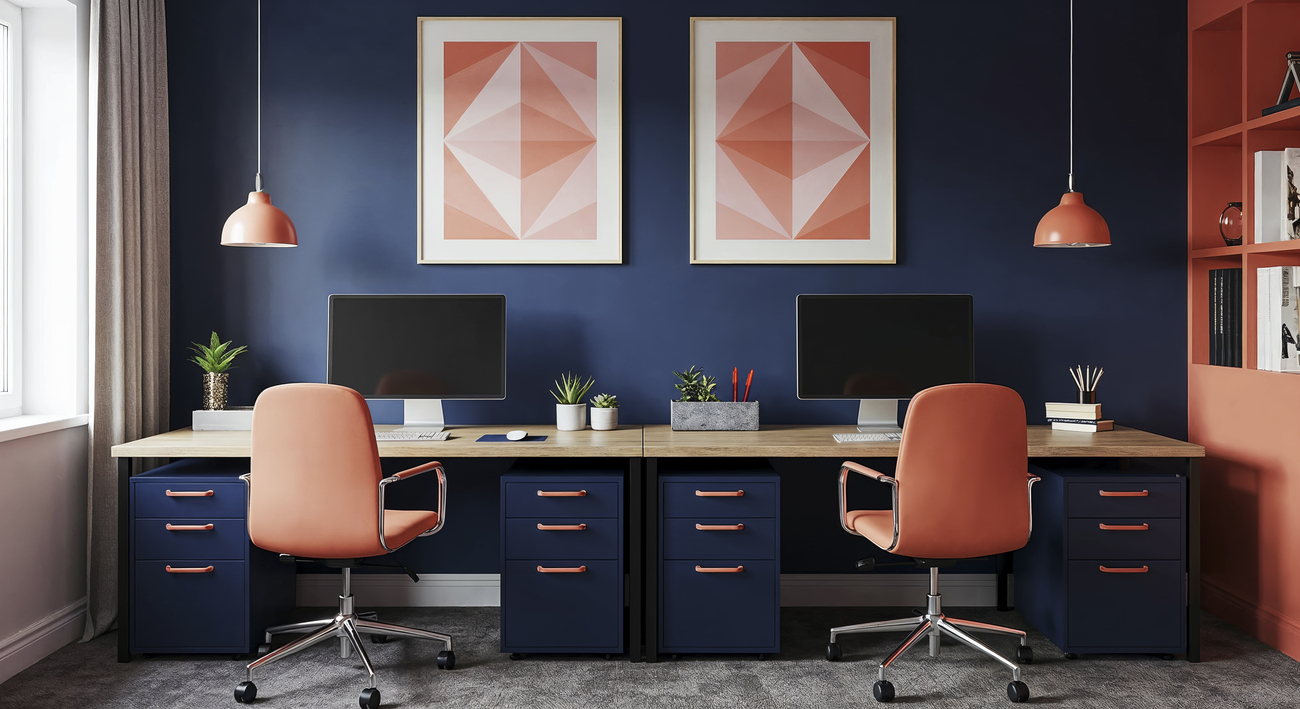
In recent years, the way people live, work, and interact within their homes has undergone a significant transformation. Driven by technological advancements, remote work trends, and evolving family dynamics, the concept of a home is no longer limited to a place for rest. Today, homes are expected to ...
Date: April 02, 2026
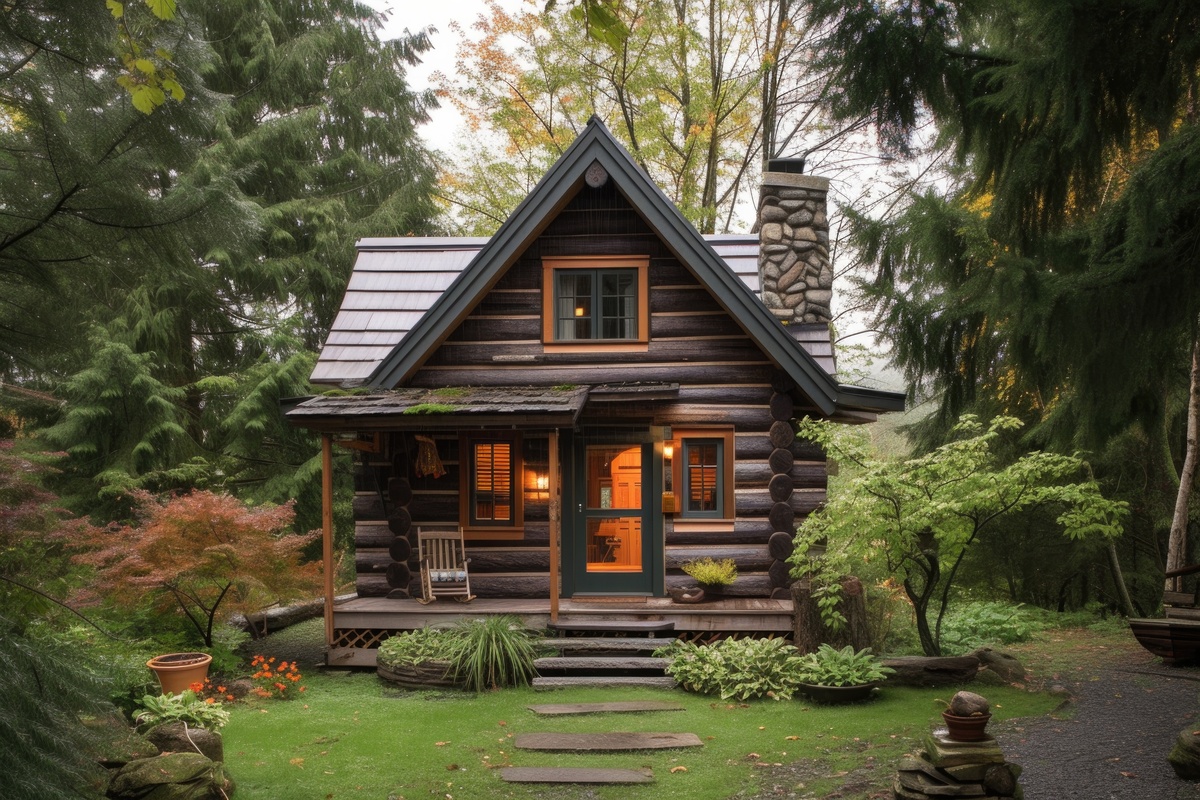
In recent years, a noticeable shift has occurred in the way people design and inhabit their living spaces. Across cities and even suburban areas, homes are becoming smaller. This trend, often referred to as compact living, reflects changing economic realities, evolving lifestyles, and growing enviro ...
Date: April 03, 2026
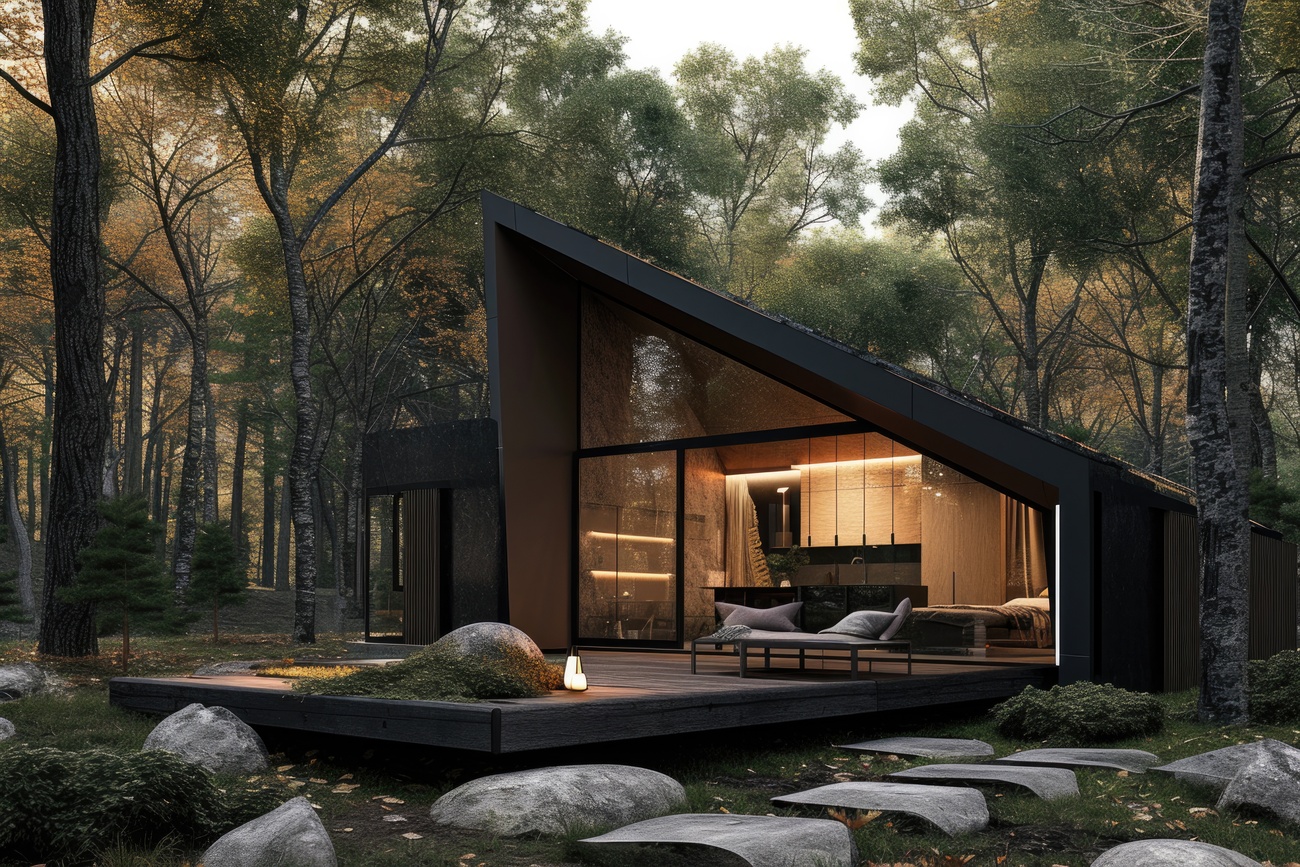
In recent years, the housing market has undergone significant transformation, giving rise to innovative models that respond to shifting economic realities and lifestyle preferences. One of the most notable developments is the “Build-to-Rent” (BTR) trend a housing concept where properties are ...
Date: March 21, 2026
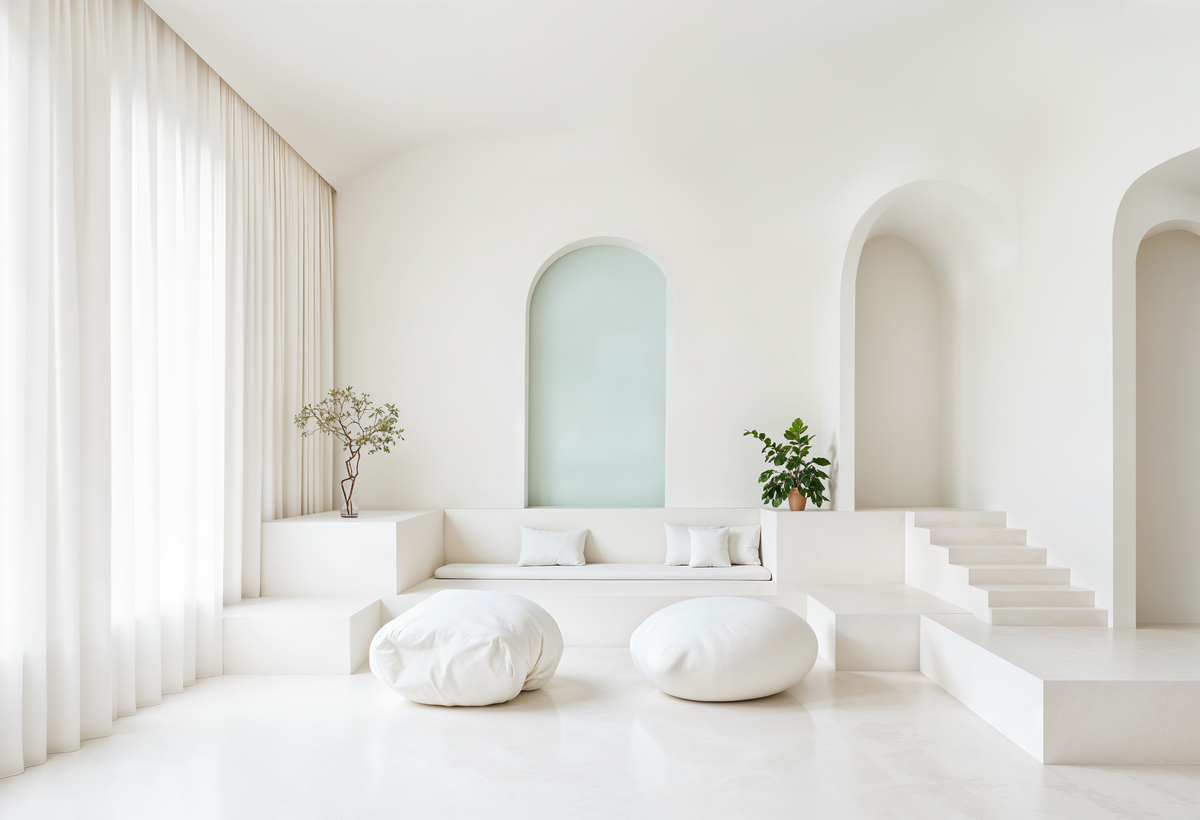
Choosing the right paint color can dramatically change how a house looks and feels. Even with simple furniture and décor, the right color palette can make a home appear elegant, luxurious, and high-end. Many interior designers agree that certain colors have a natural ability to create a sophisticat ...
Date: March 22, 2026
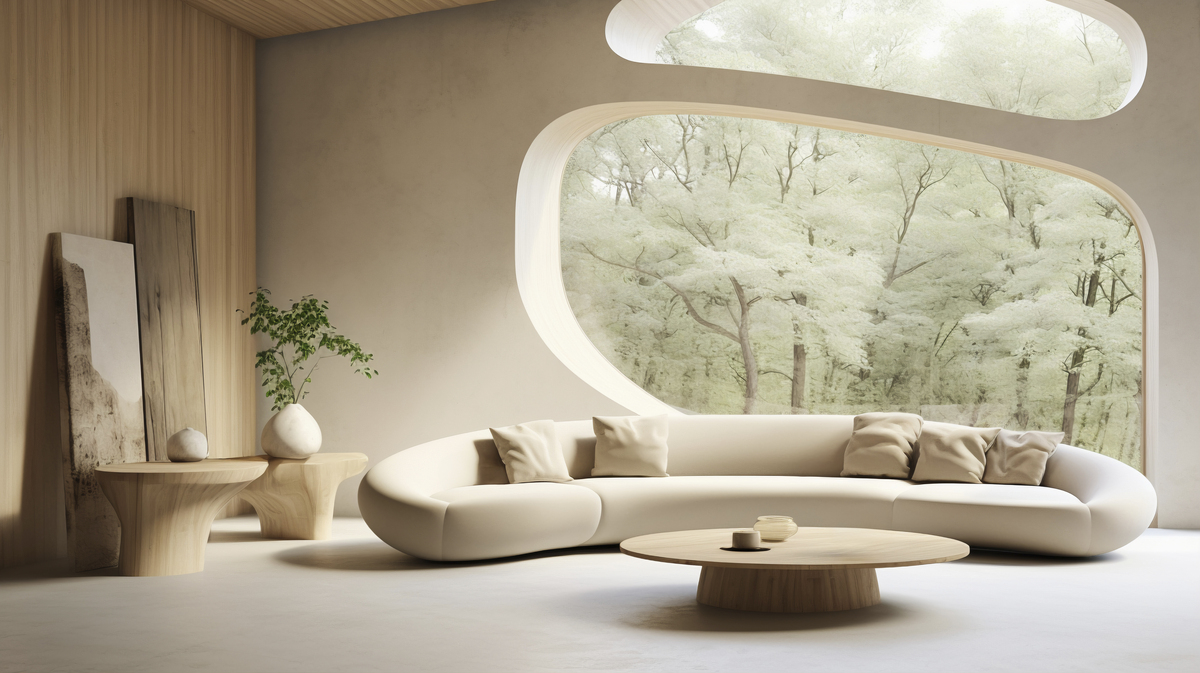
A minimalist living room is all about simplicity, functionality, and elegance. By focusing on clean lines, neutral colors, and carefully selected furniture, you can create a space that feels calm, modern, and comfortable. Minimalist design doesn’t mean empty or boring it means choosing items inten ...
Ala Land Bali — a magical place for the real you
BECOME PART OF THE HISTORY Share your contact details, and our manager will reach out
with full project details