
The Changing Dynamics of Office & Physical Workspaces in 2026
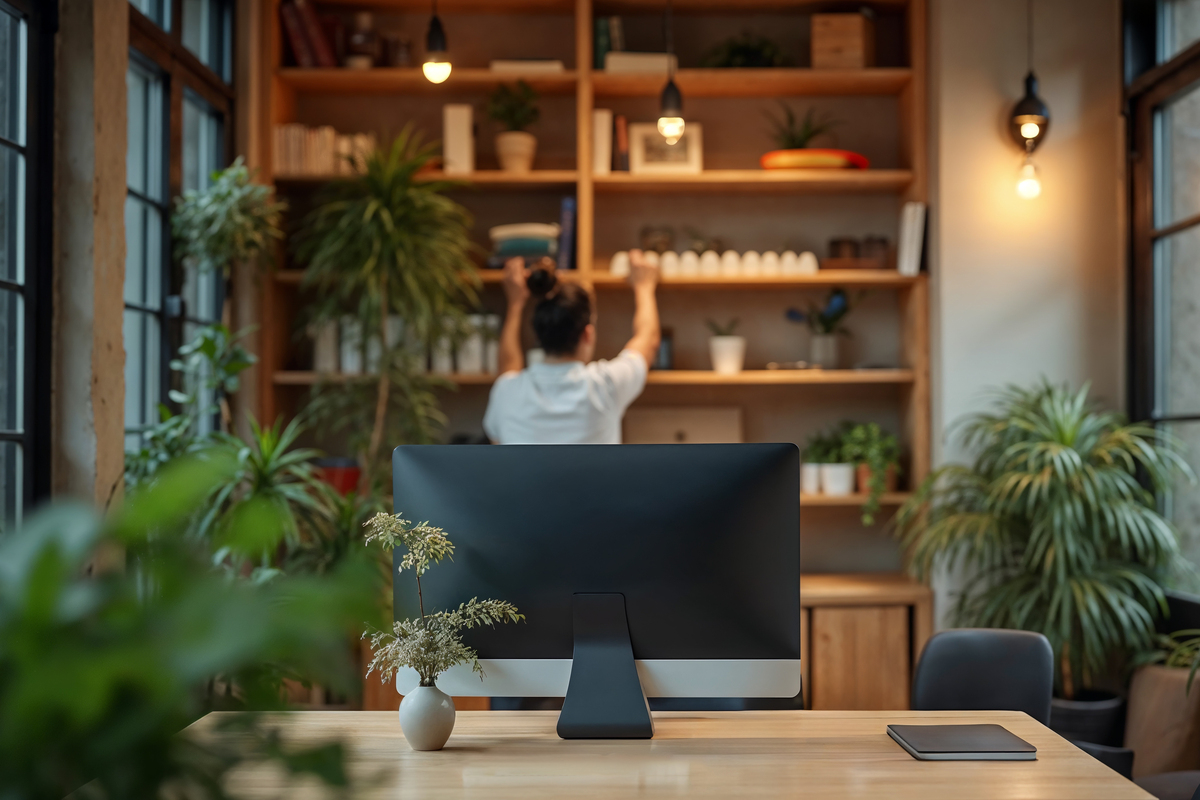
As we step into 2026, the physical office is no longer the static hub of traditional work it has transformed into a flexible, purposeful, and experience-driven environment. The way companies think about physical space is evolving alongside work expectations, technology, employee wellbeing, and broader economic forces.
1. Hybrid Work Has Become the Baseline
Hybrid work is no longer a temporary experiment or a perk. It is the standard operating model for most organizations in 2026. Employees now split their work between home, office, client sites, and even third-places like cafés or shared work hubs. Instead of treating hybrid as informal flexibility, organizations actively plan attendance and design spaces around predictable patterns of use. This shift forces workplaces to operate more like dynamic systems than fixed facilities, with real-time visibility into space utilization and adaptive layouts that change daily.
2. The Office as a Destination, not a Default
Employees increasingly view the office as a place for collaboration, culture, and connection not just for individual tasks they could do at home. Offices are evolving into destinations that justify the commute: Spaces for teamwork and ideation instead of rows of desks, Lounge and breakout areas designed for casual interactions, Hospitality-inspired zones with café vibes and comfortable seating. Such environments help organization foster social capital, spontaneous creativity, and a sense of belonging.
3. Design That Improves Wellbeing and Inclusivity
Well-being, health, and inclusive design have jumped to the forefront. Companies recognize that physical wellbeing influences productivity, retention, and satisfaction. Offices in 2026 priority: A better air quality, natural light, and ergonomic furniture. Quiet focus pods alongside collaboration zones. Neuro-inclusive features that accommodate diverse sensory needs. This focus not only improves comfort but also reflects a more human-centric approach to workspace planning.
4. From Fixed Layouts to Flexible Space Systems
Gone are the days when office space was partitioned once and forgotten for years. 2026 offices are modular, adaptable, and usage-driven: Movable walls and acoustic partitions, Agile furniture on wheels that supports multiple modes of work, Real-time adjustments based on analytics from sensors and occupancy data. This agility allows spaces to serve different needs throughout the day and helps companies optimize every square meter of real estate.
5. Suburban and Satellite Work Hubs Rise
With hybrid work decentralizing where work happens, companies are expanding beyond central business districts. Suburban work hubs and secondary city locations are growing in popularity, allowing employees to work closer to home and reduce commuting friction. This trend also helps Organizations retain talent and reduce traditional office costs.
6. Technology Integrates Seamlessly with Physical Space
Technology in the modern office goes beyond Wi-Fi and laptops. In 2026: Offices use integrated booking systems, smart meeting tools, and hybrid meeting infrastructure. Occupancy sensors and IoT data feed decisions about space usage. AI supports everyday tasks, freeing employees for strategic and creative work. Smart workplaces are no longer optional—they’re essential for competitiveness.
7. Sustainability and ESG Are Non-Negotiable
Environmental, Social & Governance (ESG) considerations increasingly shape workplace decisions. Sustainable offices feature: Energy-efficient buildings and low-carbon fit-outs, Eco-friendly materials and modular designs that reduce waste, Workspaces that minimizes the environmental impact of underused long-term leases. Climate-conscious companies are demanding measurable sustainability performance from their landlords and operators.
8. New Workplace Conflicts: Control Over Time
Interestingly, the workplace debate in 2026 has shifted from remote vs. office to control over time. Employees now seek autonomy not just in where they work, but when they work, reflecting deeper changes in expectations around work–life integration. Employers that accommodate this flexibility are better positioned to attract and retain talent.
In 2026, physical workspaces are far more than buildings full of desks. They are: Adaptive ecosystems that support hybrid rhythms, Destinations for collaboration, culture, and wellbeing, Places driven by technology, sustainability, and human experience. Companies that succeed will be those that rethink space for purpose, flexibility, and people not just for occupancy.
Date: April 01, 2026
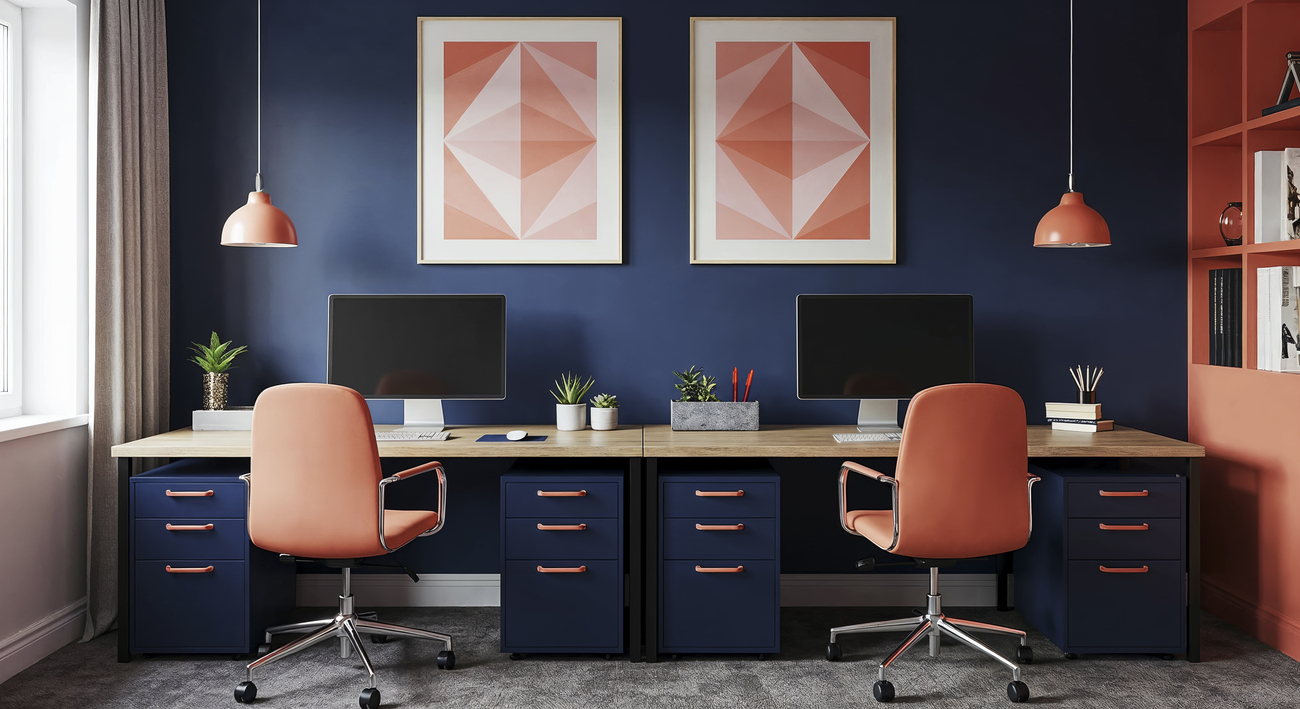
In recent years, the way people live, work, and interact within their homes has undergone a significant transformation. Driven by technological advancements, remote work trends, and evolving family dynamics, the concept of a home is no longer limited to a place for rest. Today, homes are expected to ...
Date: April 02, 2026
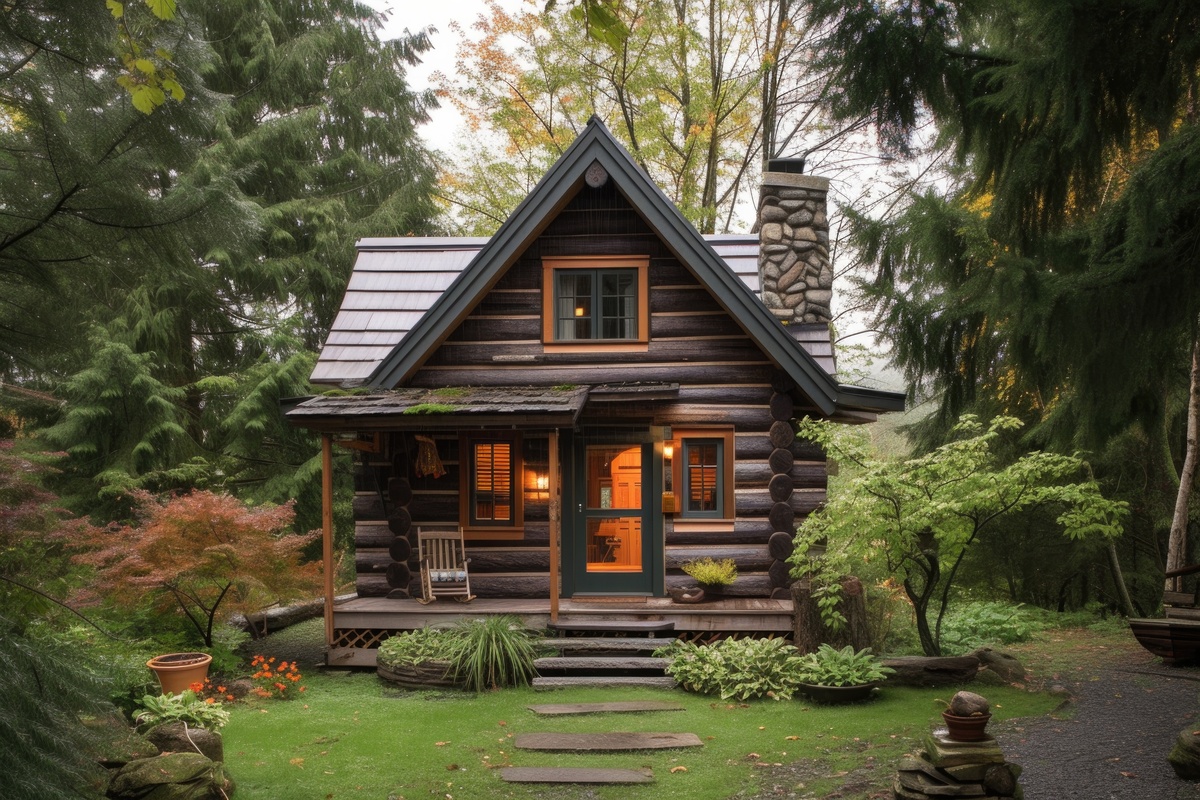
In recent years, a noticeable shift has occurred in the way people design and inhabit their living spaces. Across cities and even suburban areas, homes are becoming smaller. This trend, often referred to as compact living, reflects changing economic realities, evolving lifestyles, and growing enviro ...
Date: April 03, 2026
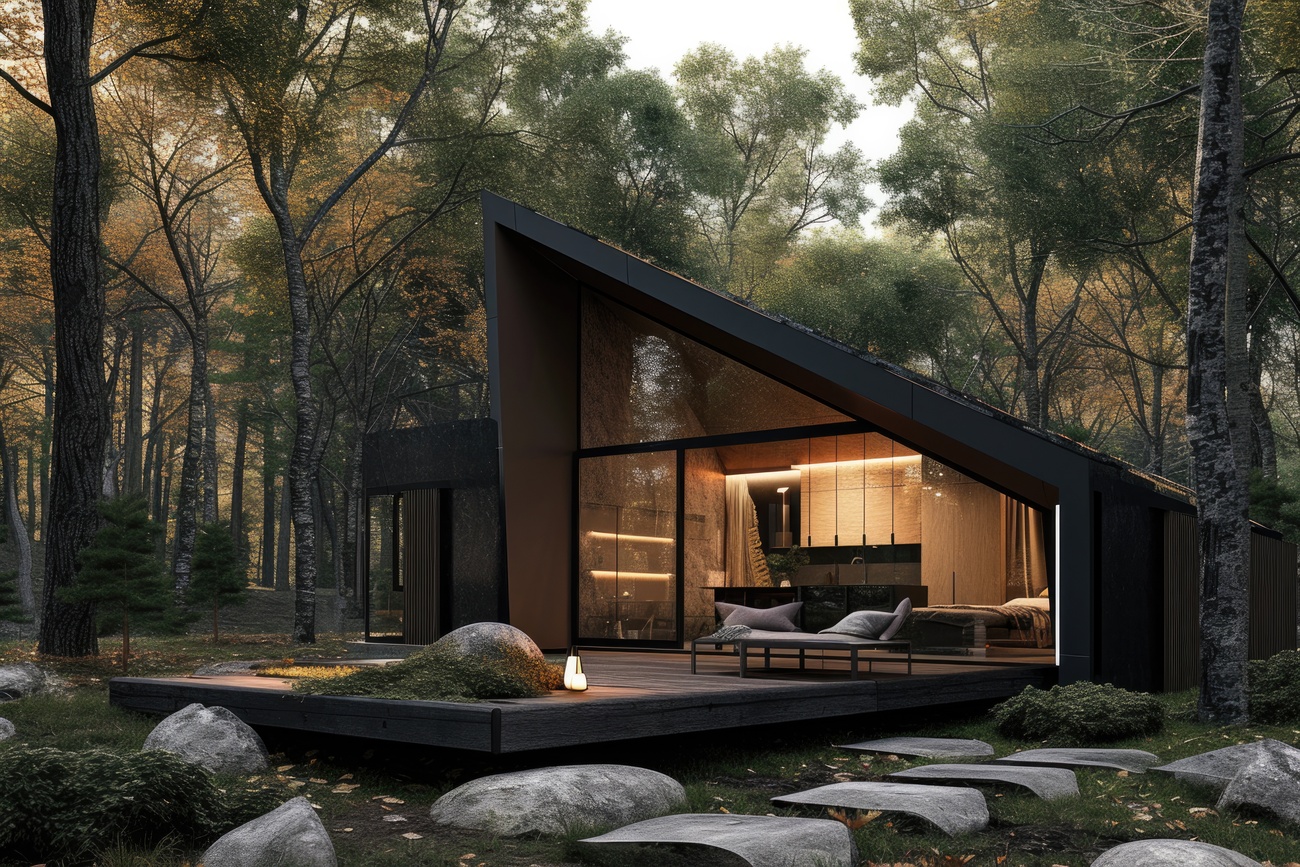
In recent years, the housing market has undergone significant transformation, giving rise to innovative models that respond to shifting economic realities and lifestyle preferences. One of the most notable developments is the “Build-to-Rent” (BTR) trend a housing concept where properties are ...
Date: March 21, 2026
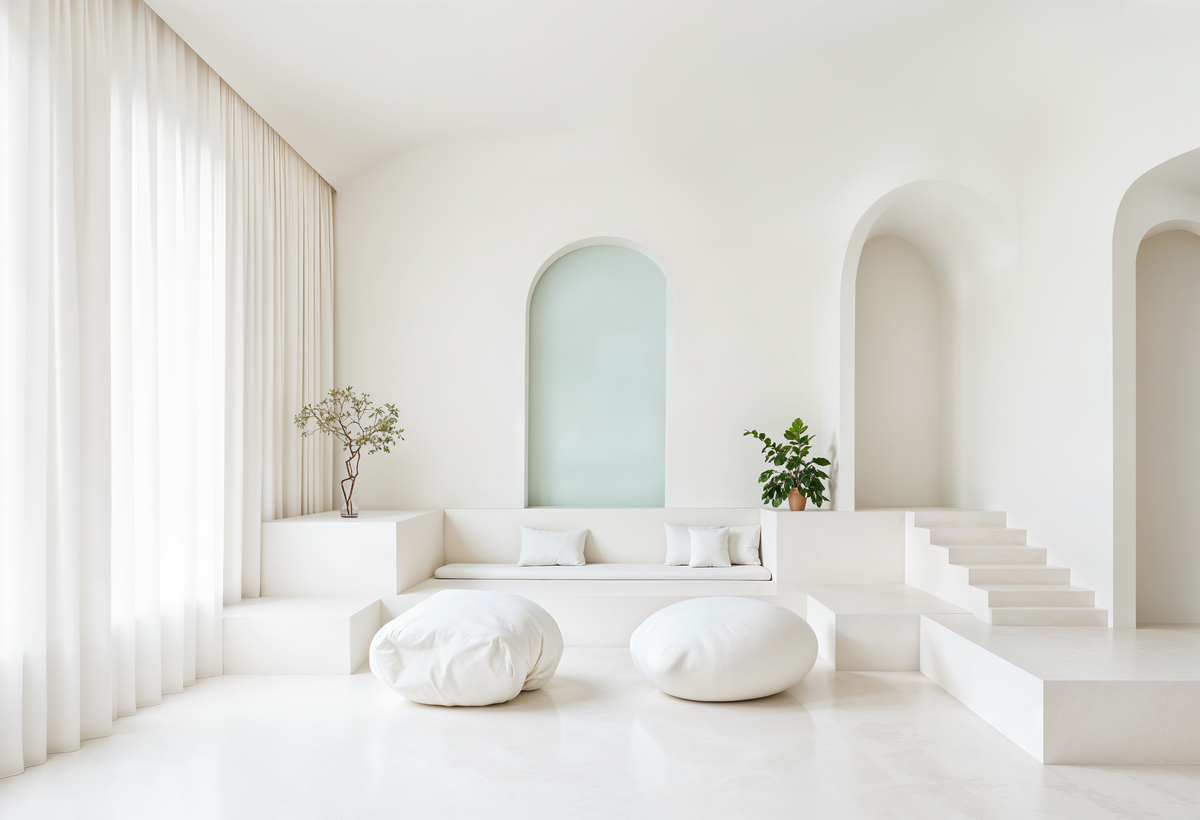
Choosing the right paint color can dramatically change how a house looks and feels. Even with simple furniture and décor, the right color palette can make a home appear elegant, luxurious, and high-end. Many interior designers agree that certain colors have a natural ability to create a sophisticat ...
Date: March 22, 2026
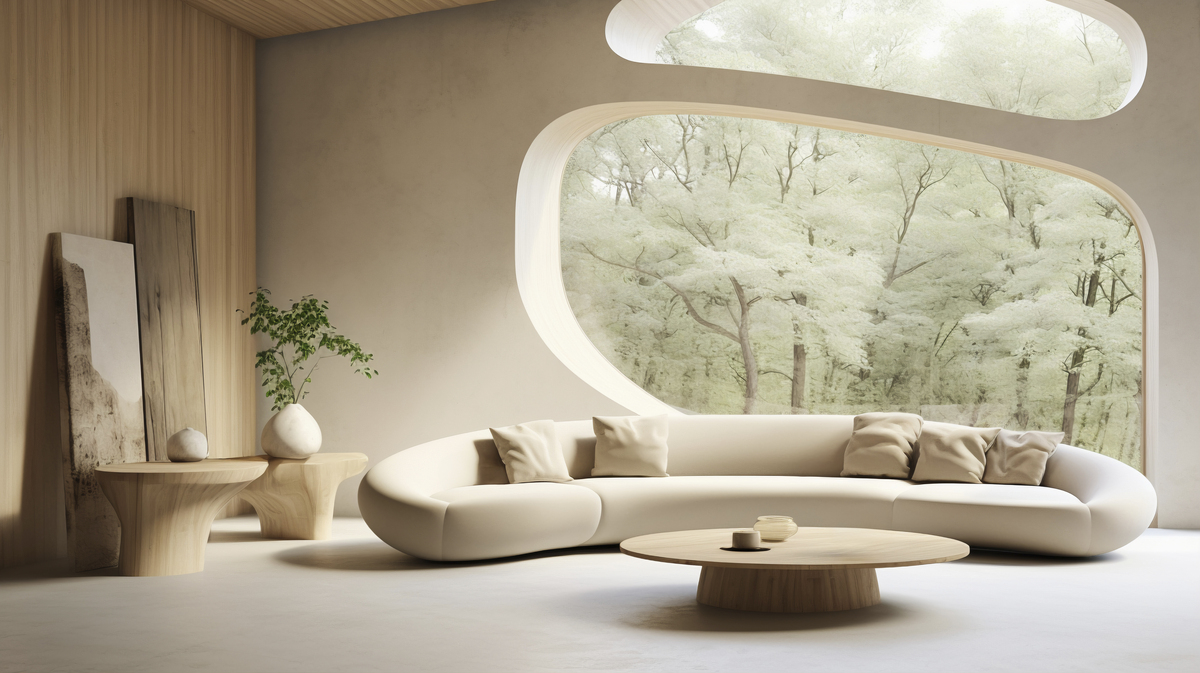
A minimalist living room is all about simplicity, functionality, and elegance. By focusing on clean lines, neutral colors, and carefully selected furniture, you can create a space that feels calm, modern, and comfortable. Minimalist design doesn’t mean empty or boring it means choosing items inten ...
Ala Land Bali — a magical place for the real you
BECOME PART OF THE HISTORY Share your contact details, and our manager will reach out
with full project details