


The Evolving Landscape of the Property Industry
The property industry has undergone significant transformations over the past few decades. What once was dominated by traditional practices of brick-and-mortar estate agencies and paper-based transactions has evolved into a dynamic, technology-driven sector shaped by changing consumer demands, economic forces, and global trends. As we move further into the 21st century, the convergence of technology, sustainability, and shifting demographics is reshaping how properties are developed, marketed, bought, and managed.
1. Technological Disruption: From Listing to Closing
One of the most profound forces reshaping the property industry is technology. Digital platforms have revolutionized how properties are marketed and searched. Online listing portals, virtual tours, and augmented reality (AR) walkthroughs allow prospective buyers to explore homes from anywhere in the world.
Moreover, artificial intelligence (AI) and big data analytics are transforming how real estate professionals assess market trends, price properties, and predict future demand. Predictive tools help investors identify high-growth locations, while algorithm-driven valuation models offer more accurate pricing insights. Blockchain technology and smart contracts are also gaining traction by offering secure, transparent, and efficient transaction processes, which reduce the need for intermediaries and lower transaction costs.
2. The Rise of Prop Tech
Property Technology, or prop tech, has emerged as a powerful force within the industry. Prop Tech startups are challenging traditional models with innovative solutions, from digital mortgage platforms to AI-powered property management systems. These technologies are enhancing customer experience and operational efficiency. For instance, digital platforms simplify rental management by automating rent collection and maintenance requests, while AI chatbots provide instant customer service.
3. Sustainability and Green Building
Environmental consciousness has become integral to property development. Governments, investors, and consumers are increasingly prioritizing sustainability in building design and operations. Green buildings that emphasize energy efficiency, renewable energy use, and reduced carbon footprints are not only eco-friendly but also increasingly attractive to tenants and buyers. Certifications like LEED (Leadership in Energy and Environmental Design) and EDGE (Excellence in Design for Greater Efficiencies) have become standard benchmarks in the industry. Moreover, ESG (Environmental, Social, and Governance) criteria are now key considerations for many investors, influencing where and how capital is deployed.
4. The Impact of Remote Work on Demand
The COVID-19 pandemic accelerated the adoption of remote and hybrid work models, fundamentally changing residential and commercial property demand. In the residential sector, many buyers are now seeking larger homes with dedicated office spaces and proximity to nature, moving away from crowded urban cores. This shift has fueled demand in suburban and rural markets. Conversely, the commercial sector has experienced fluctuating demand for office space. Companies are reevaluating office footprints as flexible work arrangements persist, leading to increased interest in coworking spaces and mixed-use developments.
5. Affordability Challenges
Despite technological advances and evolving preferences, affordability remains a significant challenge globally. In many cities, housing prices have outpaced wage growth, making homeownership increasingly difficult for first-time buyers. To address this, governments and developers are exploring creative solutions, such as modular construction to reduce building costs, inclusionary zoning policies that require affordable units in new developments, and community land trusts that preserve long-term affordability.
6. Global Capital Flows and Investment Trends
Real estate has long been a favored asset class for global investors. Cross-border capital continues to shape property markets, driven by investors seeking portfolio diversification and stable returns. Emerging markets, in particular, are attracting attention due to urbanization and economic growth. However, geopolitical tensions and regulatory changes—such as tighter foreign ownership rules—can influence investment flows and require investors to be more strategic in their decisions.
7. The Future Outlook
Looking ahead, the property industry is expected to continue evolving in response to technological innovation, demographic shifts, and environmental imperatives. Key trends likely to shape the future include: smart cities with integrated, tech-enabled infrastructure, advanced data analytics guiding investment and development decisions, sustainable and resilient construction practices becoming the norm, flexible living and workspaces that adapt to evolving lifestyle needs.
Ultimately, the property industry’s ability to adapt to change will determine its resilience and success. Stakeholders whether developers, investors, policymakers, or consumers must navigate this evolving landscape with a blend of innovation, foresight, and a commitment to sustainability and inclusivity.

Date: April 01, 2026
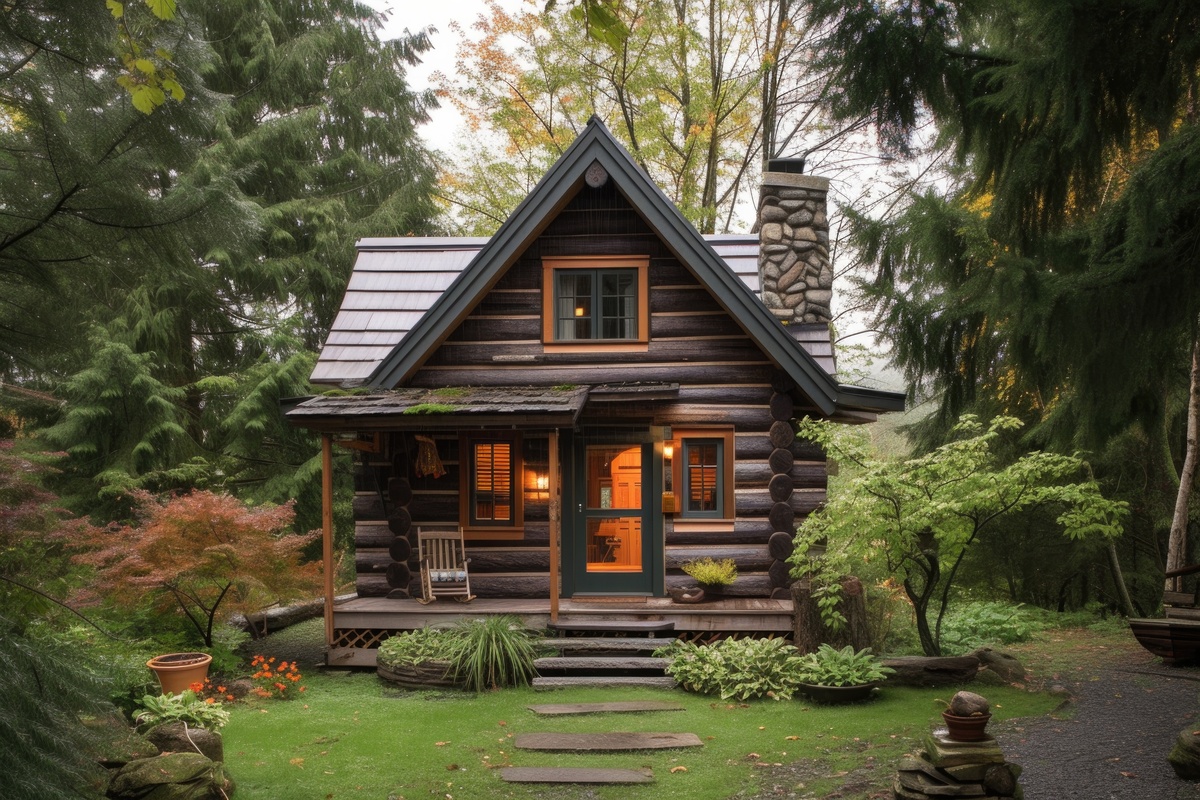
In recent years, the way people live, work, and interact within their homes has undergone a significant transformation. Driven by technological advancements, remote work trends, and evolving family dynamics, the concept of a home is no longer limited to a place for rest. Today, homes are expected to ...
Date: April 02, 2026
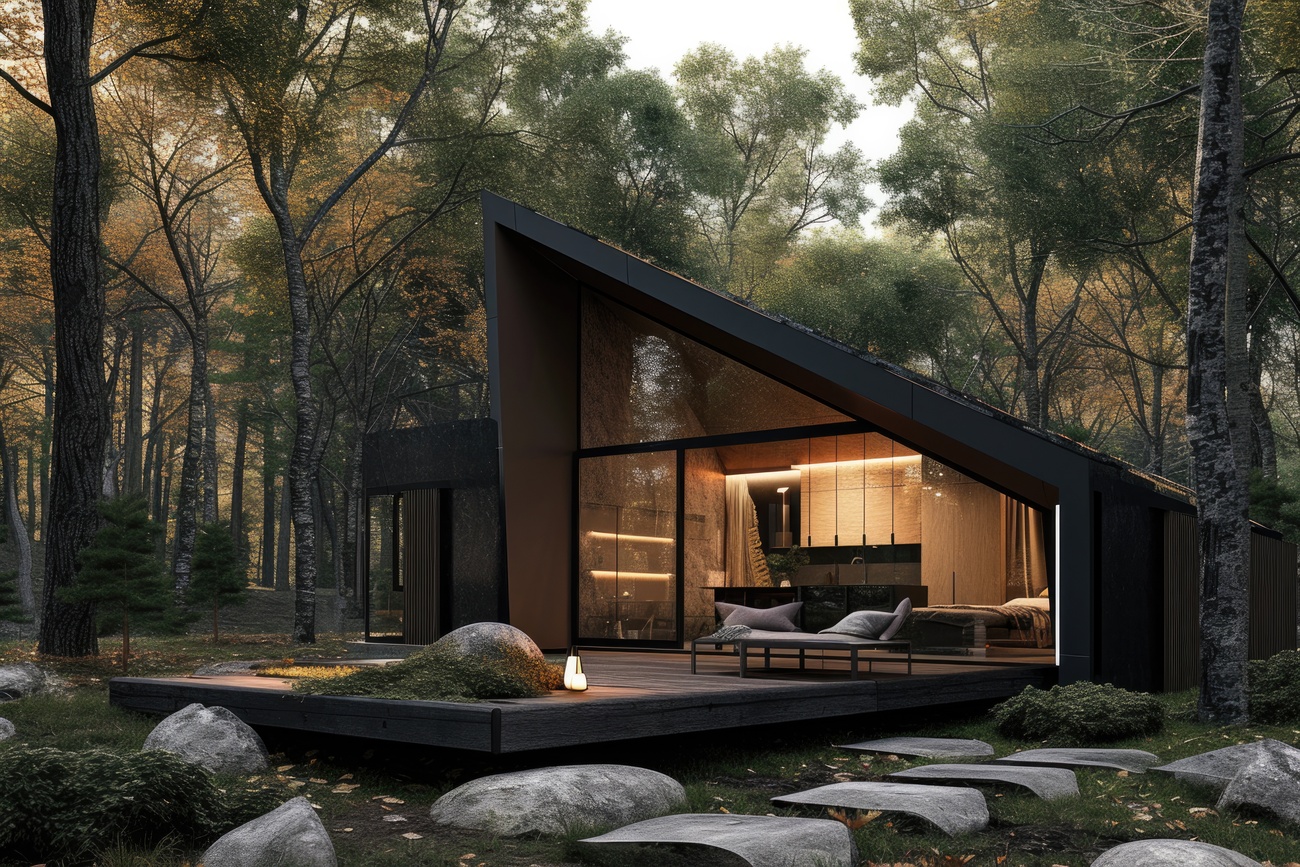
In recent years, a noticeable shift has occurred in the way people design and inhabit their living spaces. Across cities and even suburban areas, homes are becoming smaller. This trend, often referred to as compact living, reflects changing economic realities, evolving lifestyles, and growing enviro ...
Date: April 03, 2026
In recent years, the housing market has undergone significant transformation, giving rise to innovative models that respond to shifting economic realities and lifestyle preferences. One of the most notable developments is the “Build-to-Rent” (BTR) trend a housing concept where properties are ...

Date: March 21, 2026
Choosing the right paint color can dramatically change how a house looks and feels. Even with simple furniture and décor, the right color palette can make a home appear elegant, luxurious, and high-end. Many interior designers agree that certain colors have a natural ability to create a sophisticat ...

Date: March 22, 2026
A minimalist living room is all about simplicity, functionality, and elegance. By focusing on clean lines, neutral colors, and carefully selected furniture, you can create a space that feels calm, modern, and comfortable. Minimalist design doesn’t mean empty or boring it means choosing items inten ...
Ala Land Bali — a magical place for the real you
BECOME PART OF THE HISTORY Share your contact details, and our manager will reach out
with full project details