


Tips for Building a Fire-Resistant Home
Creating a fire-resistant home is not only a smart long-term investment but also an essential step in protecting your family and property. While no house can ever be completely fireproof, thoughtful design choices, materials, and preventive strategies can significantly reduce the risk of fire damage. Below are key tips to help you build a home that stands strong against fire hazards.
1. Choose Fire-Resistant Building Materials
The materials you use in construction play the biggest role in protecting your home from fire. Consider the following options:
Concrete: Highly durable and naturally fire-resistant.
Brick: Offers excellent fire protection and structural stability.
Steel framing: Less likely to ignite compared to wood.
Fire-rated glass: Prevents flames and heat from spreading between rooms.
2. Install Fire-Resistant Roofing
The roof is often the most vulnerable part of a home in a fire. Option for: metal roofing, clay or concrete tiles, asphalt shingles with class a fire rating. These materials can help prevent fire embers from igniting the roof.
3. Use Fireproof Insulation
Insulation materials such as fiberglass, mineral wool, or cellulose treated with fire retardants can slow down the spread of flames and provide more time for evacuation.
4. Plan Smart Exterior Design
The landscape around your home can either help stop or accelerate the spread of fire. Maintain a defensible space by keeping vegetation trimmed and away from the house. Use gravel or stone instead of mulch near the structure. Install metal mesh screens on vents to prevent embers from entering.
5. Install Automatic Fire Suppression Systems
To enhance protection, consider integrating: sprinkler systems, advanced smoke detectors, smart home fire monitoring devices. These systems can detect issues early and prevent small fires from becoming catastrophic.
6. Choose Fire-Resistant Windows and Doors
Heat-resistant tempered glass and fire-rated doors can prevent breakage during high heat and slow the spread of fire into the home.
7. Seal Gaps and Openings
Small gaps can allow ember to enter your home. Ensure all openings such as around doors, windows, and utility lines are properly sealed with fire-resistant materials.
8. Maintain Regular Safety Checks
Fire safety doesn’t end once construction is complete. Regular inspections are essential: test smoke detectors monthly, clean gutters to prevent buildup of dry leaves, service heating systems and electrical wiring
Building a fire-resistant home involves combining smart material choices, strong design principles, and ongoing maintenance. By taking these precautions, you can significantly reduce fire risks and create a safer environment for you and your family.
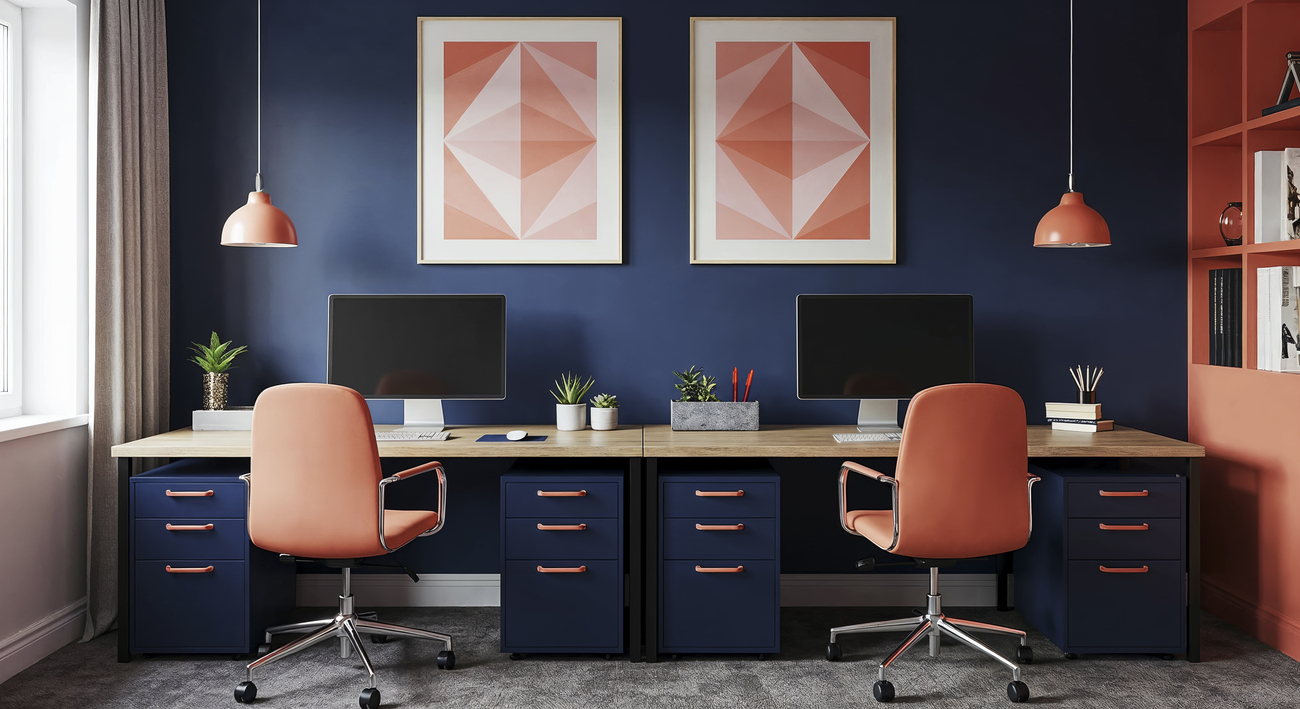
Date: April 01, 2026
In recent years, the way people live, work, and interact within their homes has undergone a significant transformation. Driven by technological advancements, remote work trends, and evolving family dynamics, the concept of a home is no longer limited to a place for rest. Today, homes are expected to ...
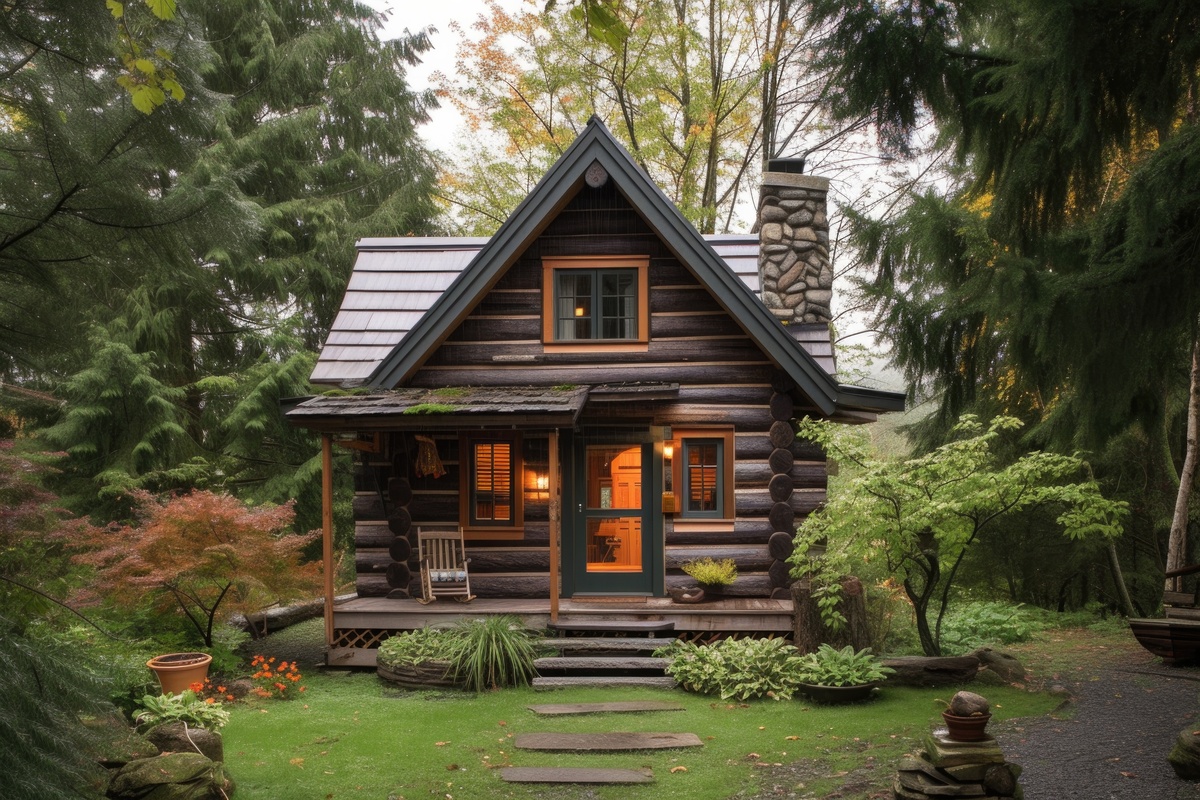
Date: April 02, 2026
In recent years, a noticeable shift has occurred in the way people design and inhabit their living spaces. Across cities and even suburban areas, homes are becoming smaller. This trend, often referred to as compact living, reflects changing economic realities, evolving lifestyles, and growing enviro ...
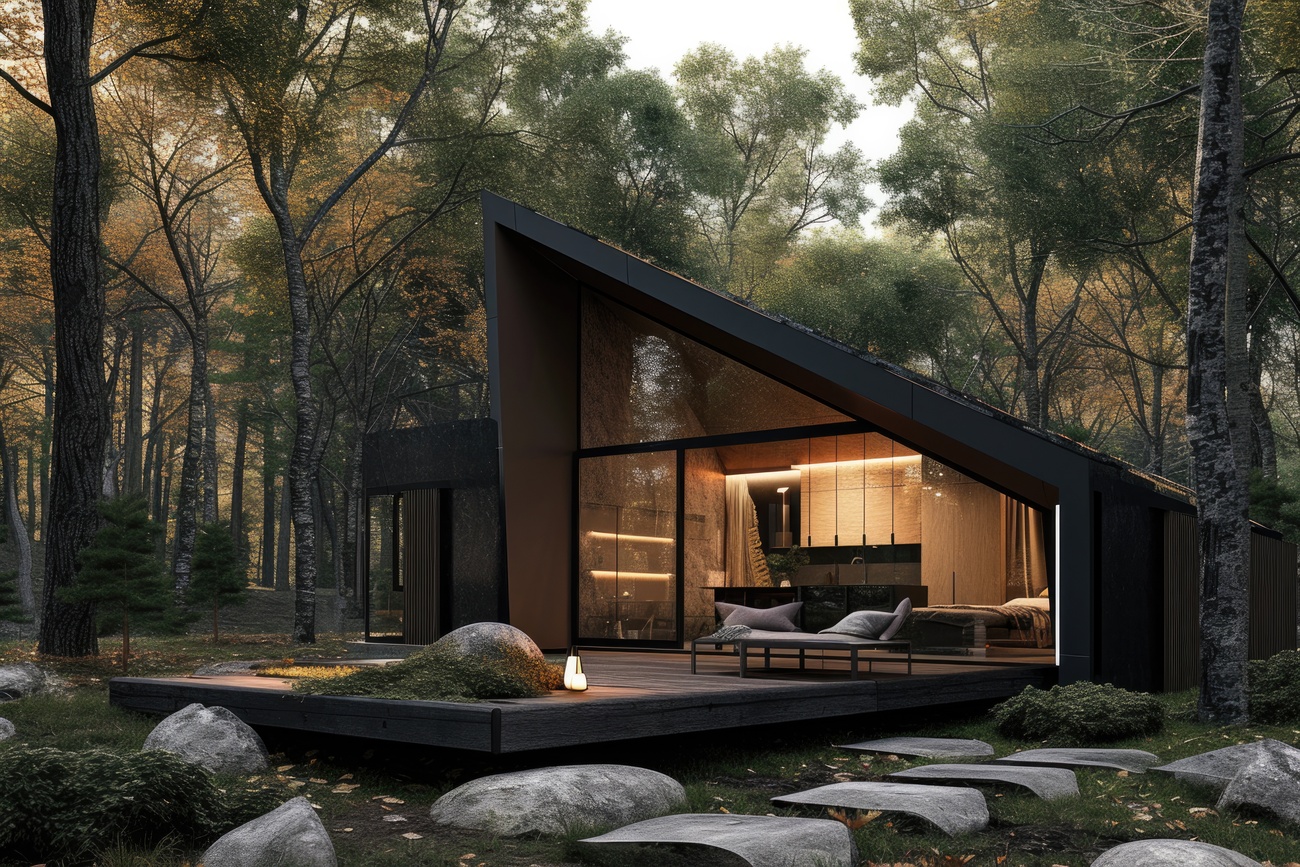
Date: April 03, 2026
In recent years, the housing market has undergone significant transformation, giving rise to innovative models that respond to shifting economic realities and lifestyle preferences. One of the most notable developments is the “Build-to-Rent” (BTR) trend a housing concept where properties are ...
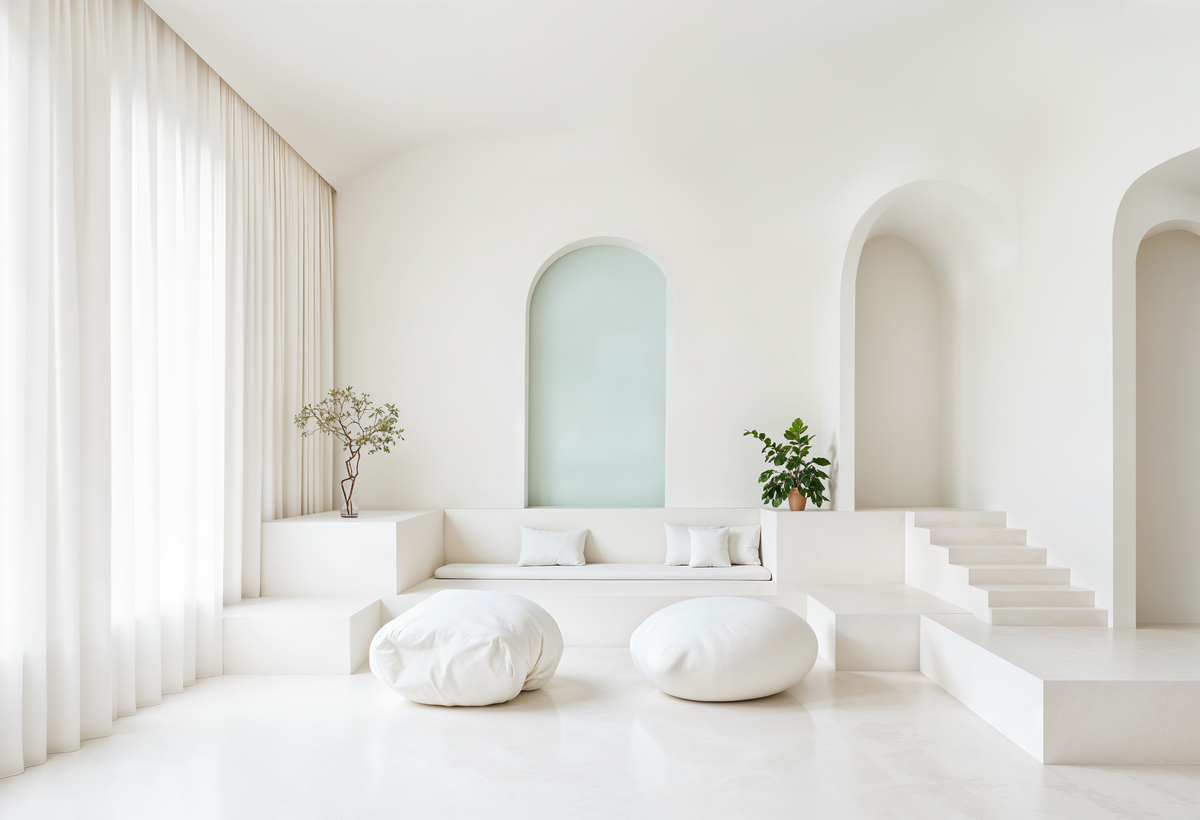
Date: March 21, 2026
Choosing the right paint color can dramatically change how a house looks and feels. Even with simple furniture and décor, the right color palette can make a home appear elegant, luxurious, and high-end. Many interior designers agree that certain colors have a natural ability to create a sophisticat ...
Date: March 22, 2026
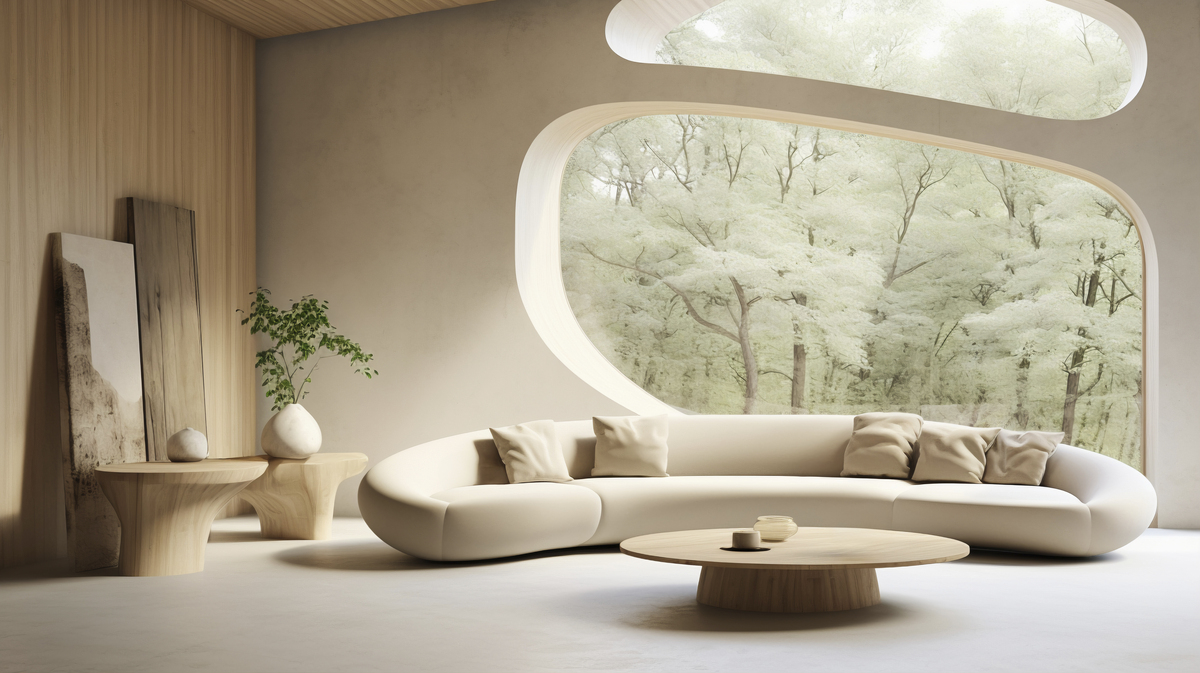
A minimalist living room is all about simplicity, functionality, and elegance. By focusing on clean lines, neutral colors, and carefully selected furniture, you can create a space that feels calm, modern, and comfortable. Minimalist design doesn’t mean empty or boring it means choosing items inten ...
Ala Land Bali — a magical place for the real you
BECOME PART OF THE HISTORY Share your contact details, and our manager will reach out
with full project details