

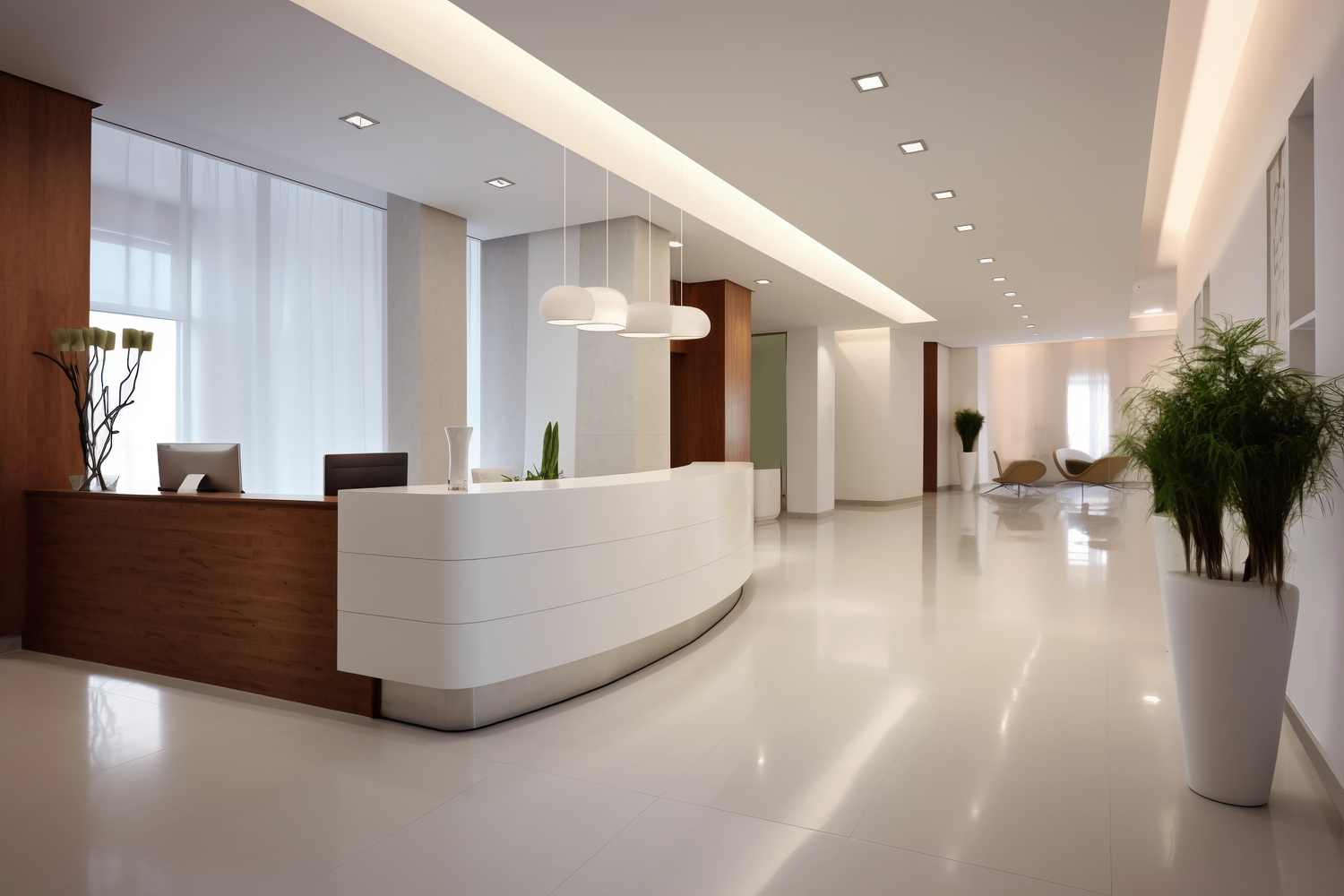
Tips for Building a hospital: Key Considerations for Success
Building a hospital is not just about constructing a physical structure—it is about creating a safe, efficient, and healing environment that supports both patients and medical professionals. Hospitals are highly complex facilities that require careful planning, design, and management to meet medical, technological, and community needs. Here are some essential tips for building a successful hospital:
1. Conduct Thorough Planning and Feasibility Studies
Before starting construction, it is crucial to perform feasibility studies, market analysis, and community assessments. These steps help determine the hospital’s size, location, and services based on population needs and healthcare demand. Proper planning ensures that the hospital will be both sustainable and beneficial to the community.
2. Choose the Right Location
Accessibility is one of the most important factors. The hospital should be located in an area that is easy to reach by road and public transportation. Proximity to residential areas, emergency routes, and supporting facilities such as pharmacies and laboratories should also be considered.
3. Focus on Patient-Centered Design
Hospital design should prioritize patient comfort and recovery. Natural lighting, good ventilation, noise control, and safe interior layouts can significantly improve patient experiences. In addition, clear signage and wayfinding systems make it easier for visitors and staff to navigate the facility.
4. Integrate Advanced Technology
Modern hospitals rely heavily on technology for diagnosis, treatment, and management. Incorporating telemedicine, electronic health records, and automated systems can improve efficiency and patient care. Designing the infrastructure to support future technological upgrades is equally important.
5. Ensure Compliance with Safety and Health Standards
Hospitals must follow strict safety regulations, including fire protection systems, infection control measures, and emergency evacuation plans. Designing specialized areas such as operating theaters, intensive care units, and isolation rooms with international healthcare standards in mind is critical.
6. Prioritize Sustainability and Energy Efficiency
Sustainable hospital design not only reduces environmental impact but also lowers long-term operational costs. Incorporating green building practices, energy-efficient systems, and water conservation methods can contribute to both financial and ecological benefits.
7. Collaborate with Experts
Building a hospital requires the collaboration of architects, engineers, medical planners, and healthcare professionals. Their combined expertise ensures that the design meets medical, technical, and regulatory requirements. Engaging stakeholders early in the process can prevent costly mistakes.
8. Plan for Scalability and Future Growth
Healthcare needs evolve over time, so hospitals should be designed with flexibility in mind. Allocating space for future expansion and incorporating modular building concepts can make it easier to adapt to changing demands.
Constructing a hospital is a long-term investment that goes beyond bricks and mortar. It requires balancing functionality, patient well-being, technology, and sustainability. By carefully planning and collaborating with experts, it is possible to build a hospital that not only serves today’s needs but also supports future generations.
Date: April 01, 2026
In recent years, the way people live, work, and interact within their homes has undergone a significant transformation. Driven by technological advancements, remote work trends, and evolving family dynamics, the concept of a home is no longer limited to a place for rest. Today, homes are expected to ...
Date: April 02, 2026
In recent years, a noticeable shift has occurred in the way people design and inhabit their living spaces. Across cities and even suburban areas, homes are becoming smaller. This trend, often referred to as compact living, reflects changing economic realities, evolving lifestyles, and growing enviro ...
Date: April 03, 2026
In recent years, the housing market has undergone significant transformation, giving rise to innovative models that respond to shifting economic realities and lifestyle preferences. One of the most notable developments is the “Build-to-Rent” (BTR) trend a housing concept where properties are ...
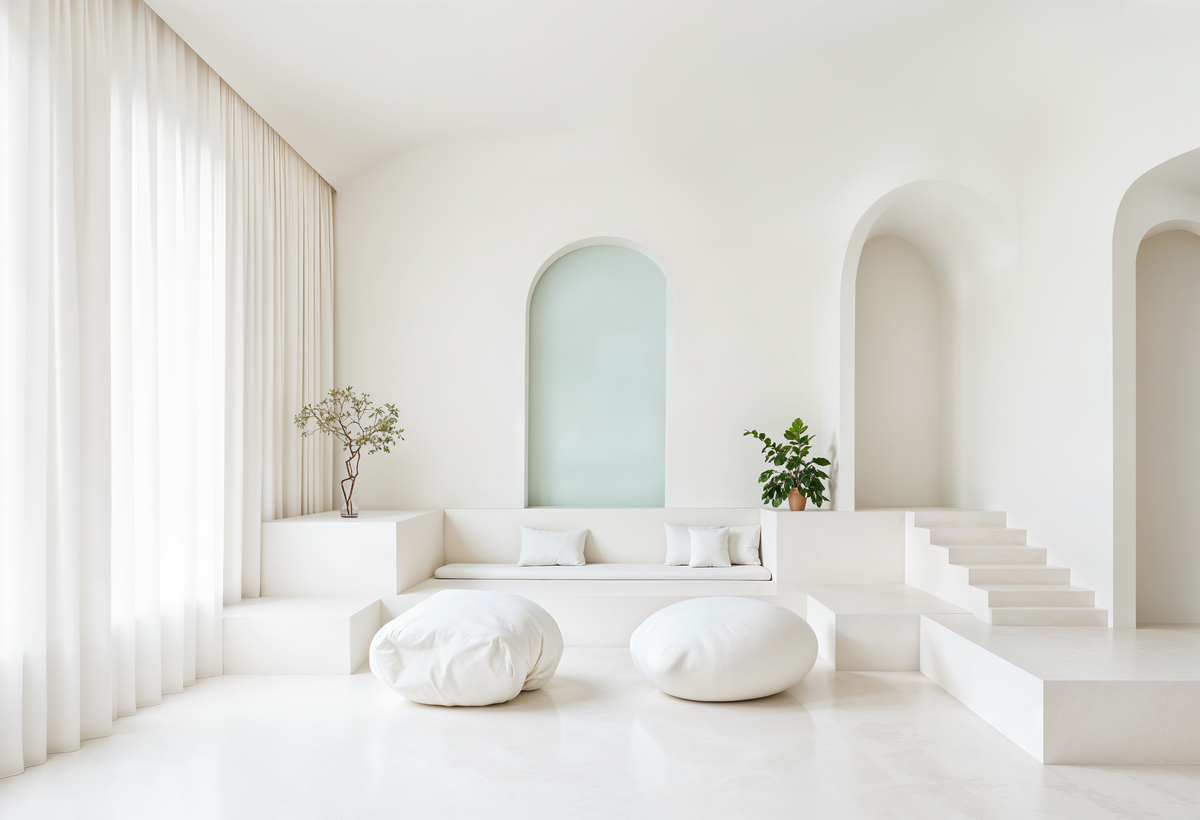
Date: March 21, 2026
Choosing the right paint color can dramatically change how a house looks and feels. Even with simple furniture and décor, the right color palette can make a home appear elegant, luxurious, and high-end. Many interior designers agree that certain colors have a natural ability to create a sophisticat ...
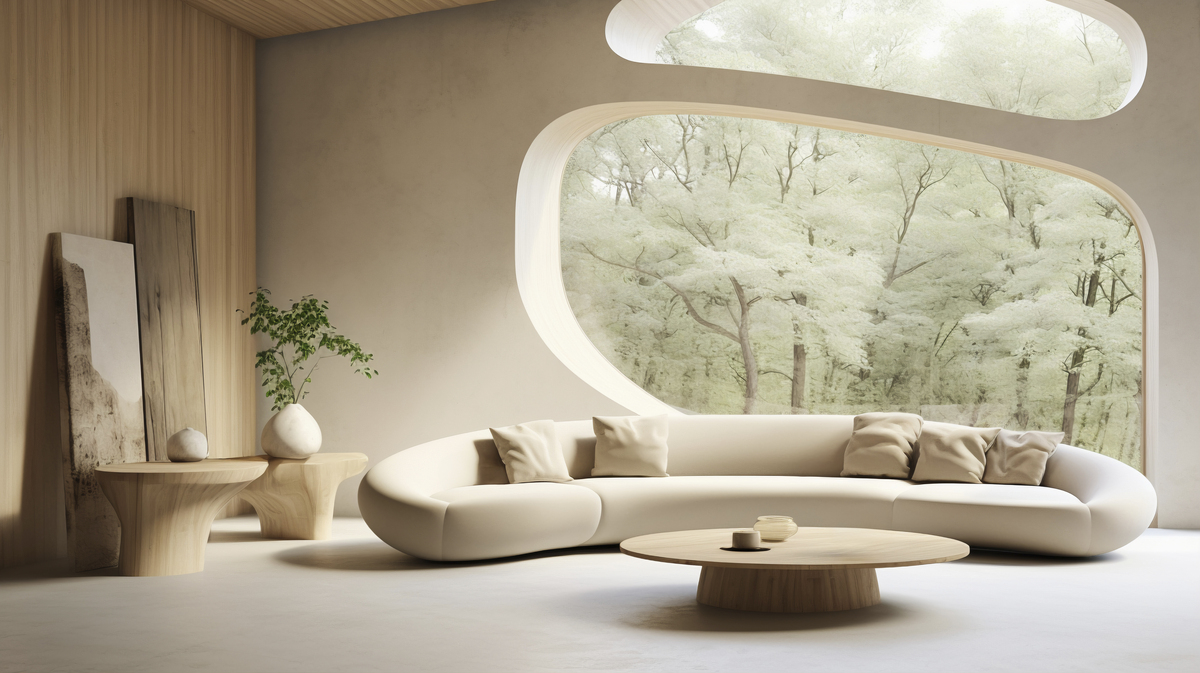
Date: March 22, 2026
A minimalist living room is all about simplicity, functionality, and elegance. By focusing on clean lines, neutral colors, and carefully selected furniture, you can create a space that feels calm, modern, and comfortable. Minimalist design doesn’t mean empty or boring it means choosing items inten ...
Ala Land Bali — a magical place for the real you
BECOME PART OF THE HISTORY Share your contact details, and our manager will reach out
with full project details